How to Evaluate Neighborhood Quality Before Buying Residential Property
Learn the key factors that determine long-term property appreciation and neighborhood stability.

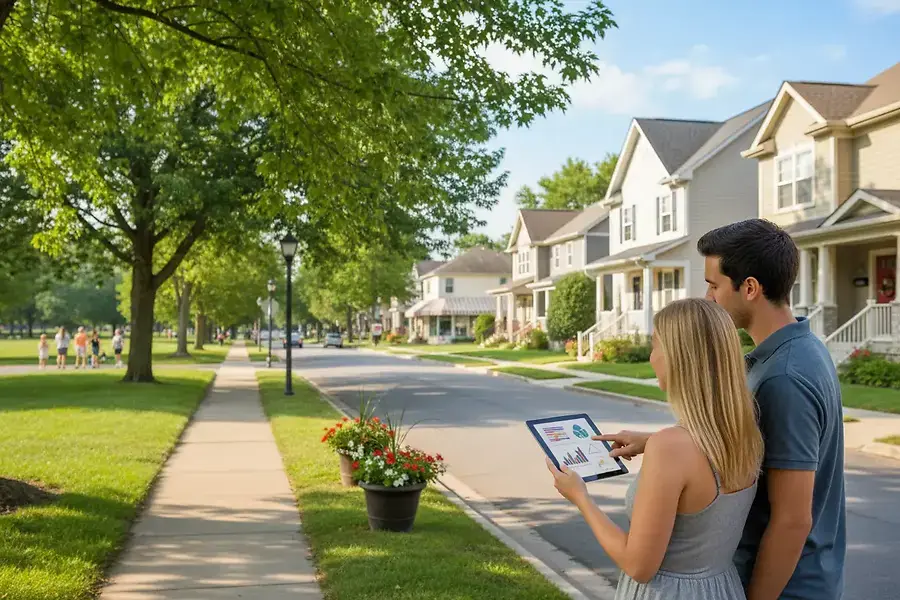
Why Neighborhood Research Matters for Home Buyers
Purchasing a home is one of the most significant financial decisions you'll make in your lifetime. While the property itself matters, the neighborhood surrounding it plays an equally crucial role in determining your investment's success and your overall satisfaction. A well-chosen neighborhood can lead to substantial property appreciation, while a declining area may result in stagnant or declining home values.
Before signing on the dotted line, savvy buyers invest time in thorough neighborhood research. This due diligence helps you understand not just what you're buying today, but what your investment will be worth tomorrow. Let's explore the key factors that separate thriving neighborhoods from those facing challenges.
Essential Factors for Evaluating Residential Neighborhoods
Safety and Crime Statistics
Safety is paramount when choosing where to live. Research local crime rates through public databases and law enforcement reports. Compare violent crime, property crime, and theft statistics across neighborhoods you're considering. Lower crime rates typically correlate with higher property values and better quality of life. Don't just look at numbers—visit the neighborhood at different times of day to get a feel for the community.
Schools and Educational Institutions
Even if you don't have children, school quality significantly impacts property values. Homes in areas with highly-rated schools command premium prices and appreciate faster. Research:
- School ratings and test scores
- Teacher-to-student ratios
- Graduation rates
- Proximity to quality educational institutions
Properties near excellent schools often see stronger demand and better resale potential.
Proximity to Amenities and Services
Convenient access to shopping, dining, healthcare, and entertainment adds significant value to a property. Evaluate the neighborhood's walkability and proximity to:
- Grocery stores and farmers markets
- Restaurants and cafes
- Parks and recreational facilities
- Medical facilities and hospitals
- Public transportation options
Neighborhoods with excellent walkability scores and diverse amenities attract more buyers and maintain stronger property values.
Community Demographics and Stability
Understanding the neighborhood's demographic composition helps you assess community stability. Look at:
- Population growth or decline trends
- Age distribution of residents
- Income levels and economic diversity
- Homeownership versus rental rates
Neighborhoods with stable or growing populations and high homeownership rates tend to be more stable investments.
Infrastructure and Development Plans
Future development can dramatically impact neighborhood character and property values. Research upcoming infrastructure projects, zoning changes, and development plans. A new highway or commercial development nearby could either enhance or diminish your property's appeal, depending on the specifics.
Analyzing Market Trends and Property Value Indicators
Historical Price Appreciation
Examine how property values have changed over the past 5-10 years. Neighborhoods with consistent appreciation demonstrate market strength and investor confidence. Compare appreciation rates across different neighborhoods to identify areas with stronger growth trajectories. Be cautious of neighborhoods with stagnant or declining values, as this may indicate underlying issues.
Days on Market and Inventory Levels
How quickly homes sell in a neighborhood reveals market health. Low inventory and quick sales indicate high demand, while homes lingering on the market suggest less desirable conditions. Research:
- Average days on market for recent sales
- Current inventory levels
- Price-to-list ratios
- Seasonal market patterns
Rental Market Dynamics
Even if you plan to live in your home, understanding the rental market provides insight into neighborhood demand. Strong rental markets indicate desirable locations with diverse appeal. This is valuable information if you ever need to rent out your property or if you're considering it as an investment.
Comparable Sales Analysis
Study recent sales of similar properties in the neighborhood. This helps you understand fair market value and identify whether prices are rising, falling, or stabilizing. Work with a local real estate agent who can provide detailed comparable sales data and market insights.
Economic Indicators and Employment
A neighborhood's economic health depends on local employment opportunities and business growth. Research:
- Major employers in the area
- Unemployment rates
- Business development and commercial growth
- Income levels and economic diversity
Neighborhoods with diverse employment opportunities and growing businesses tend to attract more residents and maintain stronger property values.
Making an Informed Neighborhood Decision
Evaluating neighborhood quality requires a comprehensive approach that combines quantitative data with qualitative observations. Don't rely on a single factor—instead, assess the neighborhood holistically.
Create a checklist of your priorities and evaluate each neighborhood against your criteria. Visit at different times, talk to current residents, and consult with local real estate professionals. Trust your instincts about where you'd enjoy living, but back up your feelings with solid data.
Remember that the best neighborhood for you depends on your personal priorities, lifestyle, and financial goals. A neighborhood that's perfect for one buyer might not suit another. By conducting thorough research and evaluating multiple factors, you'll make a confident, informed decision that sets you up for long-term success and satisfaction.
The neighborhood you choose today will shape your investment returns and quality of life for years to come. Take the time to choose wisely.


