How to Evaluate Neighborhood Quality When Buying Residential Property
Master the key factors that determine long-term value and livability in your next home purchase.

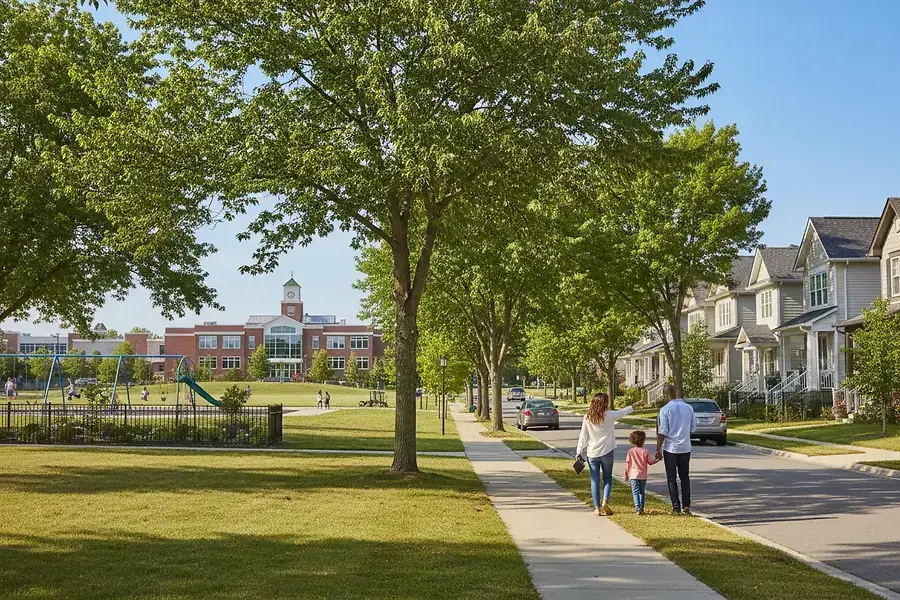
Understanding the Essential Neighborhood Metrics
When purchasing residential property, the neighborhood is often just as important as the house itself. A great home in a declining neighborhood can become a poor investment, while a modest home in a thriving community can appreciate significantly over time. Understanding the essential metrics that define neighborhood quality is the first step toward making an informed decision.
Walkability and Accessibility are fundamental considerations that directly impact your daily life. Evaluate how easily you can access essential services like grocery stores, pharmacies, and public transportation. A walkable neighborhood reduces your dependence on vehicles and often correlates with higher property values. Check the neighborhood's Walk Score and Transit Score online to get quantifiable data about accessibility.
Demographic Trends provide insight into the neighborhood's stability and growth potential. Research population growth rates, age distribution, and income levels. Neighborhoods with stable or growing populations tend to have stronger property values. Additionally, understanding the demographic makeup helps you determine if the community aligns with your lifestyle and values.
Traffic Patterns and Noise Levels
Spend time in the neighborhood during different times of day to assess traffic patterns and noise levels. Visit on weekdays, weekends, and evenings. Heavy traffic can indicate a busy commercial corridor, which might affect property values and quality of life. Pay attention to noise from highways, airports, or commercial areas that could impact your enjoyment of the property.
Property Maintenance and Appearance
The overall appearance of a neighborhood tells you much about community pride and property values. Look for well-maintained homes, clean streets, and minimal visible neglect. Neighborhoods where residents invest in upkeep typically experience better property value appreciation. Drive through residential streets and note the condition of homes, landscaping, and infrastructure.
Assessing Schools, Safety, and Community Amenities
For families and long-term residents, schools and safety are paramount concerns that significantly influence neighborhood desirability and property values.
School Quality and Performance
Research school ratings, test scores, and graduation rates even if you don't have children. Quality schools are a major driver of property values and neighborhood appeal. Access resources like state education department websites and independent rating services to evaluate school performance. Consider both elementary and secondary schools, as they affect the neighborhood's attractiveness to families.
Crime Rates and Safety
Safety is a critical factor in neighborhood evaluation. Review crime statistics from local law enforcement agencies and online crime mapping tools. Look beyond overall crime rates and examine specific types of crimes. A neighborhood with low violent crime but higher property crime may suit different buyers than one with the opposite profile. Visit the neighborhood at night to assess lighting and your personal sense of security.
Community Amenities and Recreation
- Parks and Green Spaces: Access to parks, trails, and recreational facilities enhances quality of life and property values
- Community Centers: Look for facilities offering programs, classes, and social opportunities
- Dining and Entertainment: Proximity to restaurants, shops, and entertainment venues adds neighborhood appeal
- Healthcare Facilities: Nearby hospitals, clinics, and medical services are essential, especially for older residents
- Cultural Institutions: Libraries, museums, and theaters contribute to neighborhood character and appeal
Evaluating Future Development and Market Trends
A neighborhood's future trajectory is as important as its current condition. Understanding development plans and market trends helps you make a forward-thinking investment decision.
Zoning and Future Development Plans
Contact your local planning department to review zoning maps and future development plans. Understanding what can be built nearby helps you anticipate changes to your neighborhood's character. Commercial development near residential areas can increase traffic and noise but may also increase property values. Conversely, preservation of green space typically supports long-term property appreciation.
Infrastructure Improvements
Research planned infrastructure projects such as new roads, public transportation expansions, or utility upgrades. These improvements can significantly impact property values and neighborhood accessibility. A neighborhood scheduled for transit expansion often experiences property value increases as the project approaches completion.
Market Trends and Property Values
Analyze historical property value trends in the neighborhood. Look at median home prices over the past five to ten years to identify appreciation patterns.
Neighborhoods with consistent, moderate appreciation tend to be more stable investments than those with volatile price swings.Consult with local real estate agents who can provide market insights and comparable sales data.
Economic Indicators
Examine the neighborhood's economic health by researching local employment opportunities, business development, and economic forecasts. Areas with diverse employment opportunities and growing businesses tend to attract residents and support property value growth. Check for major employers in the area and whether they're expanding or contracting.
Making Your Final Neighborhood Decision
After gathering information on all these factors, create a comprehensive evaluation framework to compare neighborhoods objectively.
Create a Weighted Scoring System
List your priorities and assign weights based on importance. For example, if schools are critical, assign them higher weight. Score each neighborhood on each factor, then calculate a total score. This systematic approach helps remove emotion from the decision and ensures you're comparing neighborhoods fairly.
Trust Your Instincts
While data is important, don't ignore your personal feelings about a neighborhood. Spend time there, talk to residents, and imagine yourself living there long-term. A neighborhood that checks all the boxes on paper but doesn't feel right might not be the best choice for your family.
Consult with Professionals
Work with experienced real estate agents, home inspectors, and financial advisors who understand local market conditions. Their expertise can help you interpret data and identify red flags you might otherwise miss. A good real estate agent can provide invaluable insights into neighborhood trends and future prospects.
Evaluating neighborhood quality requires thorough research, careful observation, and honest assessment of your priorities. By systematically examining essential metrics, safety factors, amenities, and future trends, you'll make a confident decision that supports both your lifestyle and your financial goals. Remember that the best neighborhood for you is one that aligns with your values, meets your practical needs, and offers the potential for long-term satisfaction and property value appreciation.


