How to Evaluate Neighborhoods Before Buying in the Phoenix Metro Area
Discover the key factors that determine whether a Phoenix Valley community is right for your family and investment goals.

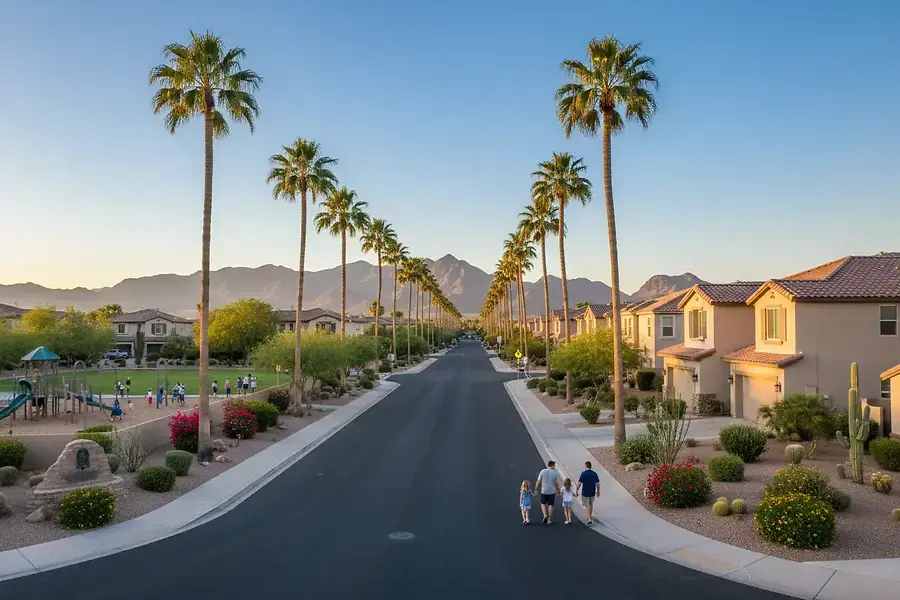
Introduction: Making an Informed Neighborhood Choice
Buying a home in the Phoenix metro area is one of the most significant decisions you'll make, and choosing the right neighborhood is just as important as selecting the property itself. The Valley's rapid growth has created diverse communities, each with unique characteristics, price points, and lifestyle offerings. Whether you're a first-time homebuyer, relocating for work, or seeking an investment property, understanding how to evaluate neighborhoods will help you find a community that aligns with your family's needs and financial goals.
The Phoenix metropolitan area spans multiple cities and towns, from established communities like Chandler and Gilbert to emerging neighborhoods in Mesa and beyond. Each area offers distinct advantages, and what works perfectly for one family may not suit another. By systematically evaluating key factors before making your purchase, you can avoid costly mistakes and find a neighborhood where you'll truly want to live.
Essential Factors to Evaluate: Schools, Safety, and Amenities
School Quality and Educational Opportunities
If you have children or plan to start a family, school quality should be a top priority in your neighborhood evaluation. Research school district ratings, test scores, and graduation rates through Arizona Department of Education resources and independent rating websites. Visit schools in person to get a feel for the campus, meet teachers, and understand the educational philosophy.
- District reputation: Some Phoenix-area districts consistently rank among Arizona's best
- Specialized programs: Look for STEM, arts, or advanced placement offerings
- Extracurricular activities: Sports, clubs, and community involvement opportunities matter
- School proximity: Consider commute times and walkability to schools
Safety and Crime Statistics
Neighborhood safety directly impacts your quality of life and property values. Don't rely solely on general impressions—dive into actual crime data. The Phoenix Police Department and local city websites provide crime statistics by neighborhood, including violent crime rates, property crime, and theft incidents.
Key safety metrics to research:
- Violent crime rates compared to city and state averages
- Property crime and burglary statistics
- Police response times and community policing programs
- Neighborhood watch programs and community safety initiatives
- Street lighting and visibility in residential areas
Visit neighborhoods at different times of day and night. Walk around, observe the environment, and talk to current residents about their safety experiences. A neighborhood that feels safe during the day might have different characteristics after dark.
Amenities and Lifestyle Factors
The amenities available in a neighborhood significantly influence daily life and long-term satisfaction. Consider what matters most to your lifestyle:
- Parks and recreation: Proximity to parks, hiking trails, golf courses, and sports facilities
- Shopping and dining: Nearby grocery stores, restaurants, and retail options
- Healthcare facilities: Access to hospitals, urgent care, and medical specialists
- Community centers: Libraries, fitness facilities, and cultural venues
- Commute accessibility: Distance to major employers and highway access
The Phoenix Valley's sprawling nature means commute times can vary significantly between neighborhoods. If you work in Scottsdale but live in Mesa, your daily commute could be substantial. Use mapping tools to calculate realistic commute times during peak hours.
Comparing Communities Across Chandler, Mesa, Gilbert, and Beyond
Chandler: Planned Community Excellence
Chandler has earned a reputation as one of Arizona's most desirable communities, known for excellent schools, master-planned neighborhoods, and strong property values. The city offers a mix of established areas and newer developments, with amenities ranging from the Chandler Fashion Center to extensive parks and recreation facilities. Chandler's planned community approach means consistent neighborhood standards and well-maintained common areas.
Gilbert: Family-Friendly Growth
Gilbert has experienced explosive growth while maintaining a small-town feel. The community is known for family-oriented neighborhoods, strong schools, and active community engagement. Gilbert offers more affordable options than Chandler while maintaining similar quality standards. The town's master-planned communities provide modern amenities and well-designed neighborhoods.
Mesa: Diverse Options and Value
As Arizona's third-largest city, Mesa offers tremendous diversity in neighborhoods and price points. From historic downtown areas to newer suburban developments, Mesa provides options for various budgets and lifestyles. The city has invested heavily in revitalization efforts, making certain neighborhoods increasingly attractive to homebuyers seeking value and community character.
Beyond the Major Cities
Don't overlook emerging communities like Ahwatukee, Queen Creek, and Tempe. Each offers unique advantages—from mountain views to college-town vibrancy. Research these areas thoroughly, as they may offer better value or lifestyle fit than established communities.
Conclusion: Taking Action on Your Neighborhood Research
Evaluating neighborhoods requires time, research, and personal exploration. Create a checklist of your priorities, visit multiple communities at different times, and gather data from reliable sources. Talk to current residents—they provide invaluable insights about neighborhood character, community spirit, and potential challenges.
Remember that neighborhoods evolve. A community you're considering today may change significantly over the next five to ten years. Research planned developments, zoning changes, and future infrastructure projects that could impact your neighborhood's character and property values.
The Phoenix metro area's diversity means there's likely a perfect neighborhood for your needs and budget. By systematically evaluating schools, safety, amenities, and community characteristics, you'll make a confident decision that you'll enjoy for years to come. Your new Phoenix Valley home is waiting—take the time to find the neighborhood that's right for you.


