How to Evaluate Property Appreciation Potential in the Lowcountry
Strategic analysis tools and market indicators that help real estate professionals identify high-growth residential and commercial properties from Savannah to Hilton Head.

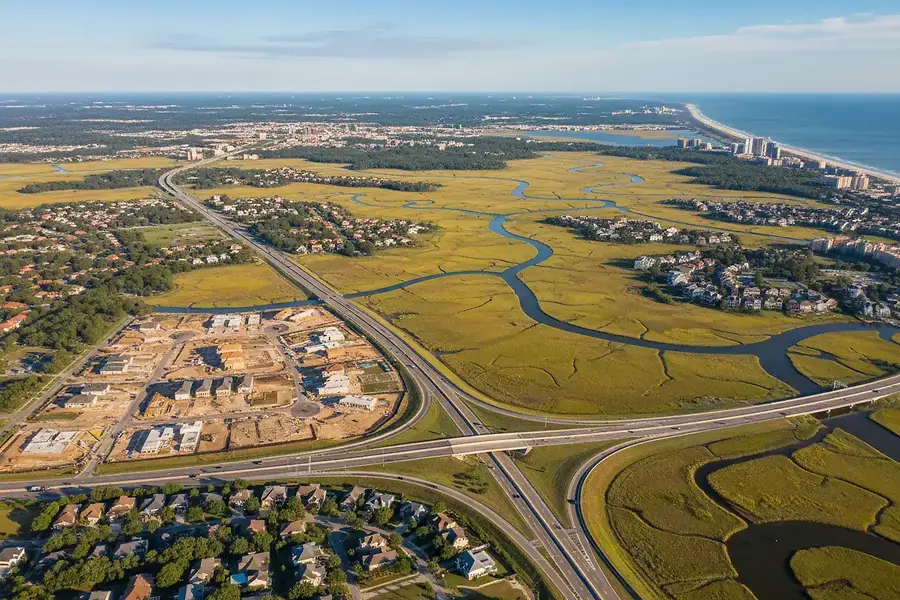
Understanding Market Fundamentals in the Lowcountry Region
The Lowcountry real estate market has emerged as one of the Southeast's most dynamic investment landscapes. Characterized by its unique blend of coastal charm, historical significance, and modern development, this region spanning from Savannah to Hilton Head presents compelling opportunities for savvy investors and real estate professionals.
To evaluate property appreciation potential effectively, you must first understand the foundational forces shaping the market. The Lowcountry's appeal stems from multiple factors: its desirable climate, strong tourism infrastructure, growing remote work populations, and limited developable land. These elements create natural supply constraints that historically support property value growth.
Population migration patterns significantly influence appreciation potential. The region has experienced consistent in-migration from northern states and other regions, driven by quality of life considerations and favorable tax policies. This demographic shift creates sustained demand for both residential and commercial properties, establishing a foundation for long-term appreciation.
Key Indicators That Signal Strong Property Appreciation
Employment Growth and Economic Diversification
Strong employment growth indicates a healthy market with expanding wealth creation. Look for emerging industries beyond tourism and hospitality—technology sectors, healthcare facilities, and professional services are increasingly establishing roots in the Lowcountry. Properties near employment centers typically appreciate faster than those in isolated areas.
Infrastructure Development and Accessibility
Transportation improvements directly correlate with property appreciation. Monitor road expansions, bridge projects, and improved connectivity between communities. Properties positioned near new infrastructure developments often experience significant value increases as accessibility improves and development follows.
School Quality and Educational Institutions
Families prioritize excellent schools when relocating. Properties in districts with strong academic performance, new school construction, or planned educational investments tend to appreciate more rapidly. This factor particularly influences residential property values in family-oriented neighborhoods.
Inventory Levels and Market Absorption
Monitor months of inventory in your target markets. Lower inventory levels typically signal stronger appreciation potential, as limited supply drives competition among buyers. Track how quickly properties sell and whether inventory is declining—these metrics reveal market strength and future appreciation likelihood.
Commercial Activity and Retail Development
New commercial development signals confidence in a market's future. Retail centers, office parks, and hospitality projects indicate investor confidence and suggest areas positioned for residential appreciation as supporting infrastructure develops. Properties near planned commercial developments often appreciate ahead of the curve.
Comparing Investment Potential Across Hilton Head, Bluffton, Beaufort, Hardeeville, and Savannah
Hilton Head Island
Market Position: Hilton Head remains the region's premium market with established infrastructure and strong tourism appeal. Appreciation Drivers: Limited available land, strong rental market, and consistent demand from affluent buyers support steady appreciation. Considerations: Higher entry prices may limit appreciation percentages, though absolute dollar gains remain substantial.
Bluffton
Market Position: Positioned as Hilton Head's more affordable neighbor, Bluffton offers significant growth potential. Appreciation Drivers: Rapid population growth, new residential developments, and improving commercial infrastructure create strong appreciation tailwinds. Considerations: Younger market with less established pricing; investors should focus on master-planned communities and areas near employment centers.
Beaufort
Market Position: Historic charm combined with military presence (Parris Island) creates unique market dynamics. Appreciation Drivers: Strong tourism, cultural attractions, and military stability support consistent demand. Considerations: Waterfront properties command premiums; inland properties offer better appreciation percentages for value-focused investors.
Hardeeville
Market Position: Emerging as the region's growth frontier with significant development potential. Appreciation Drivers: Interstate proximity, lower land costs, and planned commercial development create exceptional appreciation opportunities. Considerations: Earlier-stage market requires careful analysis; focus on properties near planned infrastructure improvements.
Savannah
Market Position: Georgia's historic coastal city offers diverse investment opportunities across multiple neighborhoods. Appreciation Drivers: Strong tourism economy, cultural institutions, and port-related economic activity support appreciation. Considerations: Neighborhood selection is critical; historic district properties offer different appreciation profiles than emerging neighborhoods.
Positioning Your Clients for Long-Term Wealth Building
Develop a Comprehensive Market Analysis Framework
Create systematic evaluation processes that examine multiple indicators simultaneously. Rather than relying on single metrics, develop scorecards that weight employment growth, infrastructure development, inventory levels, and demographic trends. This comprehensive approach reduces risk and improves prediction accuracy.
Focus on Emerging Neighborhoods Before Peak Recognition
The greatest appreciation gains occur when markets transition from emerging to established status. Identify neighborhoods showing early signs of development—new commercial activity, improving schools, infrastructure investment—before broader market recognition drives prices higher. This requires staying ahead of market trends and understanding development pipelines.
Consider Mixed-Use and Commercial Opportunities
While residential properties dominate investor portfolios, commercial and mixed-use properties often appreciate faster in developing markets. Properties positioned to capture commercial growth or serve emerging residential populations can deliver exceptional returns.
Leverage Local Expertise and Data
Partner with local professionals who understand nuanced market dynamics. Real estate agents, developers, and municipal planners provide invaluable insights into planned developments, zoning changes, and infrastructure projects that drive appreciation. Utilize multiple data sources including MLS data, demographic reports, employment statistics, and municipal planning documents to build comprehensive market pictures.
Monitor Regulatory and Zoning Changes
Zoning modifications and regulatory changes can dramatically impact property values. Properties positioned to benefit from zoning changes or new development permissions often appreciate rapidly. Stay informed about planning board meetings, comprehensive plan updates, and development proposals affecting your target markets.
Build Long-Term Holding Strategies
The Lowcountry's strongest appreciation occurs over extended holding periods as markets mature and infrastructure develops. Encourage clients to adopt long-term perspectives, allowing time for demographic trends and infrastructure investments to fully impact property values. Properties purchased during emerging phases often deliver exceptional returns over 10-15 year horizons.
By systematically evaluating these indicators and maintaining focus on emerging opportunities, real estate professionals can confidently guide clients toward properties positioned for substantial long-term appreciation throughout the Lowcountry region.