How to Evaluate Residential Properties Before Making an Offer
Master the essential inspection and assessment strategies that help you identify true value and avoid costly mistakes in residential real estate.

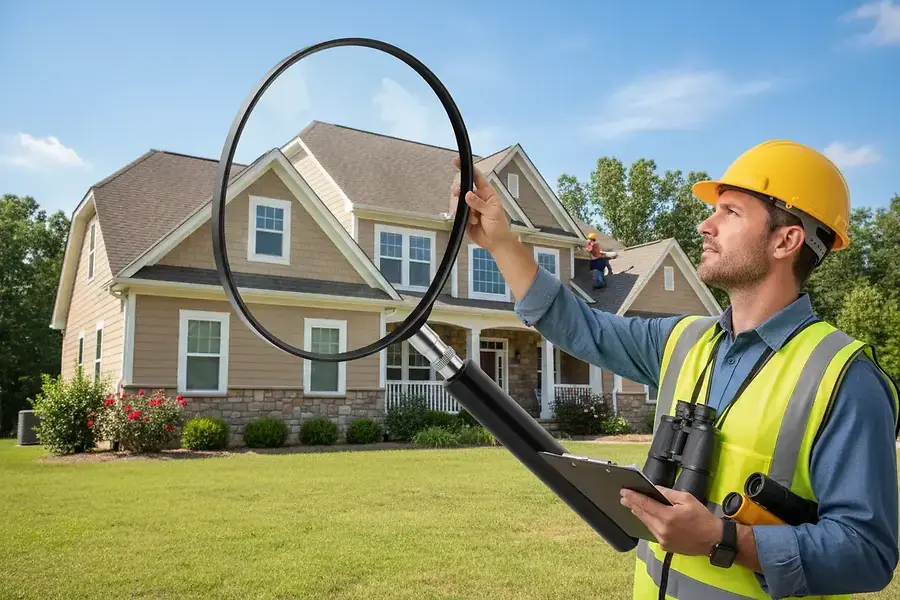
Introduction: The Critical Role of Property Evaluation
Purchasing a residential property is one of the most significant financial decisions you'll make in your lifetime. Before you submit an offer, conducting a thorough evaluation of the property is essential to protect your investment and ensure you're getting true value for your money. Many buyers rush through this critical phase, only to discover costly issues after closing. By mastering the art of property evaluation, you can identify red flags, negotiate better terms, and make confident offers backed by solid research.
Key Inspection Points Every Buyer Should Assess
Structural and Foundation Integrity
The foundation is the backbone of any home. Look for signs of settling, cracks in the foundation walls, or water damage in the basement or crawl space. Check for uneven floors, gaps between walls and ceilings, and doors that don't close properly—these can indicate foundation problems. Foundation repairs are expensive, so this inspection point deserves careful attention.
Roof and Exterior Condition
Examine the roof's age and condition from the ground and, if safe, from above. Look for missing or damaged shingles, signs of leaks, and proper ventilation. The exterior should be inspected for water damage, rot, pest damage, and the condition of siding, windows, and doors. These elements protect your home from the elements and can be costly to replace.
Plumbing and Water Systems
Test all faucets, showers, and toilets to ensure proper water pressure and drainage. Ask about the age of the plumbing system and whether it's original or has been updated. Older homes may have outdated pipes that require replacement. Check for signs of water damage, stains, or mold that could indicate hidden plumbing issues.
Electrical Systems
Verify that the electrical panel is in good condition and properly labeled. Ensure the home has adequate outlets and that the electrical system meets current safety standards. Outdated wiring or an undersized electrical panel can be safety hazards and may require expensive upgrades.
HVAC Systems
The heating, ventilation, and air conditioning systems are crucial for comfort and energy efficiency. Ask about the age of the furnace, air conditioner, and water heater. Request maintenance records and have a professional inspect these systems to ensure they're functioning properly. Replacing these systems can cost thousands of dollars.
Insulation and Energy Efficiency
Check the attic for adequate insulation and proper ventilation. Look for air leaks around windows, doors, and other openings that could affect energy efficiency. Energy-efficient homes cost less to operate and are more comfortable to live in.
Understanding Property Value Indicators and Market Comparables
Comparable Sales Analysis
Research recently sold properties in the same neighborhood with similar characteristics. Compare square footage, age, condition, and features to determine a fair market value. This data helps you understand whether the asking price is reasonable. Online real estate platforms and local assessor records are valuable resources for this research.
Location and Neighborhood Factors
The property's location significantly impacts its value. Consider proximity to schools, shopping, employment centers, and public transportation. Evaluate the neighborhood's safety, property values trends, and community amenities. A home in a desirable location with strong appreciation potential may justify a higher offer.
Property Condition and Age
Newer homes typically require fewer repairs, while older homes may have charm but need updates. Factor in the cost of necessary repairs and upgrades when determining the property's true value. A home that needs a new roof, updated electrical system, or plumbing repairs should be priced accordingly.
Market Conditions
Understanding whether you're in a buyer's or seller's market affects your negotiating power. In a buyer's market, you have more leverage to negotiate lower prices and request repairs. In a seller's market, you may need to be more competitive with your offer. Monitor local market trends and inventory levels.
Making Informed Offers Based on Your Evaluation
Hire Professional Inspectors
Always hire a licensed home inspector to conduct a thorough examination of the property. A professional inspector has the expertise and tools to identify issues you might miss. Budget $300-$500 for a comprehensive inspection. Consider specialized inspections for pest, mold, or radon if the property is in a high-risk area.
Request Seller Disclosures
Most jurisdictions require sellers to disclose known issues with the property. Review these disclosures carefully and ask follow-up questions about any concerns. If disclosures reveal significant problems, you can negotiate repairs or price reductions.
Negotiate Based on Findings
Use your inspection findings to negotiate. Request that the seller make repairs, provide credits for repairs, or reduce the price. Be reasonable in your requests—minor cosmetic issues shouldn't significantly impact your offer, but structural or system problems warrant negotiation.
Include Contingencies in Your Offer
Make your offer contingent on a satisfactory home inspection, appraisal, and financing approval. These contingencies protect you if the property doesn't meet expectations or appraises below the offer price. They give you an exit strategy if major issues are discovered.
Conclusion: Confidence Through Thorough Due Diligence
Evaluating a residential property before making an offer is not just a formality—it's your opportunity to make an informed decision about one of life's biggest purchases. By conducting thorough inspections, understanding value indicators, and researching market comparables, you position yourself to negotiate effectively and avoid costly surprises. Take your time, ask questions, and don't hesitate to walk away if something doesn't feel right. A property that seems perfect on the surface might have hidden issues that make it a poor investment. Trust the process, rely on professional expertise, and move forward with confidence knowing you've done your due diligence.


