How to Evaluate Residential Properties Before Making an Offer
Master the key inspection points and assessment criteria that protect your investment and ensure you're buying the right home.

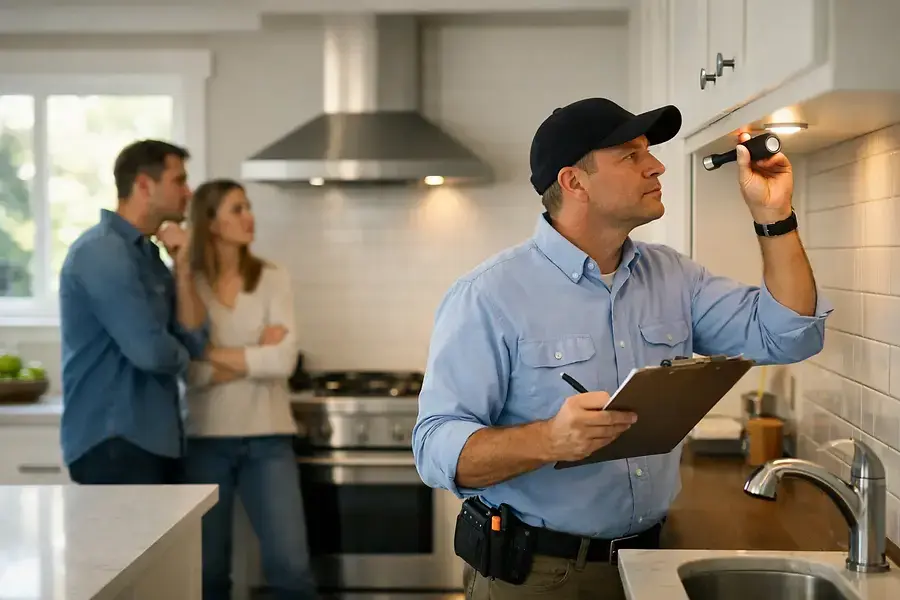
Why Thorough Property Evaluation Matters
Purchasing a residential property is one of the most significant financial decisions you'll make in your lifetime. Before committing to an offer, conducting a thorough evaluation is not just recommended—it's essential. A comprehensive property assessment protects your investment, reveals potential issues early, and ensures you're paying a fair price for the home you're considering.
Many first-time homebuyers rush through the evaluation process, focusing only on aesthetics and location. However, what lies beneath the surface—from the foundation to the electrical systems—can dramatically impact your long-term satisfaction and financial security. Taking time to evaluate a property thoroughly can save you thousands of dollars in unexpected repairs and help you avoid purchasing a home with serious structural or safety issues.
Critical Inspection Areas: Structural, Systems, and Safety Assessments
Foundation and Structural Integrity
The foundation is the backbone of any home. During your evaluation, look for visible cracks in the foundation, basement walls, or crawl spaces. Small hairline cracks are often normal, but larger cracks or those that are widening may indicate serious structural problems. Check for signs of water damage, efflorescence (white mineral deposits), or mold growth, which suggest moisture intrusion issues.
Walk through the home and observe if doors and windows close properly. Difficulty opening or closing doors, or gaps around window frames, can indicate foundation settling or shifting. These signs warrant a professional structural inspection before proceeding with your offer.
Roofing and Exterior Systems
Inspect the roof from the ground using binoculars or ask your inspector to examine it closely. Look for:
- Missing, cracked, or curling shingles
- Sagging roof lines
- Deteriorated flashing around chimneys and vents
- Signs of moss or algae growth
- Gutters and downspouts in good working condition
The roof is one of the most expensive components to replace, so understanding its age and condition is crucial. Most asphalt shingle roofs last 15-20 years, so if the roof is nearing the end of its lifespan, factor replacement costs into your decision.
Plumbing and Water Systems
Test all faucets, showers, and toilets to ensure proper water pressure and drainage. Look for signs of leaks under sinks, around the water heater, and in the basement or crawl space. Ask about the age of the plumbing system—homes with galvanized pipes or polybutylene pipes may need replacement soon.
Check the water heater's age and condition. Inspect for rust, leaks, or unusual noises. A water heater typically lasts 8-12 years, so this is another potential expense to consider.
Electrical Systems
Examine the electrical panel to ensure it's properly grounded and has adequate capacity for modern appliances. Look for outdated wiring, aluminum wiring (which poses fire risks), or signs of overheating. Test outlets throughout the home to ensure they're functioning correctly. Homes with outdated electrical systems may require upgrades, which can be costly.
HVAC and Climate Control
Ask about the age and maintenance history of the heating and cooling systems. Request documentation of regular servicing. Test both heating and cooling systems during your inspection. A failing HVAC system can cost $5,000-$15,000 to replace, so understanding its condition is vital.
Safety Features
Verify that the home has working smoke detectors, carbon monoxide detectors, and fire extinguishers. Check for proper handrails on stairs and secure railings on decks or balconies. If the home was built before 1978, it may contain lead paint, which requires disclosure and potentially remediation.
Financial Considerations: Appraisals, Comparable Sales, and True Property Value
Professional Home Appraisal
An appraisal provides an independent assessment of the property's market value. This protects both you and your lender by ensuring the home is worth the purchase price. If the appraisal comes in lower than your offer, you'll need to renegotiate or increase your down payment.
Comparable Sales Analysis
Research recent sales of similar homes in the neighborhood. Look at properties with comparable square footage, age, condition, and features. This comparable sales analysis helps you understand whether the asking price is competitive. Real estate websites and your agent can provide this data to help you make an informed offer.
Cost of Repairs and Upgrades
Based on your inspection findings, obtain repair estimates for any issues discovered. Factor these costs into your offer price. If the home needs a new roof, updated electrical system, or plumbing repairs, these expenses should be reflected in what you're willing to pay.
Long-Term Investment Potential
Consider the neighborhood's growth potential, school district quality, and future development plans. A home in an appreciating area with good schools and amenities may justify a higher price, even if it needs some updates. Conversely, a home in a declining neighborhood may not be a sound investment regardless of its condition.
Making Informed Decisions for Your Residential Purchase
Evaluating a residential property thoroughly requires time, attention to detail, and often professional assistance. Don't skip the home inspection to save money—this is one area where cutting corners can be extremely costly. Hire a qualified home inspector, get a professional appraisal, and research the market thoroughly.
Create a checklist of your findings and prioritize which issues are deal-breakers versus those you can address after purchase. Use your inspection results as leverage in negotiations, requesting repairs, credits, or price reductions as appropriate.
Remember, buying a home is not just about finding a place you love—it's about making a smart financial investment. By conducting a comprehensive evaluation before making an offer, you protect yourself, ensure fair pricing, and gain confidence in your decision. Take the time to do it right, and you'll enjoy your new home for years to come with fewer surprises and regrets.


