How to Evaluate Scottsdale Commercial Properties Before Buying
Master the essential inspection and valuation strategies that protect your commercial real estate investment in Scottsdale.

Why Due Diligence Matters in Commercial Real Estate
Investing in commercial real estate is one of the most significant financial decisions you'll make. Unlike residential properties, commercial investments involve complex lease agreements, multiple tenants, and intricate financial structures. In Scottsdale's competitive market, thorough due diligence isn't just recommended—it's essential for protecting your capital and maximizing returns.
The stakes are considerably higher in commercial transactions. A single oversight during the evaluation process can cost you thousands in unexpected repairs, lost rental income, or legal disputes. By implementing comprehensive inspection and valuation strategies, you position yourself to identify red flags early and negotiate from a position of strength.
Key reasons due diligence matters:
- Identifies hidden structural or mechanical issues before purchase
- Reveals tenant quality and lease sustainability
- Uncovers environmental concerns or zoning restrictions
- Validates the property's true income potential
- Protects against overpaying for underperforming assets
Understanding Property Inspections and Structural Assessment
The Importance of Professional Inspections
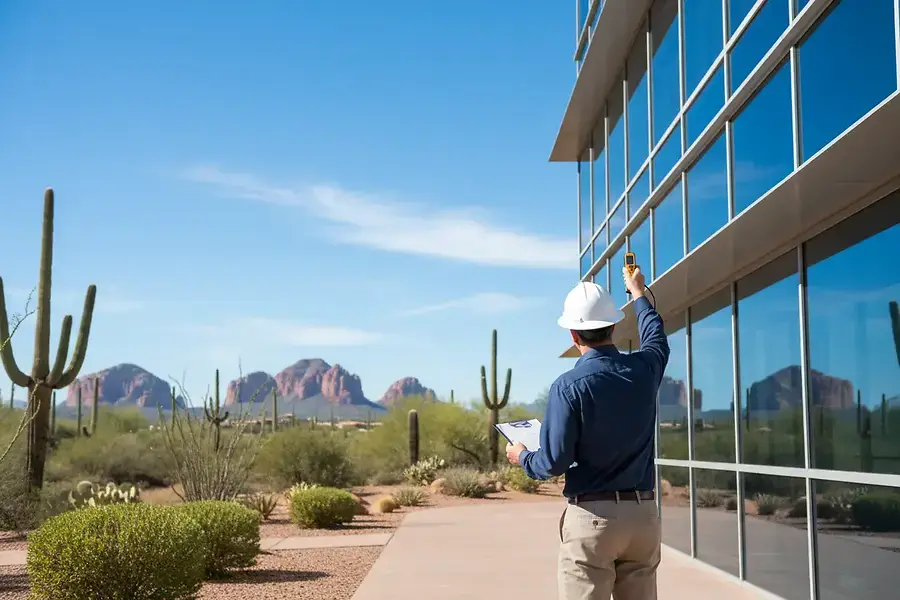
A professional property inspection is your first line of defense against costly surprises. In Scottsdale's desert climate, properties face unique challenges including extreme heat exposure, dust infiltration, and potential water damage from monsoon seasons. Hiring a qualified commercial property inspector ensures these regional concerns are properly evaluated.
Professional inspectors examine structural integrity, mechanical systems, roofing conditions, HVAC functionality, electrical systems, and plumbing infrastructure. They provide detailed reports identifying current issues and potential future problems, giving you concrete data to support negotiations or walk-away decisions.
Key Structural Elements to Evaluate
Foundation and Structural Integrity: The foundation is the property's backbone. Inspectors should assess for cracks, settling, or water intrusion that could indicate serious problems. In Scottsdale, soil composition can vary significantly, affecting long-term structural stability.
Roof Condition: Commercial roofs are expensive to replace. Determine the roof's age, material type, and remaining lifespan. Arizona's intense sun can accelerate deterioration, making this assessment particularly important.
HVAC Systems: Commercial HVAC systems are critical for tenant comfort and retention. Verify maintenance records, system age, and efficiency ratings. Replacement costs can be substantial, so understanding the system's condition directly impacts your bottom line.
Electrical and Plumbing: Outdated systems may not support modern tenant needs or could pose safety risks. Ensure systems meet current code requirements and can handle the property's intended use.
Environmental and Compliance Considerations
Conduct Phase I and Phase II environmental assessments if the property has any industrial history or sits near potentially contaminated sites. Verify zoning compliance and that the property meets all local building codes. Non-compliance issues can be expensive to remediate and may restrict future use.
Analyzing Tenant Quality, Lease Terms, and Revenue Potential
Evaluating Tenant Creditworthiness
Your tenants are your income stream. Analyze each tenant's credit history, payment reliability, and business stability. Request financial statements and conduct background checks. Long-term, stable tenants with strong credit profiles significantly reduce vacancy risk and ensure consistent cash flow.
Questions to ask about tenants:
- How long have they occupied the space?
- What is their payment history?
- Is their business stable and growing?
- Do they have other locations or a solid track record?
- Are they dependent on the current property location?
Reviewing Lease Terms and Conditions
Lease agreements are legal contracts that define your relationship with tenants and your income expectations. Review each lease carefully for:
- Lease duration: Longer leases provide stability; shorter leases offer flexibility but increase turnover risk
- Rent escalation clauses: Ensure rent increases keep pace with inflation and market conditions
- Renewal options: Tenant renewal rights affect your ability to increase rents or reposition the property
- Maintenance responsibilities: Clarify who pays for repairs and maintenance to avoid unexpected expenses
- Lease expiration dates: Staggered expirations reduce vacancy risk; clustered expirations create vulnerability
Calculating True Revenue Potential
Don't rely solely on advertised rental rates. Calculate actual revenue by analyzing:
Gross Potential Income: Total rent if all units were occupied at market rates. Compare this to actual collected rent to identify vacancy issues or below-market leases.
Operating Expenses: Property taxes, insurance, maintenance, utilities, management fees, and reserves. High operating expenses significantly impact net income. Request three years of expense history to identify trends.
Net Operating Income (NOI): Gross rental income minus operating expenses. This metric reveals the property's true profitability and is essential for valuation.
Cap Rate: NOI divided by property value. Compare the property's cap rate to similar Scottsdale properties to determine if pricing is competitive.
"Smart investors don't just look at what a property costs—they analyze what it actually produces. A thorough financial review prevents you from overpaying for underperforming assets."
Making Informed Commercial Investment Decisions
Comprehensive evaluation requires integrating inspection findings, tenant analysis, and financial metrics into a cohesive assessment. Create a detailed investment summary documenting:
- All inspection findings and estimated repair costs
- Tenant profiles and lease analysis
- Five-year financial projections
- Risk assessment and mitigation strategies
- Comparable property analysis
- Your required return on investment
Use this information to make data-driven decisions. If inspection costs exceed your repair budget, negotiate with the seller or walk away. If tenants are unstable or leases are unfavorable, factor in higher vacancy risk. If financial projections don't meet your return requirements, the price is too high.
Remember that Scottsdale's commercial real estate market moves quickly. While thorough evaluation takes time, it's far less costly than purchasing a problematic property. Trust your analysis, consult with experienced commercial real estate professionals, and invest only when the numbers and conditions align with your investment goals.
By mastering these evaluation strategies, you'll confidently navigate Scottsdale's commercial real estate landscape and build a portfolio of strong, income-producing properties.