How to Identify High-Potential Commercial Properties in Tempe and Phoenix
Master the key criteria that separate profitable commercial investments from risky ventures in Arizona's competitive market.

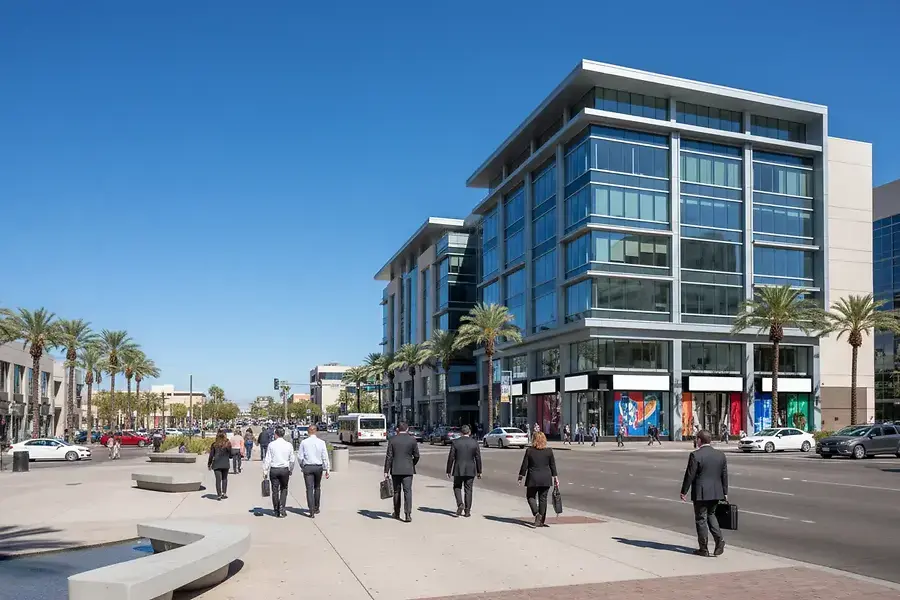
Why Location and Property Selection Matter for Commercial Success
Commercial real estate investment in Arizona's dynamic markets requires more than just capital and ambition. The difference between a thriving investment and a financial burden often comes down to one critical factor: informed decision-making. Tempe and Phoenix have emerged as hotspots for commercial real estate opportunities, attracting investors from across the nation. However, with opportunity comes competition, and only those who understand the nuances of property evaluation can consistently identify winners.
The stakes are high. A single poor investment decision can tie up significant capital for years, while a well-chosen property can generate steady cash flow and appreciate substantially. This is why developing a systematic approach to evaluating commercial properties isn't just recommended—it's essential for long-term success.
Key Metrics to Evaluate Commercial Property Potential
Cap Rate and Return on Investment
The capitalization rate (cap rate) is perhaps the most fundamental metric for commercial property evaluation. It represents the annual return on your investment and is calculated by dividing the net operating income by the property's purchase price. A higher cap rate typically indicates a better return, though it can also signal higher risk.
When evaluating properties in Tempe and Phoenix, compare cap rates across similar property types and locations. Properties offering 6-8% cap rates in prime locations are generally considered competitive, while rates above 8% may warrant additional scrutiny regarding the property's condition or tenant stability.
Occupancy Rates and Tenant Quality
An empty commercial space generates no revenue. Occupancy rates directly impact your investment's profitability. Look for properties with occupancy rates above 85%, which indicates strong market demand and reliable income streams. Additionally, evaluate the quality and stability of existing tenants:
- National or regional chains provide more stability than local businesses
- Long-term leases reduce turnover costs and vacancy risk
- Tenant diversity prevents over-reliance on a single business
- Strong tenant credit ratings indicate lower default risk
Location and Accessibility
In commercial real estate, location remains paramount. Properties near major highways, public transportation, and business districts command premium prices for good reason. In Tempe, proximity to Arizona State University and the downtown corridor creates unique opportunities. In Phoenix, areas along the light rail and near Sky Harbor International Airport offer exceptional accessibility.
Evaluate foot traffic patterns, parking availability, and visibility from main roads. These factors directly influence tenant demand and rental rates.
Property Condition and Maintenance Costs
Don't overlook the physical condition of the building. Conduct thorough inspections to identify potential maintenance issues that could drain profits. Key areas to assess include:
- HVAC systems and age
- Roof condition and remaining lifespan
- Plumbing and electrical infrastructure
- Foundation integrity
- Deferred maintenance backlog
A property with lower acquisition costs but significant repair needs may ultimately prove more expensive than a well-maintained alternative.
Market-Specific Opportunities in Tempe and Phoenix
Tempe's Emerging Tech Corridor
Tempe has transformed into a technology and innovation hub, attracting startups and established tech companies alike. This growth creates exceptional opportunities for office and mixed-use properties. The downtown Tempe area, in particular, offers strong appreciation potential as the market continues to develop.
Investment Focus: Look for Class A and Class B office spaces near ASU's campus and downtown developments. These properties attract young professionals and growing companies seeking modern amenities and collaborative environments.
Phoenix's Diverse Commercial Landscape
Phoenix's larger market offers more diversified opportunities across multiple property types. Industrial properties near distribution centers, retail spaces in high-traffic corridors, and office buildings in downtown Phoenix all present viable investment options.
Investment Focus: Consider industrial properties supporting e-commerce logistics, as this sector continues rapid expansion. Additionally, retail properties in established neighborhoods with strong demographics offer stable, long-term income potential.
Market Growth Indicators
Both markets benefit from Arizona's population growth and business-friendly environment. Monitor these indicators when evaluating opportunities:
- Population growth rates and demographic trends
- Employment growth in key industries
- Commercial real estate absorption rates
- New business formation and relocation announcements
- Infrastructure development projects
Properties in areas experiencing positive growth indicators typically appreciate faster and attract higher-quality tenants.
Taking Action on Your Commercial Real Estate Strategy
Identifying high-potential commercial properties requires combining quantitative analysis with market knowledge and due diligence. Start by establishing clear investment criteria aligned with your financial goals and risk tolerance. Whether you're seeking steady cash flow or long-term appreciation, your property selection should reflect these objectives.
Next steps: Partner with experienced local real estate professionals who understand Tempe and Phoenix markets intimately. Conduct thorough financial analysis on every prospect. Never rush the evaluation process—the best deals often go to investors who take time to verify every detail.
The Arizona commercial real estate market offers genuine opportunities for informed investors. By mastering these evaluation criteria and understanding market-specific dynamics, you'll be positioned to identify properties that generate consistent returns and build lasting wealth through commercial real estate investment.