How to Negotiate the Best Price When Selling Your Residential Home
Learn proven tactics to maximize your selling price and close deals with confidence.

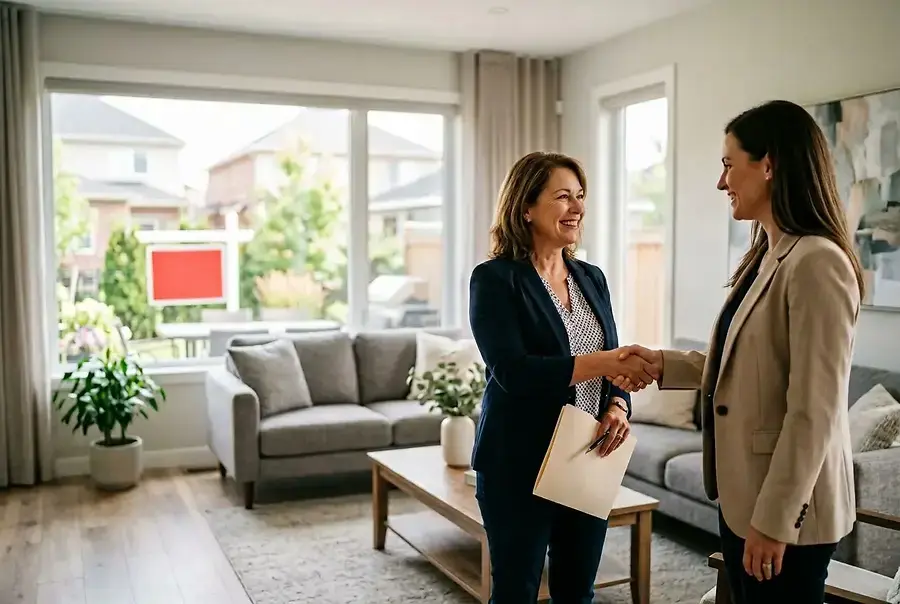
Introduction: Why Negotiation Skills Matter in Residential Sales
Selling your home is one of the most significant financial transactions you'll ever make. While many homeowners focus on curb appeal and staging, they often overlook a critical factor: negotiation skills. The difference between accepting the first offer and negotiating strategically can mean tens of thousands of dollars in your pocket.
Whether you're working with a real estate agent or selling independently, understanding how to negotiate effectively transforms you from a passive seller into an empowered one. This article walks you through proven tactics that top sellers use to maximize their bottom line and close deals with confidence.
Understanding Market Positioning and Strategic Pricing
Know Your Market Inside and Out
Before you can negotiate effectively, you must understand your market position. Research comparable properties in your area that have sold recently. Look at:
- Sale prices of similar homes in your neighborhood
- Days on market for comparable properties
- Current inventory levels and market trends
- Seasonal demand patterns in your area
This data becomes your negotiating foundation. When a buyer makes an offer, you'll know exactly where it stands relative to market value.
Strategic Pricing: The Psychology of Numbers
Pricing your home correctly is your first negotiation move. Underpricing attracts multiple offers and creates competition, which naturally drives up the final price. Conversely, overpricing scares away serious buyers and leaves you negotiating downward.
Consider pricing slightly below market value to generate interest and multiple bids. This strategy often results in a higher final sale price than pricing at or above market value, as competitive offers drive the price up organically.
Timing and Market Conditions
Your negotiating power varies with market conditions. In a seller's market, you have more leverage and can be firmer with your demands. In a buyer's market, flexibility becomes your strength. Understanding where you stand helps you calibrate your negotiation approach.
Proven Negotiation Tactics That Increase Your Bottom Line
Build Your Negotiating Position
Strong negotiating positions don't happen by accident. Create leverage by:
- Getting pre-inspections: Identify and fix issues before buyers do, eliminating negotiation points
- Obtaining pre-appraisals: Know your home's value before negotiations begin
- Gathering documentation: Have records of repairs, upgrades, and maintenance ready
- Creating urgency: Set reasonable deadlines for offers and responses
When you're prepared, buyers sense your confidence, and negotiations shift in your favor.
Master the Art of the Counter-Offer
Never accept the first offer immediately, even if it seems reasonable. Always counter, even if only slightly. This accomplishes two things: it signals that you're serious about your asking price, and it opens dialogue that often leads to better terms.
When countering, focus on the numbers but also consider non-price terms:
- Closing timeline
- Contingencies (inspection, appraisal, financing)
- Included fixtures and appliances
- Repair responsibilities
- Earnest money amounts
Sometimes accepting a slightly lower price with fewer contingencies is better than holding out for more money with risky conditions.
Use Information as Your Weapon
Knowledge is power in negotiations. Understand your buyer's position: Are they pre-approved? Do they have a home to sell first? Are they paying cash? Each scenario changes your negotiating strategy.
If a buyer is pre-approved and has no contingencies, they're stronger negotiators. If they're waiting to sell their current home, you have leverage. Use this information to craft offers that appeal to their situation while protecting your interests.
Don't Negotiate Against Yourself
One of the biggest mistakes sellers make is lowering their price without a buyer asking. Wait for the other party to make the next move. If you've countered at $450,000 and the buyer hasn't responded, resist the urge to drop to $445,000. Let them respond first.
This patience often results in better outcomes. Buyers respect sellers who stand firm, and it signals that you're serious about your price.
Leverage Multiple Offers
If you receive multiple offers, you're in an enviable position. Use this competition strategically. You can:
- Ask all buyers to submit their best and final offers
- Create a bidding war that drives up the price
- Play offers against each other to improve terms
- Select the strongest offer based on price and terms combined
Multiple offers are your greatest negotiating tool—use them wisely.
Closing Strong: Finalizing Terms and Protecting Your Interests
Negotiate the Inspection Period Carefully
The inspection period is where many deals fall apart. Limit the inspection period to 7-10 days to prevent buyers from using it as a renegotiation tool. Be prepared to address legitimate issues but don't let inspections become an excuse for price reductions.
Consider offering a home warranty to buyers as a compromise. This protects them without requiring you to make repairs, and it often satisfies their concerns.
Protect Yourself in the Final Stages
As you approach closing, maintain your negotiating position:
- Don't make last-minute repairs unless absolutely necessary—buyers may use them as negotiation points
- Stick to your closing timeline—delays often lead to renegotiation attempts
- Have your agent review all documents carefully—errors can cost you money
- Don't offer concessions at closing unless the buyer brings legitimate issues
The final stages are where unprepared sellers lose money. Stay vigilant and firm.
Know When to Walk Away
Sometimes the best negotiation is knowing when to stop negotiating. Set your minimum acceptable price before negotiations begin and stick to it. If a buyer won't meet your bottom line, walking away is often the right choice.
There will always be other buyers. Accepting an unacceptable offer just to close a deal often leads to regret and financial loss.
Final Thoughts
Negotiating the best price for your home requires preparation, patience, and strategic thinking. By understanding your market, building a strong negotiating position, and mastering proven tactics, you transform the selling process from stressful to profitable.
Remember: every dollar you negotiate is money in your pocket. The time you invest in learning these skills pays dividends when you're selling one of your most valuable assets.
Start implementing these tactics today, and watch your home's final sale price reflect your negotiating expertise.


