How to Prepare Your Home for Sale and Attract Serious Buyers
A practical guide to maximizing your property's appeal and market value before listing.

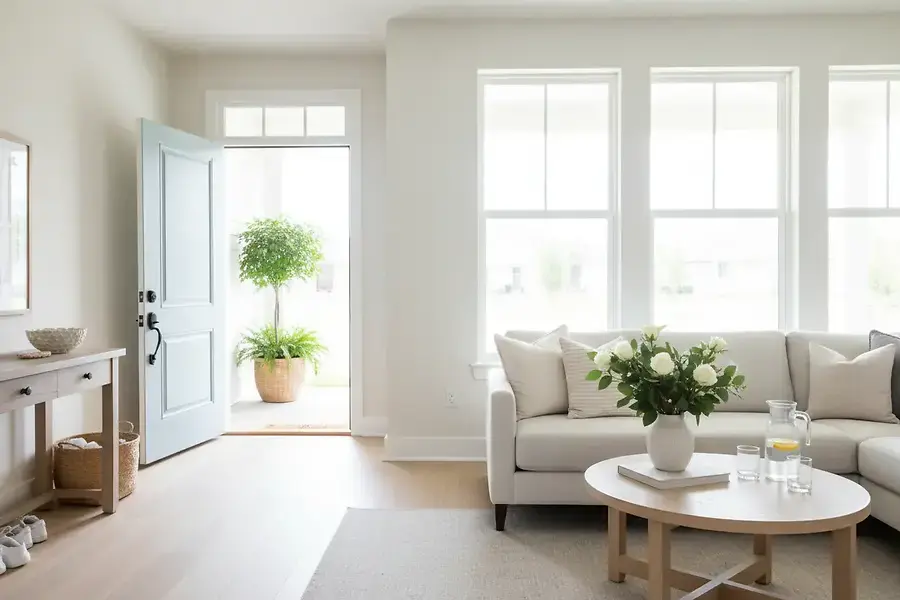
Introduction: Why Home Preparation Matters
Selling your home is one of the most significant financial decisions you'll make. The difference between a quick sale at full price and a prolonged listing with multiple price reductions often comes down to one critical factor: how well you prepare your property. First impressions matter tremendously in real estate, and buyers today are more discerning than ever. They're looking for homes that are move-in ready, well-maintained, and aesthetically appealing.
When you invest time and resources into preparing your home before listing, you're not just cleaning and decorating—you're strategically positioning your property to command top dollar. This guide will walk you through the essential steps to transform your home into an irresistible offering that attracts serious, qualified buyers.
Key Repairs and Maintenance Tasks That Buyers Notice Most
Address Critical Structural and Safety Issues
Before anything else, buyers will scrutinize the foundation, roof, plumbing, and electrical systems. These are non-negotiable elements that can make or break a deal. Consider hiring a professional inspector to identify issues before potential buyers do. Common red flags include:
- Roof damage or missing shingles
- Water stains or signs of leaks
- Cracks in the foundation
- Outdated electrical systems
- Plumbing issues or slow drains
Addressing these problems upfront demonstrates that you've maintained the property responsibly and eliminates negotiating leverage for buyers.
Refresh the Exterior Curb Appeal
Your home's exterior is the first thing buyers see, and it sets the tone for their entire visit. A fresh coat of paint on the front door, new house numbers, and well-maintained landscaping can dramatically improve curb appeal. Power wash the driveway and walkways, trim overgrown bushes, and plant colorful flowers near the entrance. These relatively inexpensive improvements yield impressive returns on investment.
Update Kitchens and Bathrooms Strategically
Kitchens and bathrooms are the primary focus areas for most buyers. You don't need a complete renovation, but updating fixtures, repainting cabinets, replacing hardware, and installing new faucets can work wonders. Clean grout, replace caulking, and ensure all fixtures are in working order. These spaces should feel fresh, functional, and hygienic.
Staging and Presentation Strategies to Attract Qualified Offers
Declutter and Depersonalize
Buyers need to envision themselves living in your home, which is difficult when they're surrounded by your personal belongings and family photos. Remove approximately 30-50% of your items, especially from closets and shelves. Pack away personal memorabilia, family portraits, and religious items. The goal is to create a blank canvas that allows buyers to imagine their own lives in the space.
Create a Neutral, Inviting Atmosphere
Paint walls in neutral colors like soft whites, beiges, and light grays. These colors appeal to the broadest audience and make spaces feel larger and brighter. If you have bold accent walls or unusual color choices, consider repainting. Additionally:
- Replace worn carpeting or refinish hardwood floors
- Update lighting fixtures for a modern appearance
- Ensure all light bulbs are working and rooms are well-lit
- Open curtains and blinds to maximize natural light
Arrange Furniture for Flow and Function
Furniture placement should highlight the home's layout and make spaces feel open and inviting. Remove oversized furniture that makes rooms feel cramped. Arrange remaining pieces to create clear pathways and define functional areas. In the living room, position furniture to showcase the room's best features, whether that's a fireplace, windows, or architectural details.
Add Strategic Touches of Warmth
While depersonalization is important, homes that feel completely sterile can seem cold and uninviting. Add subtle touches that create warmth without being personal:
- Fresh flowers or potted plants in key areas
- Neutral-colored throw pillows and blankets
- Artwork that complements the décor
- A pleasant, subtle scent (avoid strong fragrances)
- Soft background music during showings
Optimize Each Room's Purpose
Every room should have a clear, identifiable purpose. If you've been using a bedroom as a storage room, clear it out and stage it as a bedroom. Ensure spare bedrooms look inviting and functional, not like dumping grounds. A home office should appear professional and organized. The dining room should feel like a place where families gather, not a workspace or storage area.
Don't Overlook the Details
Small details often make the biggest impression. Replace worn cabinet hardware, fix squeaky doors, ensure all light switches work smoothly, and touch up paint scuffs. Clean windows inside and out, polish mirrors, and ensure baseboards are spotless. These finishing touches demonstrate that the home has been well-cared for and attention has been paid to quality.
Conclusion: Setting Yourself Up for a Successful Sale
Preparing your home for sale requires effort and investment, but the payoff is substantial. By addressing critical repairs, enhancing curb appeal, and strategically staging your property, you're positioning yourself for a faster sale at a higher price point. Remember that buyers are investing not just in a property, but in their future home—make it easy for them to fall in love with yours.
Start with the most impactful improvements first: critical repairs, exterior updates, and kitchen and bathroom refreshes. Then focus on staging and presentation to create an emotional connection. When serious buyers walk through your door, they should immediately envision themselves living there. With these strategies in place, you'll be well on your way to a successful sale that maximizes your home's true market value.


