How to Price Your Home Competitively in Pahrump, Amargosa Valley & Sandy Valley
Master the art of home valuation in Nevada's tri-valley region and attract serious buyers with strategic pricing.

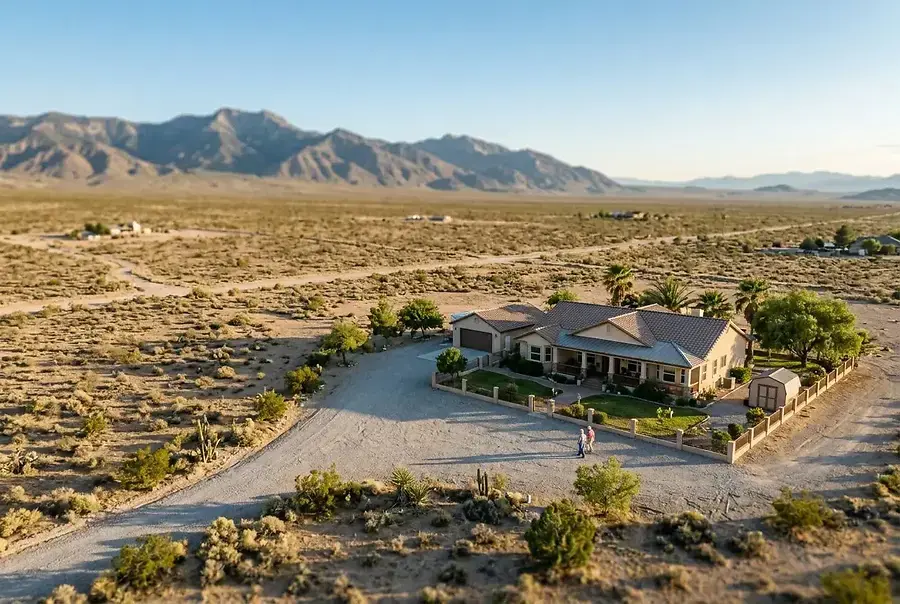
Understanding the Local Real Estate Market Dynamics
The tri-valley region of Nevada—encompassing Pahrump, Amargosa Valley, and Sandy Valley—presents unique opportunities and challenges for home sellers. Unlike urban markets, these desert communities operate with distinct supply and demand patterns that directly impact pricing strategies. Understanding these dynamics is the first step toward positioning your property for success.
Pahrump, the largest of the three communities, has experienced steady growth over recent years, attracting retirees, remote workers, and families seeking affordable desert living. Amargosa Valley and Sandy Valley, while smaller, offer their own appeal with spacious properties and tight-knit communities. Each area has its own buyer demographic, which influences how homes should be priced and marketed.
Market Trends and Buyer Behavior
The tri-valley market moves at a different pace than metropolitan areas. Inventory levels fluctuate seasonally, with increased activity during spring and early summer months. Serious buyers in these communities often prioritize land size, privacy, and proximity to amenities over trendy finishes. This fundamental difference shapes how you should approach pricing your home.
Key market characteristics include:
- Lower inventory turnover compared to urban markets
- Longer average days on market, requiring patience and strategic pricing
- Buyer pools that value space, land, and self-sufficiency features
- Seasonal fluctuations in buyer activity and property availability
Key Factors That Influence Home Values in Desert Communities
Pricing your home competitively requires understanding the specific factors that drive value in desert communities. While traditional metrics like square footage and age matter, desert properties have unique considerations that significantly impact valuation.
Land and Acreage
In the tri-valley region, land is often more valuable than the structure itself. Properties with larger acreage command premium prices, especially those suitable for horses, livestock, or future development. The amount of usable land, water rights, and zoning flexibility all contribute to your home's value. A modest home on five acres may be worth considerably more than a larger home on a quarter-acre lot.
Water Availability and Utilities
Water is precious in desert communities, making well quality and water rights critical valuation factors. Homes with reliable well systems, septic systems in good condition, and established utility connections are more attractive to buyers. Properties requiring significant infrastructure investments will need adjusted pricing to reflect these future costs.
Location Within the Tri-Valley Region
Proximity to town centers, shopping, medical facilities, and schools affects property values. Homes closer to Pahrump's commercial district typically command higher prices than remote properties. However, buyers seeking ultimate privacy may pay premium prices for isolated properties with exceptional views or unique features.
Property Condition and Unique Features
Desert homes require specific maintenance considerations. Properties with updated roofing, HVAC systems designed for extreme heat, and quality insulation are more valuable. Unique features like solar panels, guest houses, workshops, or recreational amenities add significant appeal and justify higher pricing.
Pricing Strategies to Maximize Your Home's Appeal and Sale Potential
Strategic pricing is an art and science that requires balancing market realities with your home's unique attributes. Overpricing leads to extended listing periods and reduced buyer interest, while underpricing leaves money on the table.
Conduct a Comprehensive Comparative Market Analysis
Begin by analyzing recently sold properties similar to yours in size, condition, and location. Look beyond just the sale price—examine days on market, original list prices, and final sale prices. This data reveals whether the market favors buyers or sellers and helps establish a realistic baseline for your property.
Price for Your Target Buyer
Consider who will most likely purchase your home. Retirees seeking affordable desert living have different priorities than investors or families. Emphasize features that appeal to your target demographic. A property marketed to horse enthusiasts should highlight acreage and facilities, while a home targeting remote workers should emphasize internet reliability and workspace potential.
Account for Market Absorption Rates
The tri-valley region typically has slower absorption rates than urban markets. This means pricing slightly below comparable properties may be necessary to generate buyer interest quickly. However, pricing too aggressively can signal problems to savvy buyers. Strike a balance by pricing competitively while highlighting your home's unique value propositions.
Consider Seasonal Timing
Seasonal pricing adjustments can improve your results:
- Spring/Early Summer: Peak buying season allows for competitive pricing
- Fall: Moderate activity; slight pricing adjustments may attract motivated buyers
- Winter: Lower activity; strategic pricing becomes essential to stand out
Highlight Value-Added Features
Price your home to reflect genuine improvements and unique features. Solar installations, well-maintained outbuildings, established landscaping, and recent upgrades justify premium pricing. Conversely, properties requiring significant repairs should be priced accordingly to account for buyer renovation costs.
Working with Local Experts to Position Your Property for Success
While understanding market dynamics is important, partnering with local real estate professionals is invaluable for pricing success in the tri-valley region.
Engage a Local Real Estate Agent
A knowledgeable local agent brings intimate market knowledge, established buyer networks, and pricing expertise. They understand which features resonate with tri-valley buyers and can position your property effectively. Their experience with seasonal fluctuations and local buyer preferences is worth far more than generic pricing advice.
Get a Professional Appraisal
An independent appraisal provides objective valuation based on comparable sales and property condition. This protects both you and potential buyers, establishing credibility and supporting your asking price. In a market where buyers are often sophisticated investors or experienced relocators, professional documentation builds confidence.
Leverage Local Marketing Channels
Effective pricing means nothing if your property doesn't reach qualified buyers. Local agents understand which marketing channels work best in the tri-valley region. From online platforms to local publications and community networks, strategic marketing ensures your competitively priced home gets proper exposure.
Be Prepared to Adjust
Market conditions change, and flexibility is essential. If your property isn't generating interest after 30-45 days, be willing to reassess your pricing strategy. A strategic price reduction often generates renewed buyer interest and can ultimately result in a faster sale at a better net price than holding firm on an overpriced listing.
Remember: Pricing your home competitively in Pahrump, Amargosa Valley, and Sandy Valley requires understanding local market dynamics, recognizing what drives value in desert communities, and implementing strategic pricing approaches. By combining market knowledge with professional guidance, you'll position your property to attract serious buyers and achieve your sales goals.


