How to Price Your Home Competitively in Southern New Hampshire
Master the local market dynamics to attract serious buyers and maximize your sale price across 23 communities.

Introduction: The Importance of Accurate Home Pricing
Pricing your home correctly is one of the most critical decisions you'll make as a seller. Set the price too high, and your property may languish on the market, losing buyer interest and momentum. Price it too low, and you're leaving money on the table. In Southern New Hampshire's diverse real estate landscape, finding that sweet spot requires understanding local market conditions, neighborhood characteristics, and buyer expectations across the region's 23 communities.
The Southern New Hampshire real estate market is dynamic and multifaceted. From the bustling areas near Manchester to the quieter, more rural communities, each neighborhood has its own unique appeal and pricing dynamics. Successful sellers take the time to understand these nuances before listing their homes.
Understanding Southern New Hampshire's Diverse Market Segments
Urban and Suburban Centers
Southern New Hampshire includes several vibrant urban and suburban communities that attract buyers seeking convenience and amenities. These areas typically command higher prices due to proximity to employment centers, shopping, dining, and entertainment options. Properties in these segments often sell faster and attract a broader pool of potential buyers.
Established Residential Neighborhoods
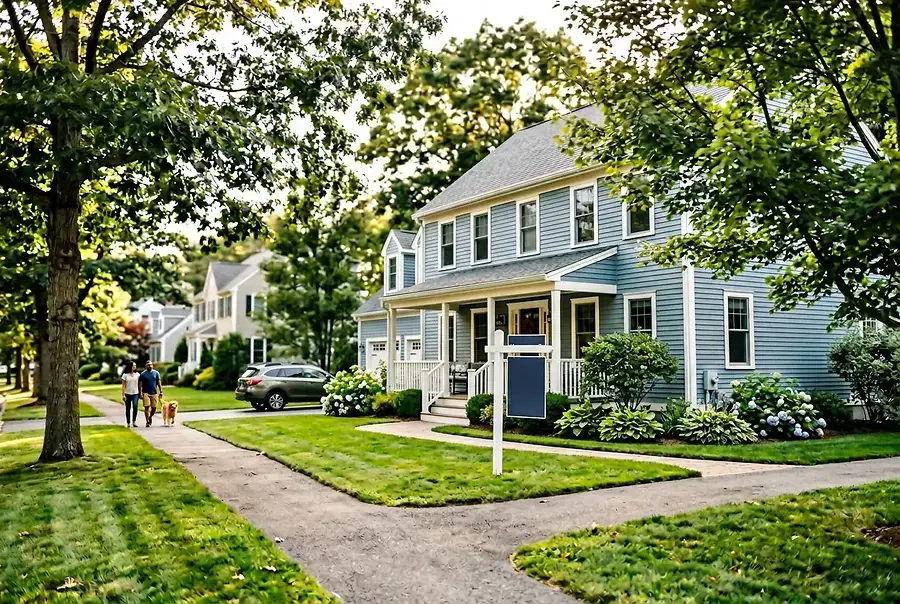
Many Southern New Hampshire communities feature well-established residential neighborhoods with mature trees, established schools, and strong community identities. These areas appeal to families and offer a balance between suburban convenience and neighborhood character. Pricing in these segments should reflect the quality of schools, community amenities, and neighborhood stability.
Rural and Scenic Communities
Southern New Hampshire also includes more rural, scenic communities that attract buyers seeking space, privacy, and natural beauty. Properties in these areas may include larger lots, acreage, and access to outdoor recreation. Pricing should reflect these unique features while remaining competitive within the rural market segment.
Key Factors That Influence Home Values in Your Neighborhood
Comparable Sales Analysis
The foundation of competitive pricing is a thorough analysis of comparable sales—homes similar to yours that have sold recently in your area. Work with a real estate professional to identify at least 3-5 comparable properties that have sold within the last 90 days. Consider:
- Square footage and lot size
- Age and condition of the home
- Number of bedrooms and bathrooms
- Special features (pools, garages, renovations)
- Location within the neighborhood
School District Quality
School district ratings significantly impact home values in Southern New Hampshire. Families with children often prioritize excellent schools and are willing to pay a premium for homes in top-rated districts. Research your local school district's performance metrics and consider how this affects your home's value.
Neighborhood Amenities and Accessibility
Proximity to parks, shopping centers, restaurants, and major highways influences buyer interest and pricing. Homes within walking distance of amenities or with easy highway access typically command higher prices. Document these features and their distance from your property.
Home Condition and Updates
The physical condition of your home is paramount. Recent renovations, updated systems, and well-maintained properties justify higher prices. Be honest about necessary repairs or updates, as buyers will discover these issues during inspection. Consider making strategic improvements before listing if they'll increase your home's value.
Market Timing and Inventory Levels
Southern New Hampshire's real estate market fluctuates seasonally and based on broader economic conditions. When inventory is low and demand is high, you may be able to price more aggressively. Conversely, in a buyer's market with high inventory, competitive pricing becomes even more critical. Monitor current market conditions in your specific community.
Unique Features and Character
Special features such as hardwood floors, fireplaces, updated kitchens, outdoor living spaces, or architectural charm can justify premium pricing. Highlight these distinctive elements in your pricing strategy and marketing materials. However, ensure that unique features align with buyer preferences in your neighborhood.
Property Size and Lot Characteristics
In Southern New Hampshire, lot size and property characteristics vary significantly. Larger lots, privacy, views, and mature landscaping can add substantial value. Conversely, smaller lots or properties with challenging terrain may require more competitive pricing to attract buyers.
Conclusion: Setting Your Home Up for Success
Pricing your Southern New Hampshire home competitively requires research, honesty, and strategic thinking. By understanding your local market segment, analyzing comparable sales, and considering the key factors that influence value in your neighborhood, you'll be well-positioned to attract serious buyers and achieve a successful sale.
Remember: Your real estate agent should provide a comprehensive Comparative Market Analysis (CMA) to support your pricing decision. Don't rely solely on online estimates—these tools often lack the nuanced understanding of local market conditions that experienced professionals possess.
The goal isn't necessarily to get the highest possible price, but rather to price your home in a way that attracts qualified buyers quickly while maximizing your net proceeds. In Southern New Hampshire's diverse 23-community market, that balance is the key to success.
"The best price is the one that gets your home sold to the right buyer at the right time. Price it right, and everything else follows."