How to Read and Use Property Inspection Reports to Your Advantage
Learn what inspectors look for and how to use inspection findings to negotiate repairs or credits with sellers.

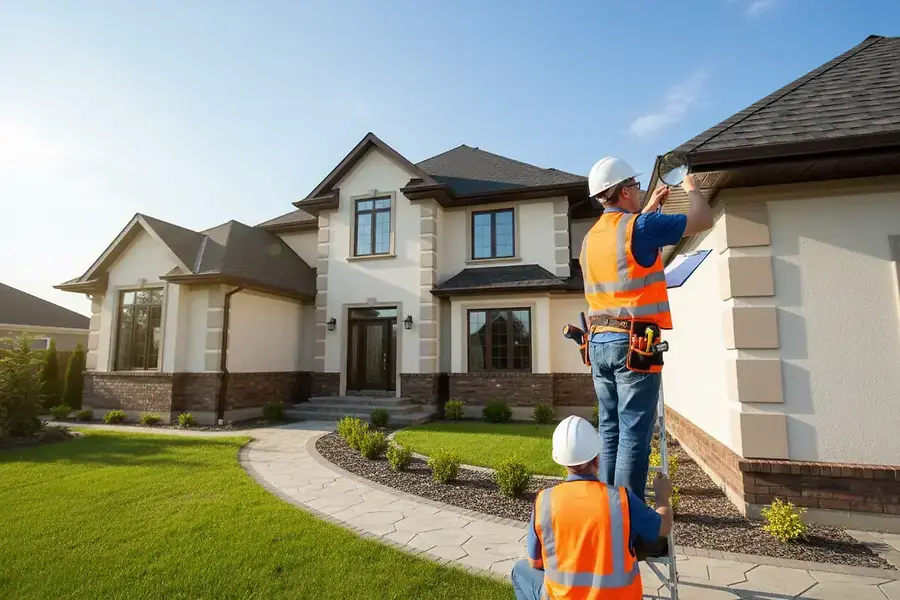
Why Property Inspections Matter in Your Purchase
A property inspection is one of the most critical steps in the home buying process. Before committing to one of the largest purchases of your life, a professional inspector provides an objective assessment of the property's condition. This detailed report becomes your roadmap for understanding what you're actually buying and where potential problems may exist.
Many buyers view inspections as a formality, but savvy purchasers recognize them as a powerful negotiation tool. The findings in an inspection report can directly impact your final purchase price, the terms of your sale, and your long-term satisfaction with the property. Understanding how to read and use these reports effectively can save you thousands of dollars and prevent costly surprises after closing.
What a Professional Inspector Examines During a Home Inspection
Structural Components
Professional inspectors begin by evaluating the foundation, walls, and overall structural integrity of the home. They look for signs of settling, cracks, water damage, and any issues that could compromise the building's stability. The foundation is particularly important, as repairs can be extremely expensive.
Roofing and Exterior
Inspectors examine the roof's condition, including shingles, flashing, and gutters. They also assess the exterior walls, windows, doors, and siding for damage, deterioration, or poor maintenance. These elements protect your home from the elements and are crucial for preventing water intrusion.
Electrical and Plumbing Systems
A thorough inspection includes checking the electrical panel, wiring, outlets, and switches for safety and code compliance. Plumbing systems are evaluated for leaks, water pressure, drainage issues, and the condition of pipes. Both systems are essential for daily living and can be costly to repair or replace.
HVAC Systems
The heating, ventilation, and air conditioning systems are tested for proper operation and efficiency. Inspectors note the age of equipment and identify any maintenance issues that may require attention soon.
Interior Features
Inspectors examine walls, ceilings, floors, and insulation. They check for water stains, mold, pest damage, and other interior concerns. Appliances are tested to ensure they function properly, though their condition is typically noted separately.
How to Interpret Common Issues Found in Inspection Reports
Understanding the Report Format
Most inspection reports categorize findings by severity: critical issues that pose safety risks, major concerns that require significant repairs, and minor issues that are cosmetic or routine maintenance items. Understanding these categories helps you prioritize which findings matter most.
Critical Issues to Address
Critical findings typically include:
- Structural damage or foundation problems
- Electrical hazards or code violations
- Plumbing failures or sewage issues
- Roof leaks or significant deterioration
- Mold or asbestos presence
- HVAC system failures
These issues must be addressed before purchase, as they affect safety and livability. Don't overlook critical findings—they're red flags that require immediate attention.
Major Concerns Worth Negotiating
Major issues include aging systems nearing the end of their lifespan, significant water damage, pest infestations, or substantial repairs needed. While not immediately dangerous, these problems will require investment soon after purchase. These are excellent negotiation points with sellers.
Minor Issues and Maintenance Items
Minor findings might include caulking needs, paint touch-ups, or routine maintenance. While worth noting, these typically don't warrant significant negotiation unless they're numerous or indicate poor overall maintenance.
Using Inspection Results to Negotiate Better Terms and Protect Your Investment
Request Repairs from the Seller
After receiving the inspection report, you can request that the seller complete repairs before closing. This is most effective for critical and major issues. Provide the seller with the inspection report and a list of specific repairs you're requesting. Be reasonable in your requests—sellers are more likely to agree to necessary repairs than cosmetic improvements.
Negotiate a Price Reduction
If the seller won't make repairs, negotiate a credit or price reduction to cover the cost of repairs yourself. This approach gives you control over the work quality and contractor selection. Calculate realistic repair costs and use these figures to support your negotiation position.
Request a Repair Escrow
For items that can't be completed before closing, consider requesting that funds be held in escrow to ensure repairs are completed after purchase. This protects you while allowing the transaction to proceed.
Walk Away if Necessary
If inspection findings reveal extensive problems that would require major investment, you have the right to walk away. Most purchase agreements include an inspection contingency that allows you to terminate the deal if significant issues are discovered. Don't let emotions override logic—if the numbers don't work, it's better to find another property.
Plan for Future Maintenance
Even if you negotiate repairs, use the inspection report to plan your maintenance budget. Understanding the age and condition of major systems helps you prepare for future replacements. A roof with 10 years of life remaining, for example, should be budgeted for replacement within that timeframe.
Get a Second Opinion
For critical or expensive findings, consider hiring a specialist to provide a second opinion. A structural engineer, electrician, or plumber can confirm the severity of issues and provide more detailed repair estimates. This information strengthens your negotiating position.
The inspection report is your voice during negotiations. Use it strategically to protect your investment and ensure you're making an informed decision about one of life's biggest purchases.
Document Everything
Keep copies of the inspection report, all communications with the seller regarding repairs, and any agreements made. This documentation protects you and ensures clarity about what was negotiated and agreed upon before closing.
A property inspection report is far more than a formality—it's a powerful tool that empowers you to make informed decisions and negotiate favorable terms. By understanding what inspectors examine, how to interpret their findings, and how to use results strategically, you can protect your investment and ensure you're getting fair value for your money. Take the time to thoroughly review your inspection report and use it to your advantage.