How to Stage Your Home to Attract Serious Buyers and Close Sales Faster
Proven techniques to showcase your property's best features and increase offers in today's competitive market.

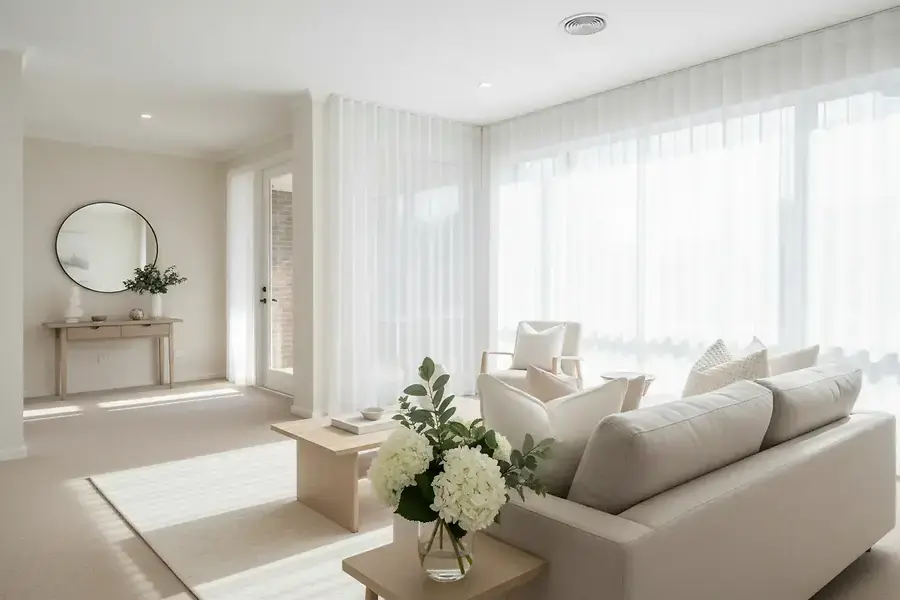
Why Home Staging Matters in Residential Sales
In today's competitive real estate market, first impressions are everything. Home staging is the strategic art of preparing your property to appeal to the widest range of potential buyers. When done correctly, staging can significantly reduce the time your home spends on the market and increase the likelihood of receiving multiple offers at or above your asking price.
Research shows that staged homes sell faster and for more money than unstaged properties. Buyers are looking for homes where they can envision themselves living, and staging helps them see the full potential of your space. Whether you're selling in an urban apartment or a suburban family home, the principles of effective staging remain consistent: highlight strengths, minimize weaknesses, and create an emotional connection with prospective buyers.
Decluttering, Depersonalizing, and Creating Emotional Connections
The Power of Decluttering
Before you can stage effectively, you must declutter. Remove excess furniture, personal items, and anything that doesn't serve a purpose in each room. A cluttered home makes spaces feel smaller and distracts buyers from the property's actual features. Start by going through every closet, shelf, and corner of your home.
- Remove 30-50% of your belongings – This creates a sense of spaciousness and allows buyers to focus on the home itself
- Organize what remains – Use storage solutions to keep items neat and out of sight
- Clear kitchen countertops – Keep only essential appliances visible
- Minimize bedroom furniture – A bedroom should feel like a peaceful retreat, not a storage unit
Depersonalizing Your Space
While your family photos and personal collections mean the world to you, they can actually hinder a buyer's ability to imagine themselves in your home. Depersonalization doesn't mean making your home feel cold—it means creating a neutral canvas that allows buyers to project their own lifestyle onto the space.
- Remove family photos – Pack away pictures of you and your loved ones
- Store collections and memorabilia – Hobby collections, awards, and sentimental items should be boxed up
- Neutralize wall colors – Consider repainting bold accent walls in soft, neutral tones
- Tone down religious or political items – These can create unintended barriers with certain buyers
Creating Emotional Connections
The goal of staging is to help buyers emotionally connect with your home. This means creating inviting, warm spaces that feel like homes, not showrooms. Balance neutrality with comfort by incorporating tasteful décor, fresh flowers, and pleasant scents.
Pro tip: Fresh-baked cookies or subtle vanilla scents can create positive emotional associations. Ensure your home is impeccably clean before every showing—cleanliness is non-negotiable when creating that emotional connection.
Lighting, Color, Furniture Arrangement, and Curb Appeal
Mastering Lighting
Lighting is one of the most underutilized tools in home staging. Poor lighting can make even beautiful spaces feel gloomy and uninviting. Maximize natural light by opening curtains and blinds during showings. For evening viewings, strategically place lamps throughout the home to create warm, welcoming ambiance.
- Clean all windows and light fixtures to maximize brightness
- Replace dim bulbs with brighter, energy-efficient LED options
- Use layered lighting—overhead lights, table lamps, and accent lighting
- Ensure entryways and hallways are well-lit to guide buyers through the home
Strategic Color Choices
Color psychology plays a significant role in how buyers perceive your home. While you may love bold jewel tones or dramatic accent walls, neutral colors appeal to a broader audience and make spaces feel larger and more serene.
- Walls: Stick with soft whites, beiges, grays, and warm creams
- Accents: Use neutral décor with pops of color through easily removable items like pillows and artwork
- Bathrooms: Keep tiles and fixtures neutral; add color through towels and accessories
- Kitchens: Neutral cabinetry and countertops are safest; update hardware for a modern touch
Furniture Arrangement
How you arrange furniture dramatically impacts how buyers perceive space and flow. Less is more when it comes to staging furniture. Remove oversized pieces that make rooms feel cramped, and arrange remaining furniture to highlight the room's best features and natural traffic flow.
- Create conversation areas in living rooms with properly spaced seating
- Ensure bedrooms have space to walk around the bed comfortably
- Don't block windows or architectural features with furniture
- Use area rugs to define spaces and create visual interest
Enhancing Curb Appeal
Your home's exterior is the first thing buyers see, and it sets the tone for their entire visit. Curb appeal is absolutely critical to attracting serious buyers who will even step foot inside your home.
- Landscaping: Trim bushes, mow the lawn, and plant colorful flowers near the entrance
- Front door: Paint it a welcoming color, add a new wreath, and ensure hardware is polished
- Exterior maintenance: Power wash the driveway, clean windows, and repair any visible damage
- Lighting: Install uplighting on landscaping and ensure the porch is well-lit
- Entrance: Add a new doormat, planters with fresh flowers, and ensure the address is clearly visible
Turning Showings Into Offers
Effective home staging is an investment that pays dividends. By decluttering and depersonalizing your space, you create a blank canvas where buyers can imagine their future. Strategic lighting, neutral colors, and thoughtful furniture arrangement showcase your home's best features and maximize perceived space. Enhanced curb appeal ensures that buyers are excited to walk through your front door.
The combination of these proven staging techniques creates an environment where serious buyers feel emotionally connected to your property. When buyers can envision themselves living in your home, they're more likely to make competitive offers and move quickly through the purchasing process.
Remember: Home staging isn't about deceiving buyers—it's about presenting your home in its absolute best light. By following these strategies, you'll attract more qualified buyers, receive higher offers, and close your sale faster. In a competitive market, staging isn't a luxury—it's a necessity for success.


