How to Stage Your Home to Sell Faster and Command Higher Offers
Discover proven staging techniques that help residential properties attract more qualified buyers and maximize profit.

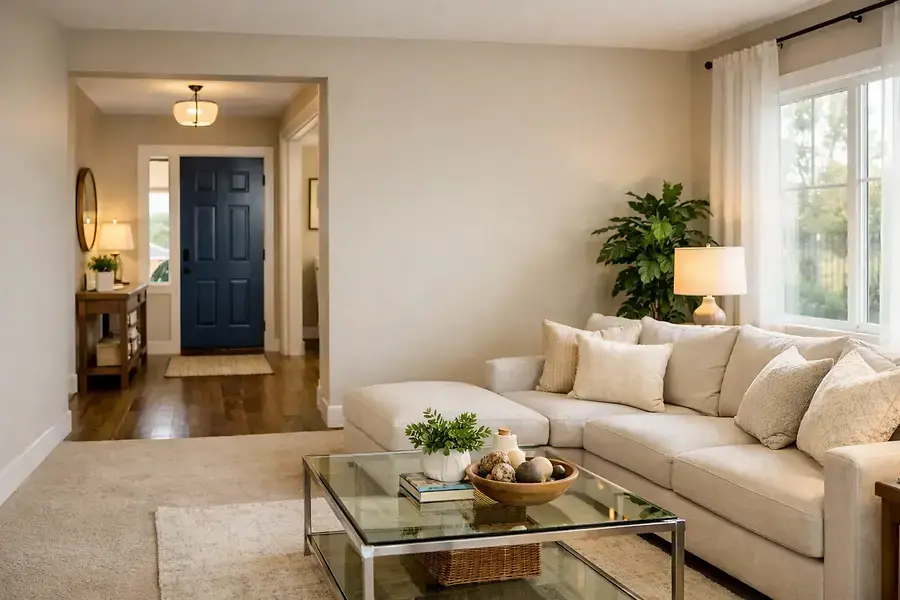
Introduction: Why Home Staging Matters in Today's Competitive Market
In today's competitive real estate market, first impressions are everything. Home staging has become an essential tool for sellers looking to stand out from the competition and maximize their property's value. When potential buyers walk through your door, they're not just evaluating the physical structure—they're imagining their future in that space.
Staging is the art of presenting your home in its best possible light, strategically arranging furniture, decluttering spaces, and enhancing visual appeal to help buyers envision themselves living there. Properties that are properly staged sell faster and often command significantly higher offers than unstaged homes. In fact, homes that are staged can sell for 5-10% more than their unstaged counterparts.
Whether you're a first-time seller or a seasoned investor, understanding the fundamentals of home staging can make the difference between a quick sale at top dollar and a property that lingers on the market.
Essential Staging Strategies: Curb Appeal, Interior Layout, and Lighting
Curb Appeal: Make a Powerful First Impression
The exterior of your home is the first thing potential buyers see, and you never get a second chance to make a first impression. Curb appeal is crucial and sets the tone for the entire showing experience.
- Paint the front door a welcoming color that complements your home's exterior
- Ensure the landscaping is well-maintained with trimmed bushes and fresh mulch
- Power wash the driveway, walkway, and exterior walls to remove dirt and grime
- Add potted plants and flowers near the entrance for a fresh, inviting feel
- Ensure all outdoor lighting is functional and creates a warm ambiance
- Remove any clutter from the porch or entryway
Interior Layout: Create Flow and Spaciousness
Once buyers step inside, the layout and flow of your home become paramount. Strategic furniture arrangement can make spaces feel larger and more functional.
- Remove excess furniture to create an open, airy feeling in each room
- Arrange furniture to define spaces and highlight the room's purpose
- Ensure clear pathways through each room for easy navigation
- Position furniture away from walls to create a more inviting layout
- Use area rugs to define living spaces and add warmth
- Keep the kitchen uncluttered with minimal countertop items
Lighting: Brighten Your Home's Potential
Proper lighting can dramatically transform how buyers perceive your home. Natural light is ideal, but strategic artificial lighting is equally important.
- Open all curtains and blinds to maximize natural light during showings
- Replace dim light bulbs with brighter, energy-efficient LED options
- Add table lamps and floor lamps to create warm, inviting spaces
- Ensure all light fixtures are clean and in working order
- Use accent lighting to highlight architectural features or artwork
- Avoid harsh overhead lighting; opt for layered lighting instead
Common Staging Mistakes Sellers Make and How to Avoid Them
Over-Personalizing Your Space
While your home is filled with personal memories and meaningful décor, buyers need to envision their own lives in the space. Remove family photos, personalized artwork, and overly distinctive décor that might distract from the home's features.
Neglecting Cleanliness and Maintenance
A clean home is a sold home. Dust, clutter, and visible wear-and-tear send negative signals to buyers. Deep clean every room, including often-overlooked areas like baseboards, ceiling fans, and light fixtures. Fix any visible maintenance issues before showings.
Ignoring Odors
Unpleasant smells can be a major turn-off. Eliminate pet odors, cooking smells, and musty scents by opening windows, using subtle air fresheners, or baking cookies before showings. A fresh-smelling home creates a positive emotional response.
Overcrowding Rooms with Furniture
Too much furniture makes spaces feel cramped and small. Remove unnecessary pieces to create an open, spacious feel. Remember: less is more when it comes to staging.
Poor Color Choices
Bold, trendy wall colors might appeal to you, but they can deter potential buyers. Stick with neutral, warm tones like beige, soft gray, or warm white that appeal to a broader audience and allow buyers to imagine their own color schemes.
Forgetting About the Bathroom
Bathrooms are deal-breakers for many buyers. Ensure bathrooms are spotless, well-lit, and organized. Replace old shower curtains, add fresh towels, and consider updating hardware for a modern touch.
Conclusion: Transform Your Home into a Buyer's Vision
Home staging is an investment that pays dividends. By focusing on curb appeal, optimizing interior layouts, and enhancing lighting, you create an environment where buyers can envision their future. Avoiding common staging mistakes ensures your home presents its absolute best self.
The goal of staging isn't to deceive—it's to highlight your home's strengths and help buyers see its full potential. When done correctly, staging accelerates the selling process, attracts more qualified buyers, and ultimately leads to higher offers.
Whether you choose to stage your home yourself or hire a professional stager, the investment is worth it. Your home is likely one of your most valuable assets. Taking the time to present it beautifully can result in thousands of dollars in additional profit and a faster sale.
Transform your home into a buyer's vision, and watch as offers come rolling in.


