Increase Your Home's Resale Value With Strategic Upgrades and Improvements
Learn which home improvements deliver the best return on investment and attract serious buyers.

Introduction: Understanding What Drives Home Values
When you decide to sell your home, every dollar counts. The difference between a quick sale at full asking price and a prolonged listing with price reductions often comes down to one critical factor: strategic home improvements. Buyers today are more informed than ever, and they know exactly what they're looking for in a property.
The key to maximizing your home's resale value isn't about making every possible upgrade—it's about making smart choices. Not all renovations deliver equal returns on investment. Some improvements can recoup 80-100% of their costs, while others barely break even. Understanding this distinction is essential before you pick up a hammer or call a contractor.
In this guide, we'll explore which home improvements attract serious buyers, deliver strong financial returns, and genuinely increase your property's market value.
High-ROI Home Improvements That Buyers Want Most
Kitchen Renovations
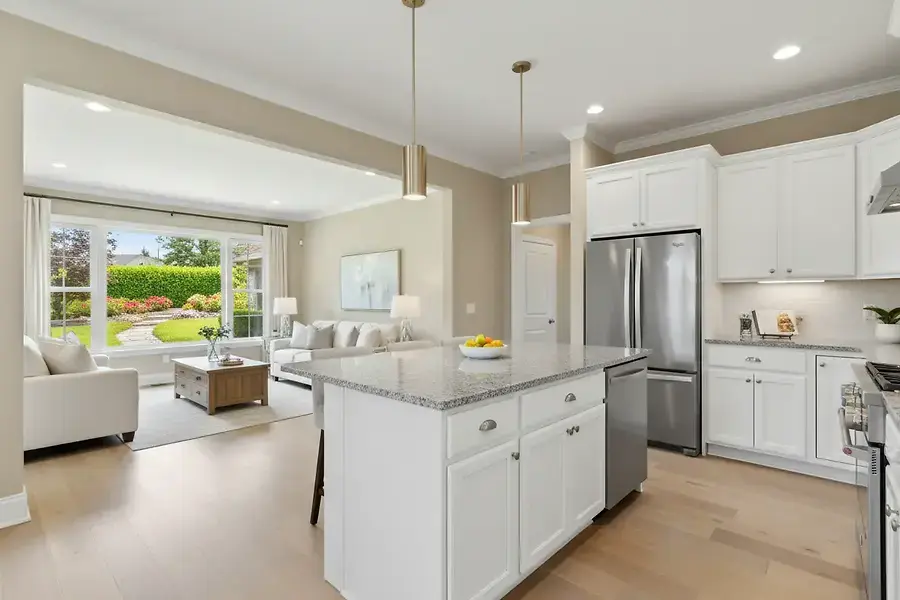
The kitchen remains the heart of the home, and it's often the first space buyers evaluate. A well-executed kitchen upgrade can return 50-80% of your investment. Focus on:
- Replacing outdated cabinets with modern, functional designs
- Installing quality countertops (granite, quartz, or butcher block)
- Upgrading to energy-efficient appliances with stainless steel finishes
- Improving lighting with contemporary fixtures
- Updating the backsplash for visual appeal
Pro tip: You don't need a complete gut renovation. Strategic updates that modernize the space without breaking the bank often deliver better ROI than luxury upgrades.
Bathroom Improvements
Bathrooms are another high-priority area for buyers. A primary bathroom renovation can return 50-70% of costs, while a guest bathroom update typically returns 40-60%. Consider:
- Replacing old fixtures with modern, water-efficient options
- Updating tile work and flooring
- Installing new lighting and mirrors
- Repainting and recaulking for a fresh appearance
Energy-Efficient Upgrades
Today's buyers care about utility costs and environmental impact. Energy-efficient improvements offer excellent ROI while reducing monthly expenses:
- HVAC Systems: A new, efficient heating and cooling system can return 50-80% of investment
- Windows and Doors: Energy-efficient replacements return 40-70% and improve curb appeal
- Insulation: Upgrading attic and wall insulation is cost-effective and returns 50-100%
- Solar Panels: While expensive upfront, solar installations increasingly attract eco-conscious buyers
Curb Appeal and Exterior Work
First impressions matter enormously. Buyers form opinions before stepping inside, making exterior improvements crucial:
- Fresh exterior paint (returns 50-80%)
- New roof or roof repairs (returns 60-80%)
- Landscaping and lawn care (returns 40-60%)
- New front door and hardware (returns 50-80%)
- Driveway repairs or replacement (returns 40-60%)
Flooring Upgrades
Quality flooring significantly impacts buyer perception. Hardwood floors, luxury vinyl plank, and quality tile all return 40-80% of investment. Avoid trendy options that may feel dated quickly—stick with timeless choices.
Strategic Upgrades vs. Cosmetic Changes: Know the Difference
What Makes an Upgrade "Strategic"?
Strategic upgrades address functional needs while improving aesthetics. They solve problems that buyers identify during inspections and increase the home's overall appeal. These improvements:
- Fix structural or mechanical issues
- Modernize outdated systems
- Improve energy efficiency
- Enhance safety and functionality
- Appeal to a broad range of buyers
The Cosmetic Changes Trap
Cosmetic improvements—like trendy paint colors, decorative wallpaper, or highly personalized design choices—rarely deliver strong ROI. While they make your home feel fresh to you, they often turn off buyers who envision different styles. Avoid investing heavily in:
- Bold or unusual paint colors (stick with neutral tones)
- Expensive decorative elements tied to personal taste
- Luxury upgrades in lower-value neighborhoods
- Niche improvements that don't appeal broadly
- Trendy finishes that may feel dated quickly
The Balance: Making Smart Choices
The best approach combines strategic improvements with tasteful cosmetic touches. Invest substantially in: kitchens, bathrooms, roofing, HVAC systems, and energy efficiency. Spend moderately on: paint, landscaping, lighting, and hardware. This balanced approach maximizes ROI while ensuring your home appeals to serious buyers.
Timing and Prioritization
If you're planning to sell within the next year, prioritize improvements that deliver the highest ROI and address obvious deficiencies. If you have more time, spread projects across multiple seasons to manage costs and stress. Always get professional inspections before major work—addressing issues proactively prevents buyer concerns during negotiations.
Conclusion: Preparing Your Home for Market Success
Increasing your home's resale value doesn't require a complete overhaul. Instead, it demands strategic thinking about which improvements genuinely attract buyers and deliver financial returns. Focus on the fundamentals: a modern, functional kitchen; updated bathrooms; energy-efficient systems; and strong curb appeal.
Remember that the goal isn't perfection—it's creating a home that feels well-maintained, move-in ready, and worth the asking price. Buyers want to envision themselves living in your space, and strategic improvements help them do exactly that.
Before starting any project, research your local market, consult with real estate professionals, and prioritize improvements that address your home's specific weaknesses. With thoughtful planning and smart investments, you'll maximize your home's market appeal and achieve the best possible sale price.


