Indiana Home Inspections: What Every Buyer Needs to Know Before Closing
Protect your investment by understanding the critical inspection items that reveal a property's true condition and potential hidden costs.

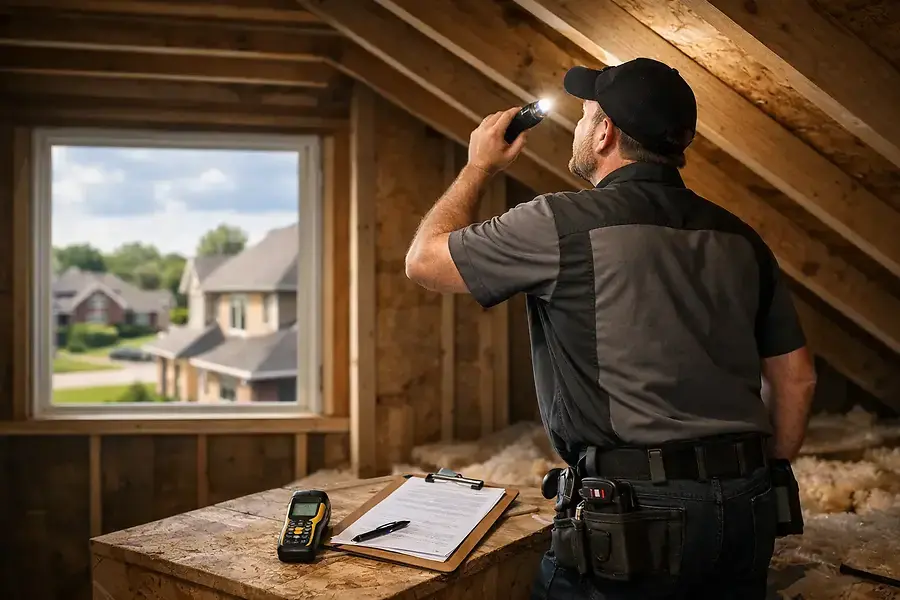
Why Home Inspections Matter in Indiana
Purchasing a home is one of the most significant financial decisions you'll make in your lifetime. In Indiana, where properties range from historic Victorian homes to modern suburban developments, a professional home inspection is your safeguard against costly surprises. A thorough inspection reveals the true condition of a property, identifies potential safety hazards, and uncovers maintenance issues that could impact your investment for years to come.
Many Indiana buyers underestimate the value of a comprehensive home inspection. While it may seem like an additional expense, the inspection typically costs between $300 and $500 and can save you thousands in unexpected repairs. An inspector's detailed report provides you with leverage during negotiations and helps you make an informed decision about whether to proceed with the purchase.
Key Areas Inspectors Evaluate in Indiana Homes
Structural Integrity and Foundation
Indiana's climate, with its freeze-thaw cycles and variable soil conditions, can take a toll on home foundations. Inspectors carefully examine the foundation for cracks, settling, and water damage. They assess basement walls, crawl spaces, and the overall structural stability of the home. This is particularly important in older Indiana properties where foundation issues may have developed over decades.
Roofing and Exterior
The roof is your home's first line of defense against Indiana's weather. Inspectors evaluate:
- Shingle condition and remaining lifespan
- Flashing around chimneys and vents
- Gutters and downspout functionality
- Exterior siding, brick, and caulking
- Windows and door seals
A roof replacement can cost $8,000 to $15,000 or more, making this assessment critical to your purchasing decision.
Plumbing Systems
Indiana homes often feature a mix of older cast iron and galvanized pipes alongside modern PVC systems. Inspectors test water pressure, check for leaks, examine the water heater condition, and assess the septic or municipal sewer system. They look for signs of corrosion, improper grading, and potential water damage that could indicate hidden plumbing problems.
Electrical Systems
A safe electrical system is non-negotiable. Inspectors verify that the electrical panel is properly grounded, check for outdated wiring, and ensure outlets and switches function correctly. They identify any fire hazards, such as overloaded circuits or improper installations, which are especially common in older Indiana homes that may not have been updated to modern electrical codes.
HVAC and Climate Control
Indiana's cold winters and humid summers demand reliable heating and cooling systems. Inspectors evaluate furnace and air conditioning unit age, efficiency, and condition. They check ductwork for leaks and proper insulation, which directly impacts your utility bills and comfort levels.
Insulation and Ventilation
Proper insulation is essential for energy efficiency in Indiana's climate. Inspectors assess attic insulation levels, check for adequate ventilation to prevent moisture buildup, and identify areas where heat loss or air infiltration could increase your heating and cooling costs.
Common Issues Found in Indiana Properties and How to Address Them
Water Damage and Moisture Problems
Indiana's humid climate and seasonal rainfall make water intrusion a common concern. Inspectors frequently discover:
- Basement moisture and efflorescence (white mineral deposits)
- Roof leaks and water stains on ceilings
- Crawl space moisture issues
How to address it: Request that the seller address moisture issues before closing, or negotiate a credit toward repairs. Ensure proper grading around the foundation and install or repair gutters and downspouts.
Outdated Electrical Systems
Many Indiana homes, particularly those built before 1980, feature outdated electrical panels with insufficient capacity for modern appliances and devices. Aluminum wiring, which poses fire hazards, is also common in homes from the 1960s and 1970s.
How to address it: Budget for electrical upgrades, which typically range from $1,500 to $5,000 depending on the extent of work needed. This is a safety investment that shouldn't be postponed.
Aging Roofs and Gutters
Indiana's weather patterns cause roofs to age faster than in milder climates. Asphalt shingles typically last 15-20 years, and many Indiana homes have roofs approaching or exceeding this lifespan.
How to address it: If the roof is nearing the end of its life, negotiate a credit from the seller or plan for replacement within your first year of ownership. Request documentation of any recent repairs or maintenance.
HVAC System Age and Efficiency
Furnaces and air conditioning units typically last 15-20 years. Older systems are less efficient and more prone to breakdowns, particularly during Indiana's extreme seasonal temperatures.
How to address it: If the HVAC system is aging, obtain repair estimates and factor replacement costs into your offer. A new system can cost $5,000 to $10,000, but the energy savings may justify the investment.
Plumbing and Water Heater Issues
Older galvanized pipes corrode over time, reducing water pressure and water quality. Water heaters typically last 10-15 years and may need replacement soon after purchase.
How to address it: Request seller credits for necessary plumbing updates or water heater replacement. Budget approximately $1,500 to $3,000 for water heater replacement and $3,000 to $8,000 for significant plumbing work.
Using Inspection Results to Make Confident Offers
A professional home inspection report is a powerful negotiating tool. Once you receive the inspection results, you have several options:
- Request repairs: Ask the seller to fix identified issues before closing.
- Negotiate credits: Request a credit toward repairs you'll handle yourself.
- Renegotiate price: Use inspection findings to justify a lower offer price.
- Walk away: If major issues are discovered, you may choose to withdraw your offer, depending on your inspection contingency terms.
The key is understanding which issues are deal-breakers and which are manageable. Safety concerns—such as electrical hazards, structural problems, or mold—should be prioritized. Cosmetic issues or minor maintenance items are typically less critical.
Work closely with your real estate agent and inspector to prioritize concerns and develop a negotiation strategy. A detailed inspection report gives you the confidence to make an informed decision and protects your investment for years to come.
By understanding what inspectors evaluate and how to address common Indiana home issues, you'll be better equipped to navigate the home buying process and secure a property that meets your needs and budget.


