Indianapolis Home Selling: Pricing Your Property for Maximum Profit
Discover proven pricing strategies that help Indianapolis homeowners attract serious buyers and close deals faster.

Understanding Indianapolis's Current Real Estate Market Dynamics
The Indianapolis real estate market presents unique opportunities for homeowners looking to sell. Before setting a price, it's crucial to understand the current market conditions that directly impact your property's value. The market has shown steady growth with increasing buyer interest in the Indianapolis area, making it an excellent time to sell.
Market Trends and Buyer Behavior
Indianapolis has experienced consistent demand from both first-time homebuyers and investors. The city's affordable housing compared to national averages, combined with strong job growth in healthcare, technology, and manufacturing sectors, continues to attract new residents. Understanding these trends helps you position your home strategically.
Current buyer preferences in Indianapolis lean toward homes with updated kitchens, modern bathrooms, and energy-efficient features. Neighborhoods near downtown, Fountain Square, and areas with good school districts command premium prices. Recognizing what buyers value in your specific area is essential for pricing success.
Analyzing Comparable Sales Data
The foundation of accurate pricing begins with analyzing comparable sales, or "comps." Look at recently sold homes in your neighborhood with similar square footage, age, and condition. This data provides the most reliable baseline for your asking price.
- Recent Sales: Focus on homes sold within the last 3-6 months in your immediate area
- Active Listings: Monitor current homes on the market to understand competition
- Days on Market: Track how quickly similar homes are selling
- Price Per Square Foot: Calculate the average price per square foot for comparable properties
How to Price Your Home Competitively Without Leaving Money on the Table
The Goldilocks Principle of Pricing
Pricing your Indianapolis home requires finding the sweet spot—not too high to scare away buyers, but not too low to leave profit on the table. Overpricing is one of the most common mistakes homeowners make. A property priced 5-10% above market value can sit on the market for months, ultimately selling for less than if it had been priced correctly initially.
Conversely, underpricing means leaving thousands of dollars in potential profit. The key is pricing strategically based on solid data and your home's unique features.
Adjusting for Your Home's Unique Features
While comparable sales provide your baseline, your home's individual characteristics warrant adjustments. Consider these factors:
- Recent renovations and upgrades (kitchen, bathroom, roof, HVAC)
- Lot size and outdoor features (deck, patio, landscaping)
- Home condition and age of major systems
- Location desirability within your neighborhood
- Special features (hardwood floors, fireplace, basement finishing)
Each significant upgrade can justify a price increase of 3-7% depending on the market and feature quality. A newly renovated kitchen might add $15,000-$25,000 to your home's value, while updated flooring could add $5,000-$10,000.
The Importance of Professional Appraisals
While online estimates are helpful starting points, a professional appraisal provides an unbiased assessment of your home's value. Appraisers consider market conditions, property condition, and comparable sales to determine fair market value. This investment typically costs $300-$500 but can save you thousands in pricing mistakes.
Strategic Marketing and Presentation to Justify Your Asking Price
Curb Appeal and First Impressions
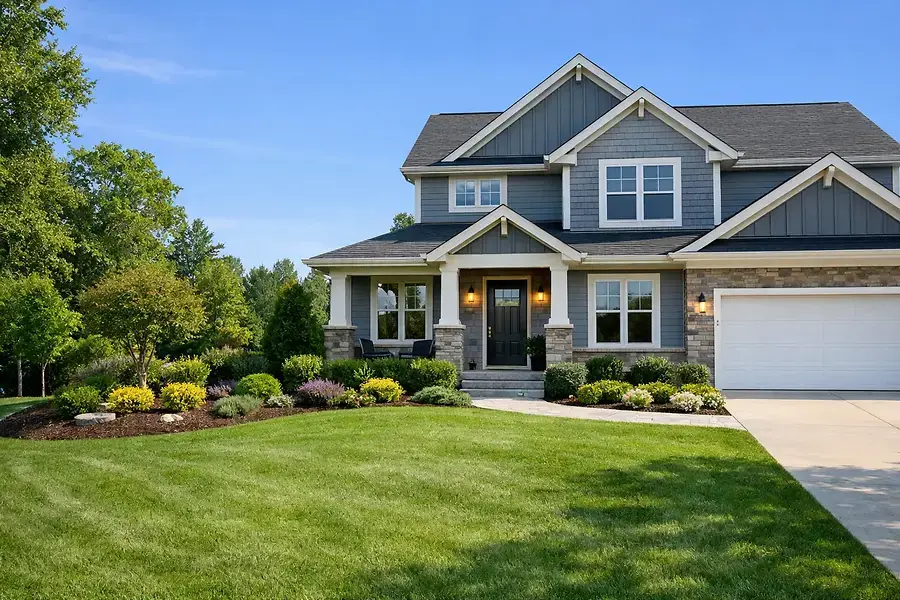
Your home's exterior is the first thing potential buyers see. Investing in curb appeal directly supports your asking price by creating a positive first impression. Fresh landscaping, a clean exterior, updated lighting, and an inviting entryway can justify a premium price.
Key curb appeal investments:
- Professional landscaping and lawn maintenance
- Fresh exterior paint or power washing
- Updated front door and hardware
- Improved outdoor lighting
- Seasonal decorations and planters
Interior Staging and Presentation
Strategic staging helps buyers envision themselves in your home and justifies your asking price. Declutter spaces, neutralize bold colors, and arrange furniture to highlight room flow and natural light. Professional staging can increase perceived value by 5-10%.
Focus on high-impact areas: the kitchen, master bedroom, and living spaces. Remove personal items and excessive furniture that makes rooms feel cramped. Clean, bright, and spacious-feeling homes command higher prices.
Professional Photography and Virtual Tours
In today's market, most buyers begin their search online. Professional photography showcasing your home's best features is non-negotiable. High-quality images justify your asking price by attracting more qualified buyers and reducing the likelihood of low-ball offers.
Virtual tours and 3D walkthroughs allow buyers to explore your home from anywhere, expanding your potential buyer pool. This technology particularly appeals to out-of-state relocators and serious investors.
Compelling Listing Description
Your listing description should highlight features that justify your price point. Rather than simply listing features, explain the benefits and lifestyle your home offers.
"Updated kitchen with granite countertops and stainless steel appliances" is good, but "Newly renovated chef's kitchen featuring premium granite countertops and professional-grade stainless steel appliances, perfect for entertaining" is better.
Conclusion: Positioning Your Indianapolis Home for Success
Pricing your Indianapolis home for maximum profit requires a combination of data analysis, strategic positioning, and professional presentation. Start with comprehensive market research and comparable sales analysis, adjust for your home's unique features, and invest in presentation that justifies your asking price.
Remember these key takeaways:
- Use recent comparable sales as your pricing foundation
- Avoid the temptation to overprice—it costs you money in the long run
- Invest in curb appeal and staging to justify your asking price
- Utilize professional photography and marketing materials
- Consider a professional appraisal for objective valuation
By following these proven strategies, you'll attract serious buyers, minimize time on market, and maximize your profit when selling your Indianapolis home. The real estate market rewards preparation and strategic thinking—position yourself for success today.


