Industrial Property Investment Strategies for Cincinnati and West Chester
Discover proven strategies for identifying and acquiring high-potential industrial properties in Ohio's fastest-growing commercial markets.

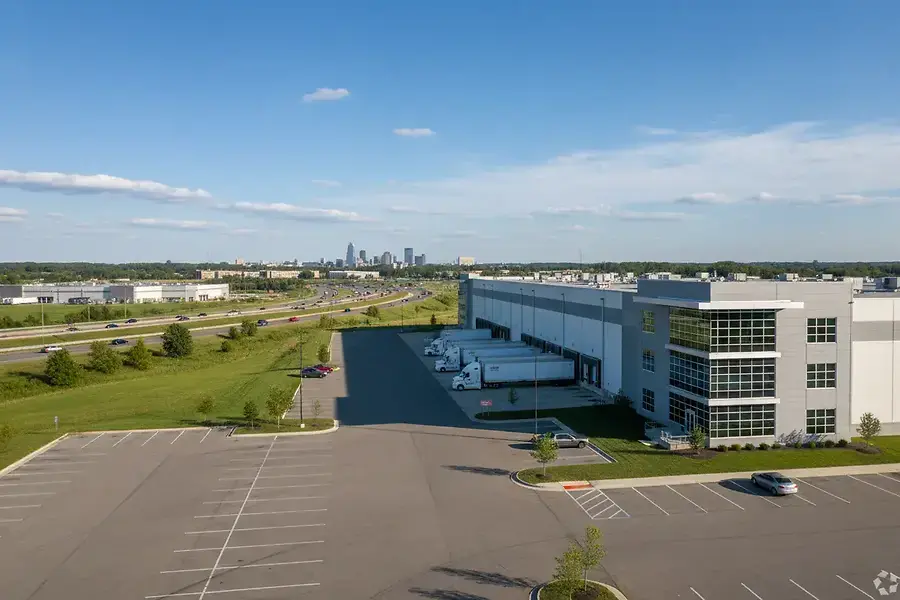
Introduction: The Growing Industrial Real Estate Opportunity in Cincinnati and West Chester
The industrial real estate market in Cincinnati and West Chester represents one of the most compelling investment opportunities in the Midwest. With strategic location advantages, robust infrastructure, and a thriving business ecosystem, these regions have become magnets for warehousing, manufacturing, and logistics operations. For savvy investors, the convergence of supply constraints and increasing demand creates a perfect storm of opportunity.
Cincinnati's position as a major transportation hub, combined with West Chester's proximity to major highways and growing commercial development, makes these markets increasingly attractive to institutional and individual investors alike. Whether you're a seasoned real estate professional or exploring your first industrial investment, understanding the dynamics of these markets is essential to success.
Understanding Market Fundamentals: Supply, Demand, and Location Advantages
The Supply and Demand Equation
Industrial properties in Cincinnati and West Chester are experiencing strong demand driven by e-commerce growth, supply chain reshoring, and the need for modern distribution facilities. Limited available land and existing inventory constraints have created favorable conditions for property owners and investors. This supply-demand imbalance typically translates to rising rents and property values, benefiting those who own quality assets.
The region's industrial vacancy rates remain competitive, with tenants actively seeking modern, well-located facilities. This tenant demand provides investors with multiple exit strategies and consistent income potential.
Strategic Location Advantages
Cincinnati and West Chester benefit from exceptional geographic positioning:
- Interstate Access: Proximity to I-75, I-71, and I-275 provides direct connections to major markets across the Midwest and Southeast
- Transportation Hub Status: Cincinnati's established role as a logistics center attracts major carriers and distribution companies
- Labor Market: Access to a skilled workforce and competitive labor costs compared to coastal markets
- Infrastructure Development: Ongoing investments in roads, utilities, and commercial amenities support industrial growth
- Business-Friendly Environment: Ohio's favorable tax policies and regulatory framework encourage business expansion
These location advantages create a sustainable competitive advantage that supports long-term property appreciation and tenant retention.
Market Growth Indicators
Recent economic data demonstrates strong fundamentals in the region. Job growth in logistics, manufacturing, and distribution sectors continues to outpace national averages. Major corporations have expanded operations or relocated facilities to the area, signaling confidence in the market's future. This institutional investment validates the opportunity for individual investors.
Key Investment Criteria: Property Selection, Tenant Quality, and Long-Term Returns
Property Selection Framework
Not all industrial properties are created equal. Successful investors apply rigorous selection criteria to identify assets with the highest return potential:
- Location Within the Market: Prioritize properties near major transportation corridors and employment centers. Properties with direct freeway access command premium rents and attract quality tenants
- Building Specifications: Modern facilities with 24-foot+ clear heights, column spacing suitable for racking, and adequate loading docks attract premium tenants and support higher rents
- Condition and Age: Well-maintained properties or recently constructed facilities require less capital expenditure and appeal to credit-worthy tenants
- Expansion Potential: Properties with additional land or expansion capabilities offer flexibility for tenant growth and future value creation
- Environmental Compliance: Ensure properties have clean environmental records and comply with all regulations to avoid costly remediation
Tenant Quality and Lease Structure
Tenant quality is perhaps the most critical factor in industrial property investment success. A single strong tenant can make or break an investment. Evaluate potential tenants based on:
"The best industrial investments are backed by creditworthy tenants with long-term lease commitments and growth trajectories aligned with market fundamentals."
- Credit Rating: Prioritize tenants with investment-grade credit or strong financial statements
- Industry Stability: Favor tenants in essential industries with proven resilience through economic cycles
- Lease Terms: Longer lease terms (5-10 years) provide income stability and reduce vacancy risk
- Rent Growth Provisions: Include annual escalations or CPI adjustments to protect against inflation
- Tenant Diversification: For multi-tenant properties, avoid over-concentration with any single tenant
Maximizing Long-Term Returns
Industrial property investments generate returns through multiple channels. Successful investors focus on:
- Stable Cash Flow: Industrial properties typically generate consistent, predictable rental income with lower tenant turnover than retail or office
- Capital Appreciation: Market fundamentals in Cincinnati and West Chester support steady property value growth
- Operational Efficiency: Minimize expenses through proactive maintenance, energy efficiency upgrades, and smart property management
- Value-Add Opportunities: Identify properties where strategic improvements, tenant upgrades, or lease restructuring can increase value
- Tax Benefits: Leverage depreciation deductions and other tax advantages available to real estate investors
Due Diligence and Risk Management
Thorough due diligence protects your investment and identifies potential issues before acquisition. Conduct comprehensive environmental assessments, structural inspections, and financial analysis. Verify tenant creditworthiness and review lease terms carefully. Understand local zoning regulations and any restrictions that might impact future use or value.
Conclusion: Taking Action in Your Local Commercial Real Estate Market
Cincinnati and West Chester represent exceptional opportunities for industrial property investors. The combination of strong market fundamentals, strategic location advantages, and growing tenant demand creates an environment where well-selected properties can deliver consistent returns and long-term appreciation.
Success in industrial real estate requires a disciplined approach to property selection, careful tenant evaluation, and a focus on long-term value creation. By applying the strategies outlined in this guide—understanding market dynamics, establishing clear investment criteria, and conducting thorough due diligence—you can position yourself to capitalize on these opportunities.
The time to act is now. As these markets continue to grow and mature, the best opportunities will be claimed by informed, decisive investors. Whether you're looking to diversify your portfolio, generate passive income, or build substantial wealth through real estate, industrial properties in Cincinnati and West Chester deserve serious consideration.
Take the first step today: research available properties, connect with local commercial real estate professionals, and begin building your industrial real estate portfolio in one of the Midwest's most dynamic markets.


