Industrial Property Investment Strategies for Irving, TX Market
Discover proven methods to identify, evaluate, and acquire high-performing industrial properties in the Irving market.

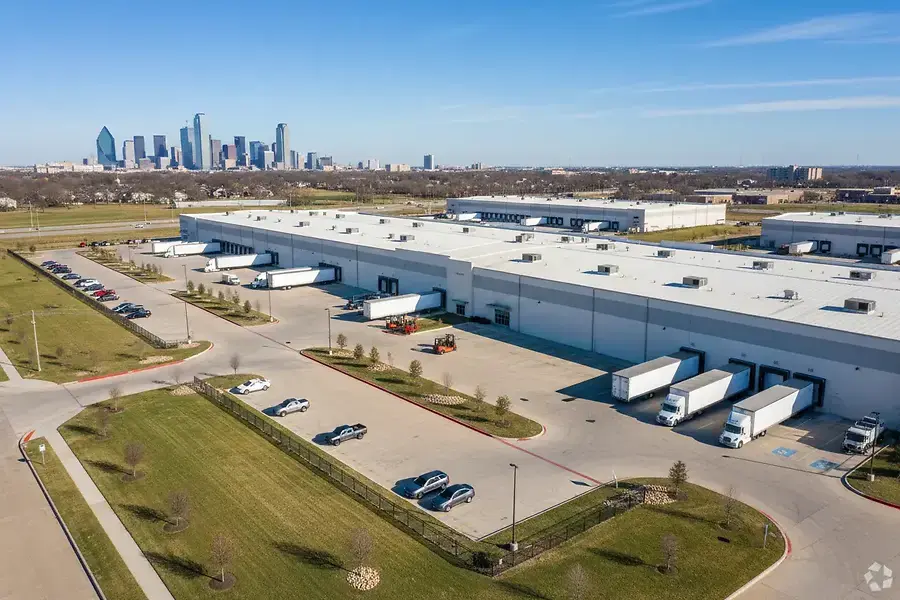
Introduction: The Growing Industrial Real Estate Opportunity in Irving
Irving, Texas has emerged as one of the most dynamic industrial real estate markets in the United States. Located in the heart of the Dallas-Fort Worth metroplex, Irving offers investors unprecedented opportunities to capitalize on the region's explosive growth and strategic positioning. The city's proximity to major transportation corridors, combined with its business-friendly environment, has attracted major corporations and logistics operators seeking prime industrial space.
For savvy investors, the Irving industrial market presents a compelling value proposition. Unlike residential real estate, industrial properties generate consistent cash flows through long-term tenant leases, often spanning 5-10 years or more. This stability, coupled with Irving's strong fundamentals, makes industrial property investment an attractive strategy for building long-term wealth.
Understanding Irving's Industrial Market Dynamics and Demand Drivers
Market Growth and Economic Factors
Irving's industrial sector has experienced remarkable growth driven by several key factors. The region's central location within Texas makes it a natural hub for distribution and logistics operations. Major corporations have established significant operations in Irving, creating sustained demand for warehouse, manufacturing, and flex space.
Key demand drivers include:
- E-commerce expansion requiring modern fulfillment centers and last-mile delivery hubs
- Manufacturing reshoring trends bringing production facilities back to North America
- Population growth in the Dallas-Fort Worth region supporting increased logistics demand
- Strategic location near major highways (I-35E, I-635) and Dallas-Fort Worth International Airport
- Business-friendly tax environment and regulatory framework
Tenant Profile and Lease Stability
Irving's industrial properties attract high-quality tenants ranging from Fortune 500 companies to emerging logistics providers. These tenants typically sign long-term leases with built-in rent escalations, providing investors with predictable income streams and inflation protection. The diversity of tenant base reduces concentration risk and enhances portfolio stability.
Key Metrics and Due Diligence Checklist for Industrial Property Evaluation
Essential Financial Metrics
Before acquiring any industrial property, investors must thoroughly analyze key financial indicators to ensure sound investment decisions.
Critical metrics to evaluate include:
- Cap Rate: Target properties with cap rates between 5-7% depending on property class and location
- Cash-on-Cash Return: Aim for 8-12% annual returns on invested capital
- Debt Service Coverage Ratio: Maintain minimum 1.25x ratio to ensure adequate cash flow for debt obligations
- Net Operating Income (NOI): Analyze historical NOI trends and project future performance based on market conditions
- Price per Square Foot: Compare against recent comparable sales to identify market value and investment opportunity
Property-Specific Due Diligence
A comprehensive evaluation extends beyond financial metrics to include physical and operational assessments.
Key due diligence items:
- Building Condition: Commission professional inspections to identify deferred maintenance, structural issues, or required capital improvements
- Tenant Quality: Review tenant creditworthiness, lease terms, and renewal probability. Prioritize properties with investment-grade tenants
- Location and Accessibility: Verify proximity to major transportation routes, labor markets, and customer bases. Assess traffic patterns and visibility
- Zoning and Compliance: Confirm proper zoning classification and verify compliance with environmental regulations and building codes
- Market Absorption Rates: Research local vacancy rates and absorption trends to understand supply-demand dynamics
- Parking and Yard Space: Evaluate adequacy of parking, loading docks, and outdoor storage areas for tenant operations
Strategic Acquisition Considerations
Successful industrial investors employ strategic approaches to identify and acquire properties that align with their investment objectives.
Proven acquisition strategies include:
- Off-Market Deals: Build relationships with brokers and property owners to access deals before public listing
- Value-Add Opportunities: Identify underperforming properties with potential for operational improvements or tenant upgrades
- Portfolio Acquisitions: Consider purchasing multiple properties from institutional sellers to achieve economies of scale
- Lease Renewal Timing: Target properties with upcoming lease expirations to renegotiate terms at higher market rates
- Distressed Situations: Monitor foreclosure and bankruptcy listings for potential acquisition opportunities at discounted valuations
Risk Management and Long-Term Planning
Prudent investors implement comprehensive risk management strategies to protect their capital and ensure sustainable returns.
Successful industrial property investment requires balancing aggressive growth strategies with conservative risk management practices. Diversification across property types, tenant industries, and geographic micro-markets strengthens portfolio resilience.
Essential risk management practices:
- Maintain adequate reserves for capital expenditures and unexpected repairs
- Diversify tenant base to reduce concentration risk from single-tenant properties
- Monitor market conditions and adjust rental rates competitively
- Implement proactive property management to maintain tenant satisfaction and retention
- Stay informed about regulatory changes affecting industrial operations
Conclusion: Building Long-Term Wealth Through Strategic Industrial Acquisitions
Irving's industrial real estate market offers compelling opportunities for investors seeking stable, income-producing assets. By understanding market dynamics, conducting thorough due diligence, and implementing strategic acquisition approaches, investors can build substantial wealth through industrial property ownership.
The key to success lies in combining rigorous financial analysis with operational expertise. Properties that meet strict evaluation criteria, feature quality tenants, and occupy strategic locations provide the foundation for long-term value creation. As Irving continues to grow as a regional economic hub, well-positioned industrial properties will increasingly appreciate in value while generating consistent cash flows.
Whether you're a seasoned real estate investor or exploring industrial property investment for the first time, Irving presents an exceptional market opportunity. By applying the strategies and evaluation frameworks outlined in this guide, you can identify high-performing properties that align with your investment goals and contribute meaningfully to your long-term wealth-building objectives.


