Industrial Property Trends Shaping Marshall's Business Growth
Discover how commercial industrial properties in Marshall, MN are evolving to meet modern business demands and create new investment opportunities.

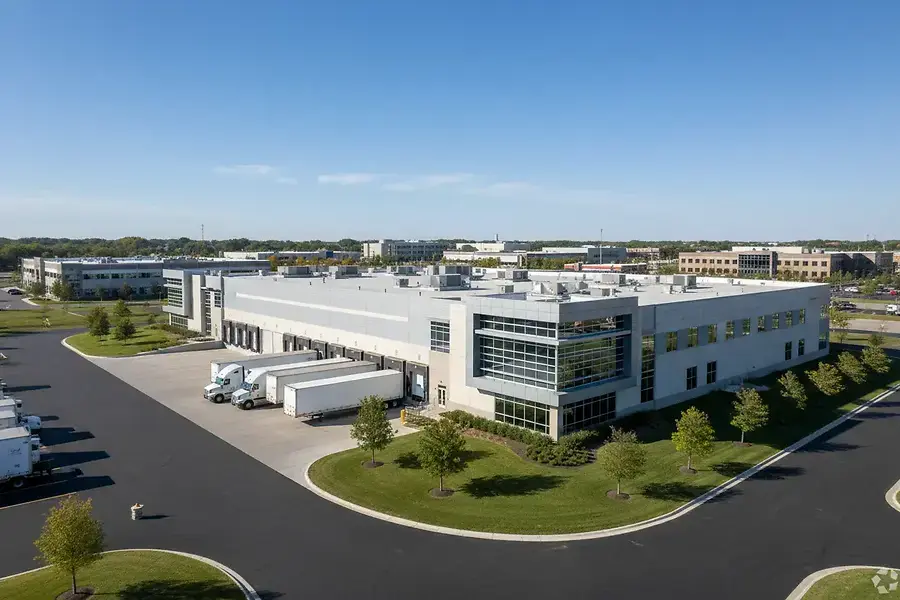
Understanding Marshall's Industrial Real Estate Market
Marshall, Minnesota has emerged as a strategic hub for industrial and commercial development in the region. The city's industrial real estate market is experiencing notable growth, driven by businesses seeking affordable, accessible locations with strong infrastructure and community support. Unlike larger metropolitan areas, Marshall offers competitive pricing, lower operational costs, and a business-friendly environment that attracts companies across various sectors.
The market has evolved significantly over recent years, with property owners and developers responding to changing business needs. Strategic location advantages, including proximity to major transportation corridors and regional markets, make Marshall an attractive destination for manufacturing, distribution, and logistics operations. This growth trajectory has created substantial opportunities for both business owners and real estate investors looking to capitalize on the region's expanding economic potential.
Market Dynamics and Growth Factors
Several factors contribute to Marshall's industrial property appeal. The region benefits from a skilled workforce, supportive local government policies, and reasonable utility costs. Additionally, the availability of developable land and existing industrial infrastructure provides flexibility for businesses of various sizes. Companies relocating from congested urban centers find Marshall's environment particularly attractive for establishing or expanding operations.
Key Property Features Modern Businesses Require Today
Today's industrial properties must meet demanding operational standards that reflect contemporary business practices. Understanding these requirements is essential for property owners, developers, and business operators planning investments or facility upgrades.
Infrastructure and Connectivity
Modern industrial facilities require robust infrastructure supporting seamless operations. High-speed internet connectivity, reliable power systems, and advanced telecommunications are no longer optional—they're essential. Businesses depend on these utilities for supply chain management, real-time inventory tracking, and remote operations coordination. Properties offering fiber-optic internet, backup power systems, and redundant connectivity options command premium value in today's market.
Flexible Space Design
Contemporary industrial properties emphasize adaptability. Businesses increasingly require open floor plans, adjustable ceiling heights, and modular layouts that accommodate evolving operational needs. Clear-span construction, minimal interior columns, and flexible partition systems allow companies to reconfigure spaces without major renovations. This flexibility extends facility lifespan and increases property value across multiple business applications.
Sustainability and Efficiency Features
Environmental responsibility and operational efficiency drive modern property design. Energy-efficient HVAC systems, LED lighting, proper insulation, and water conservation features reduce operational costs while meeting corporate sustainability goals. Properties incorporating green building principles attract environmentally conscious tenants and often qualify for tax incentives and rebates. These features represent long-term investments in property competitiveness and tenant satisfaction.
Safety and Compliance Standards
Industrial properties must meet rigorous safety and regulatory requirements. Adequate loading docks, proper ventilation systems, fire suppression infrastructure, and ADA compliance are fundamental. Properties demonstrating commitment to worker safety and regulatory adherence attract quality tenants and minimize liability concerns. Regular maintenance and upgrades ensure properties remain compliant with evolving safety standards.
How to Evaluate Industrial Properties for Your Business Needs
Selecting the right industrial property requires systematic evaluation across multiple dimensions. A comprehensive assessment ensures your investment or operational facility aligns with current and future business requirements.
Location and Accessibility Assessment
Evaluate proximity to major transportation routes, supplier networks, and customer markets. Consider traffic patterns, highway access, and logistics efficiency. Properties near interstate corridors or regional distribution hubs offer significant operational advantages. Assess local zoning regulations and future development plans that might affect property value or operational constraints.
Physical Property Evaluation
Conduct thorough inspections examining structural integrity, roof condition, foundation stability, and mechanical systems. Verify ceiling heights accommodate your equipment and operations. Assess parking capacity, loading dock functionality, and yard space for vehicle maneuvering. Professional inspections identify potential maintenance issues and help estimate future capital requirements.
Utility and Infrastructure Analysis
Verify utility capacity meets operational demands. Confirm electrical service capacity, water availability, and waste management systems. Test internet connectivity speeds and reliability. Evaluate backup power options and emergency systems. Inadequate utilities can severely limit operational efficiency and require expensive upgrades.
Financial Evaluation
Compare lease rates, purchase prices, and total cost of ownership across comparable properties. Factor in property taxes, insurance, maintenance costs, and utility expenses. Calculate return on investment considering property appreciation potential and operational savings. Negotiate terms that provide flexibility for business growth or contraction.
Positioning Your Business for Success in Marshall's Growing Market
Strategic positioning in Marshall's industrial market requires understanding competitive advantages and leveraging available resources effectively.
Leveraging Community Resources
Marshall offers valuable business support resources including workforce development programs, economic development incentives, and networking opportunities. Engage with local business organizations and economic development agencies to access grants, tax incentives, and technical assistance. These resources can significantly reduce startup costs and accelerate business growth.
Building Strategic Partnerships
Success in Marshall's market often depends on establishing strong local relationships. Connect with suppliers, service providers, and complementary businesses within the community. Collaborative relationships create operational efficiencies, reduce costs, and generate referral opportunities. Active participation in local business networks enhances visibility and credibility.
Investing in Property Upgrades
Property improvements directly impact operational efficiency and competitive positioning. Upgrading to modern infrastructure, implementing energy-efficient systems, and enhancing safety features attract quality employees and customers. These investments improve property value, reduce operational costs, and demonstrate commitment to excellence.
Staying Ahead of Market Trends
Monitor emerging industrial property trends and evolving business requirements. Stay informed about technological advances, regulatory changes, and market shifts. Properties that anticipate and adapt to changing needs maintain competitive advantages and attract premium tenants or buyers. Continuous improvement and strategic planning position businesses for sustained success in Marshall's dynamic market.
Marshall's industrial real estate market presents compelling opportunities for businesses and investors ready to capitalize on the region's growth trajectory. By understanding market dynamics, evaluating properties systematically, and positioning strategically, stakeholders can achieve significant success in this thriving community.