Industrial Property Valuation in Powell, Ashville, and Lewis Center
Master the key factors that determine commercial industrial property values in Ohio's fastest-growing business corridor.

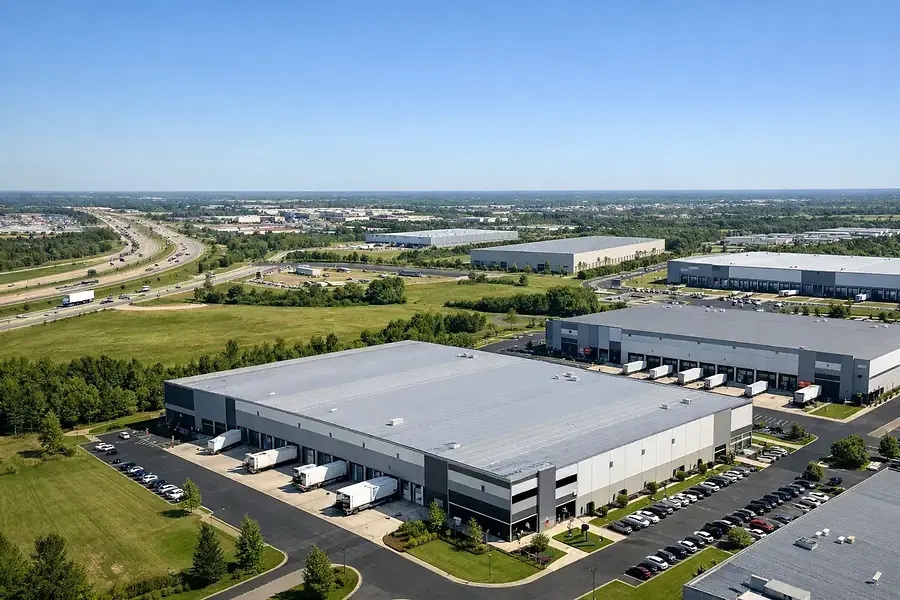
Understanding Industrial Property Valuation Fundamentals
Industrial property valuation is a specialized discipline that requires understanding multiple interconnected factors. Unlike residential properties, industrial real estate values are driven by income potential, operational efficiency, and long-term market trends. The valuation process typically involves three primary approaches: the income approach, the cost approach, and the market approach.
The income approach focuses on the property's ability to generate revenue through leasing or operational use. The cost approach evaluates the replacement cost of the building and improvements. The market approach compares similar properties that have recently sold in the area. Professional appraisers often use a combination of these methods to arrive at an accurate valuation.
Key Valuation Metrics
Understanding critical metrics is essential for property owners and investors. Net Operating Income (NOI) represents the property's profitability after accounting for operating expenses. Cap Rate (capitalization rate) indicates the return on investment, calculated by dividing NOI by property value. These metrics directly influence how buyers and lenders assess property worth.
- Net Operating Income (NOI)
- Capitalization Rate (Cap Rate)
- Price per Square Foot
- Occupancy Rates
- Tenant Quality and Lease Terms
Location and Market Factors Affecting Powell, Ashville, and Lewis Center Properties
Powell, Ashville, and Lewis Center represent Ohio's most dynamic industrial markets. These communities benefit from strategic positioning near major transportation corridors, including Interstate 270 and the Ohio Turnpike. This accessibility makes them attractive to manufacturers, logistics companies, and distribution centers seeking efficient supply chain operations.
Market Growth and Economic Drivers
The region has experienced significant economic expansion driven by diverse industries including advanced manufacturing, technology, and logistics. Population growth in the surrounding areas continues to fuel demand for industrial space. Companies are increasingly relocating to this corridor to capitalize on lower operational costs compared to coastal markets while maintaining excellent connectivity.
Proximity to major metropolitan areas like Columbus provides access to skilled labor pools and consumer markets. The region's business-friendly environment, competitive tax structures, and available workforce make it increasingly attractive to national and international companies.
Real Estate Market Trends
Industrial property values in this corridor have demonstrated resilience and growth. Vacancy rates remain competitive, and rental rates continue to appreciate. The demand for modern, efficient industrial space consistently outpaces supply, creating favorable conditions for property owners and investors.
- Strong tenant demand across multiple industries
- Limited available land for new development
- Increasing rental rates year-over-year
- High occupancy rates in quality properties
- Growing investor interest in the region
Building Specifications and Infrastructure Impact on Property Worth
The physical characteristics of industrial properties significantly influence their market value. Modern industrial facilities with high ceilings, clear span construction, and efficient layouts command premium prices. Properties built to current standards with updated mechanical, electrical, and plumbing systems are more attractive to tenants and appraisers.
Critical Building Features
Ceiling height is a primary consideration for industrial users. Properties with 24-32 feet of clear height accommodate modern racking systems and manufacturing equipment. Column spacing affects usable floor space and operational flexibility. Loading dock configuration and truck accessibility directly impact a property's functionality and rental potential.
Environmental compliance and building certifications enhance property value. Properties with energy-efficient systems, proper drainage, and environmental remediation documentation appeal to quality tenants and reduce operational risks.
Infrastructure and Utilities
Reliable access to utilities is fundamental to industrial property value. Properties with adequate electrical capacity, water supply, and waste management systems support diverse industrial operations. Parking availability and yard space for outdoor storage or equipment staging add significant value for many industrial users.
- Electrical capacity and three-phase power availability
- Water and sewer infrastructure
- Natural gas access
- Adequate parking and yard space
- Road access and truck routing capabilities
- Proximity to rail transportation (where applicable)
Positioning Your Industrial Property for Maximum Market Value
Strategic positioning enhances your property's appeal to potential tenants and buyers. Regular maintenance and proactive upgrades preserve and increase property value. Properties that demonstrate strong management practices and consistent tenant relationships command higher valuations.
Marketing and Tenant Relations
Effective property marketing highlights unique features and operational advantages. Professional property management, responsive maintenance, and fair lease terms attract quality tenants who provide stable, long-term income. Strong tenant relationships reduce vacancy periods and support property appreciation.
Documenting property improvements, lease agreements, and maintenance records creates a compelling narrative for appraisers and potential buyers. Transparent financial records demonstrating consistent NOI growth significantly enhance property valuation.
Strategic Improvements and Modernization
Targeted upgrades can substantially increase property value. HVAC system upgrades, roof replacements, and parking lot improvements demonstrate commitment to property quality. Modern security systems, LED lighting, and energy-efficient upgrades appeal to environmentally conscious tenants and reduce operational costs.
Consider the specific needs of your target market. Properties positioned for e-commerce and logistics operations may benefit from enhanced loading facilities and truck maneuvering space. Manufacturing-focused properties gain value from robust utility infrastructure and flexible floor plans.
Timing and Market Strategy
Understanding market cycles helps optimize your property's sale or refinancing timing. Monitor local economic indicators, new development projects, and tenant demand patterns. Properties positioned ahead of market trends—such as those near planned transportation improvements or emerging industrial parks—capture premium valuations.
Industrial property value in Powell, Ashville, and Lewis Center is fundamentally driven by location advantages, physical infrastructure, and market positioning. Success requires understanding these interconnected factors and strategically managing your property to maximize long-term returns.
By mastering these valuation fundamentals and positioning your property strategically, you can maximize returns in Ohio's thriving industrial corridor. Whether you're an owner, investor, or developer, understanding these key factors ensures informed decision-making and successful property management.


