Industrial Real Estate Growth Opportunities in Greenville, NC
Discover why savvy investors are capitalizing on Greenville's expanding industrial sector and what this means for your portfolio.

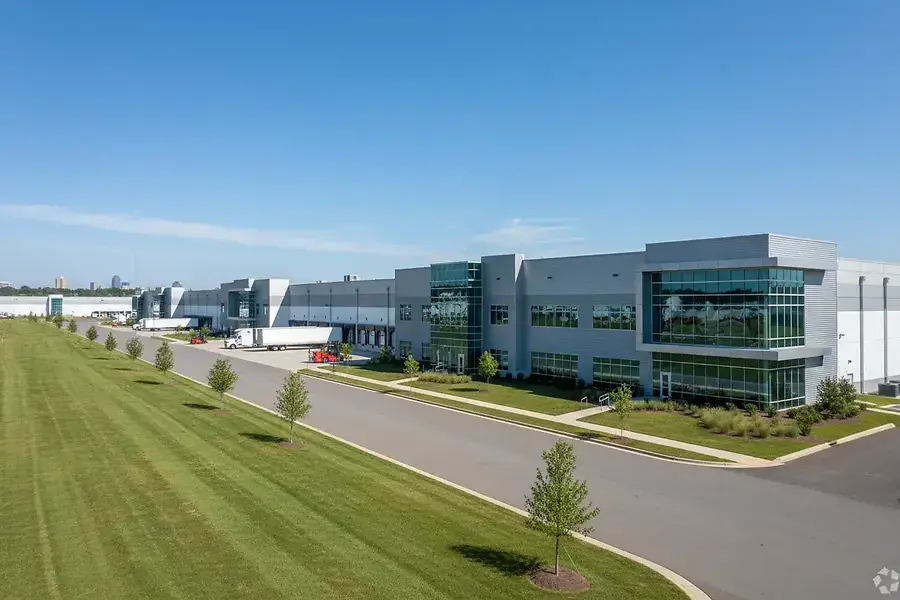
Introduction: Greenville's Industrial Real Estate Renaissance
Greenville, North Carolina is experiencing a remarkable transformation in its industrial real estate landscape. What was once a traditional manufacturing hub is now evolving into a dynamic logistics and distribution center that attracts investors from across the nation. The convergence of strategic geographic positioning, infrastructure improvements, and economic incentives has created an unprecedented opportunity for real estate investors seeking exposure to the industrial sector.
The industrial real estate market in Greenville is no longer a secondary consideration for portfolio managers—it has become a primary focus. With vacancy rates declining and rental rates climbing, savvy investors are recognizing that Greenville offers the kind of growth potential typically associated with larger metropolitan areas, but with less competition and more attractive entry points.
Key Industrial Sectors Driving Commercial Growth
Logistics and Distribution Networks
The logistics sector has emerged as the primary driver of Greenville's industrial expansion. Major e-commerce companies and third-party logistics providers are establishing regional distribution centers in the area, capitalizing on the city's central location within the Eastern Seaboard. This trend has created substantial demand for modern warehouse and fulfillment facilities, with many properties commanding premium rental rates.
The rise of last-mile delivery services has particularly benefited Greenville's industrial market. Companies seeking to reduce delivery times to major population centers are investing heavily in regional hubs, and Greenville's location makes it an ideal choice for this purpose.
Advanced Manufacturing and Technology
Beyond traditional warehousing, Greenville is attracting advanced manufacturing operations that require specialized industrial facilities. Companies in aerospace components, medical device manufacturing, and precision engineering are establishing operations in the region, drawn by the availability of skilled labor and competitive operating costs.
These higher-value manufacturing operations typically require longer-term leases and custom-built facilities, creating opportunities for investors willing to develop specialized industrial properties. The stability and growth potential of these tenants make them particularly attractive to institutional investors.
Food Processing and Agricultural Services
Greenville's proximity to agricultural regions has fostered growth in food processing and agricultural services. Cold storage facilities, processing plants, and distribution centers for agricultural products represent a significant and growing segment of the industrial market. These specialized facilities often command premium pricing due to their specific infrastructure requirements.
Strategic Location Advantages for Industrial Operations
Geographic Positioning and Transportation Access
Greenville's location in Eastern North Carolina provides exceptional access to major transportation corridors. The city sits within a four-hour drive of major metropolitan areas including Raleigh, Charlotte, and Virginia Beach, making it an ideal distribution point for regional and national supply chains.
Key transportation advantages include:
- Direct access to Interstate 95 and Highway 264, connecting to major East Coast markets
- Proximity to Port of Wilmington, providing international shipping capabilities
- Proximity to Raleigh-Durham International Airport for air freight operations
- Established rail infrastructure supporting freight operations
Labor Market and Workforce Development
The availability of skilled and semi-skilled labor is a critical factor in industrial real estate decisions. Greenville benefits from a robust workforce with experience in manufacturing, logistics, and distribution operations. Local educational institutions and workforce development programs continue to expand training opportunities, ensuring a steady pipeline of qualified workers.
The cost of labor in Greenville remains competitive compared to northern industrial markets, providing operational advantages for tenants and supporting higher profit margins for property owners.
Infrastructure and Development Support
The local government and economic development authority have invested significantly in infrastructure improvements to support industrial growth. Recent upgrades to utilities, road networks, and telecommunications infrastructure have enhanced the region's appeal to industrial operators.
Additionally, various tax incentives and development grants are available for qualifying industrial projects, reducing the cost of expansion and making Greenville more competitive than alternative locations.
Real Estate Economics and Market Dynamics
The industrial real estate market in Greenville remains significantly more affordable than comparable properties in established industrial markets. This pricing advantage creates multiple investment scenarios:
- Value-add opportunities: Investors can acquire properties below replacement cost and implement improvements to increase rental rates
- Development potential: Land costs remain reasonable, supporting new construction projects with attractive returns
- Portfolio diversification: Exposure to an emerging market provides geographic and sector diversification benefits
- Long-term appreciation: As the market matures, property values are likely to appreciate significantly
Conclusion: Positioning Yourself in Greenville's Booming Market
Greenville, North Carolina represents a compelling opportunity for industrial real estate investors seeking exposure to a high-growth market with favorable fundamentals. The combination of strategic location, diverse industrial sectors, supportive infrastructure, and attractive valuations creates an environment where investors can achieve both current income and long-term appreciation.
The industrial real estate market in Greenville is still in its growth phase, meaning investors who act now can position themselves ahead of the curve. As major corporations continue to expand their operations in the region and supply chain networks become increasingly sophisticated, demand for quality industrial space will only intensify.
The key to successful real estate investing is identifying emerging markets before they reach maturity. Greenville, NC offers exactly this type of opportunity—a market with strong fundamentals, growing demand, and significant upside potential.
Whether you're a seasoned industrial real estate investor or exploring new markets for portfolio expansion, Greenville deserves serious consideration. The convergence of economic trends, infrastructure advantages, and market dynamics suggests that the next chapter of Greenville's growth story will be written by investors who recognize and act on these opportunities today.


