Industrial Real Estate Investment Strategies for New York Investors
Learn how to identify and capitalize on high-growth industrial properties that deliver strong returns in New York's dynamic market.

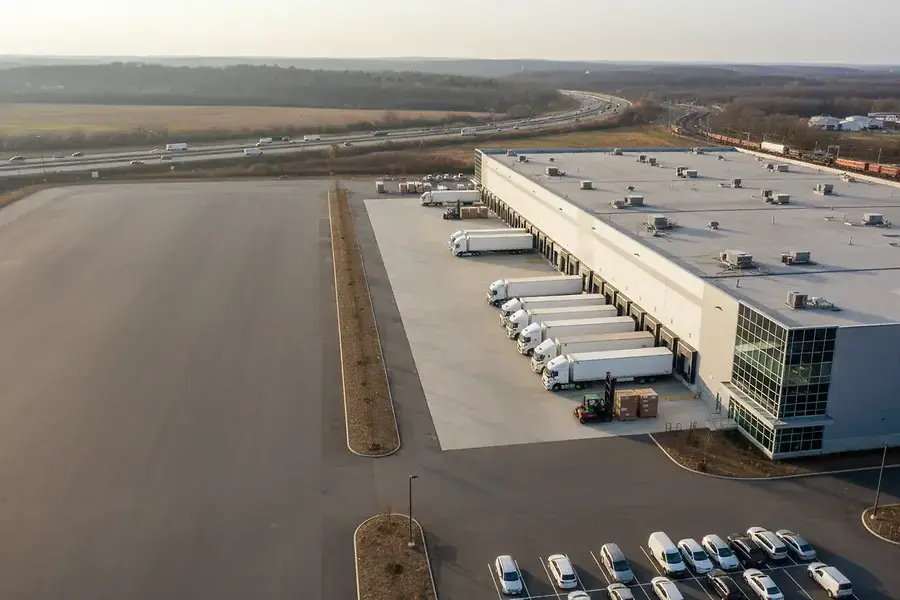
Understanding New York's Industrial Real Estate Market Dynamics
New York's industrial real estate market has undergone a significant transformation in recent years, driven by the explosive growth of e-commerce, supply chain optimization, and the need for last-mile delivery solutions. The region's strategic location, robust transportation infrastructure, and proximity to major consumer markets make it an attractive destination for industrial investors seeking substantial returns.
The market is characterized by strong demand from logistics companies, third-party logistics providers (3PLs), and fulfillment centers looking to establish operations near the densest population centers in the United States. This demand has created a favorable environment for property owners and investors, with rental rates and occupancy levels remaining resilient even during economic fluctuations.
Understanding the fundamentals of New York's industrial market is crucial for investors. Key metrics to monitor include:
- Vacancy Rates: Lower vacancy rates indicate strong demand and pricing power
- Rental Growth: Year-over-year increases in rental rates signal market strength
- Absorption Rates: The speed at which new space is leased reflects market health
- Cap Rates: Competitive cap rates help determine investment value and returns
Key Industrial Sectors and Growth Corridors Across the Region
Dominant Industrial Sectors
Several sectors are driving growth in New York's industrial market. E-commerce and logistics remain the dominant force, with companies requiring massive distribution centers and fulfillment facilities. Cold storage and food distribution have also emerged as a critical sector, particularly as demand for perishable goods delivery continues to rise. Additionally, manufacturing and light industrial operations are experiencing renewed interest as companies seek to nearshore production closer to major markets.
Strategic Growth Corridors
Successful industrial investors focus on specific geographic corridors that offer the best combination of accessibility, labor availability, and cost-effectiveness. The Hudson Valley corridor has become increasingly attractive due to its proximity to New York City and lower land costs compared to the city itself. The Long Island Industrial Belt continues to thrive, offering excellent highway access and established logistics infrastructure. Meanwhile, the Westchester County market provides opportunities for investors seeking properties closer to Manhattan with strong tenant demand.
Each corridor presents unique opportunities and challenges. Investors should conduct thorough market analysis to identify which corridors align with their investment objectives and risk tolerance.
Investment Strategies for Maximizing Returns on Industrial Properties
Value-Add Opportunities
One of the most effective strategies for industrial investors is identifying value-add properties that can be improved through renovations, operational enhancements, or tenant mix optimization. Properties with outdated facilities, below-market rents, or underutilized space present excellent opportunities to increase returns significantly. Investors can upgrade mechanical systems, improve loading dock efficiency, or reconfigure space to attract higher-paying tenants.
Long-Term Lease Strategies
Securing long-term leases with creditworthy tenants is essential for reducing risk and ensuring stable cash flow. Industrial properties with 5-10 year leases from established logistics companies provide predictable income streams and reduce vacancy risk. Consider negotiating lease terms that include annual rent escalations to protect against inflation and maintain competitive returns.
Portfolio Diversification
Rather than concentrating investments in a single property or corridor, successful investors build diversified portfolios across multiple locations and tenant types. This approach mitigates risk associated with sector downturns or local market fluctuations. A balanced portfolio might include:
- Logistics and fulfillment centers in prime locations
- Cold storage facilities serving the food distribution sector
- Light industrial properties for manufacturing and assembly operations
- Properties in emerging growth corridors with upside potential
Technology and Operational Excellence
Modern industrial investors leverage technology to enhance property performance. Building management systems that optimize energy efficiency can significantly reduce operating costs. Smart logistics features such as advanced loading systems, automated inventory tracking, and enhanced security systems make properties more attractive to tenants and justify premium rents. Properties equipped with these amenities command higher occupancy rates and rental rates.
Understanding Financing Options
Securing favorable financing is critical to investment success. Industrial properties typically offer strong debt service coverage ratios, making them attractive to lenders. Investors should explore various financing options including traditional bank loans, CMBS (Commercial Mortgage-Backed Securities), and private equity partnerships. Fixed-rate financing provides stability, while floating-rate options may offer lower initial rates for investors with higher risk tolerance.
Due Diligence and Risk Management
Thorough due diligence is non-negotiable. Before committing capital, investors must:
- Conduct comprehensive environmental assessments to identify potential liabilities
- Verify tenant creditworthiness and lease enforceability
- Analyze local zoning regulations and future development plans
- Assess transportation infrastructure and accessibility
- Review historical occupancy and rental rate trends
"The most successful industrial investors understand that location, tenant quality, and operational efficiency are the three pillars of sustainable returns."
Conclusion: Positioning Yourself for Success in Industrial Real Estate
New York's industrial real estate market presents compelling opportunities for investors willing to conduct thorough research and implement disciplined investment strategies. Success requires understanding market dynamics, identifying high-growth corridors, and executing value-creation strategies that enhance property performance and tenant satisfaction.
By focusing on quality properties in strategic locations, securing long-term leases with creditworthy tenants, and continuously improving operational efficiency, investors can achieve strong returns while building a resilient portfolio. The key is to remain adaptable, monitor market trends closely, and position your investments to benefit from the ongoing structural growth in industrial real estate demand.
Whether you're a seasoned investor or entering the market for the first time, the industrial sector in New York offers the potential for substantial wealth creation when approached with the right strategy and expertise.


