Industrial Real Estate Investment Strategies for Oklahoma City
Discover how to evaluate and capitalize on industrial properties in Oklahoma City's growing logistics sector.

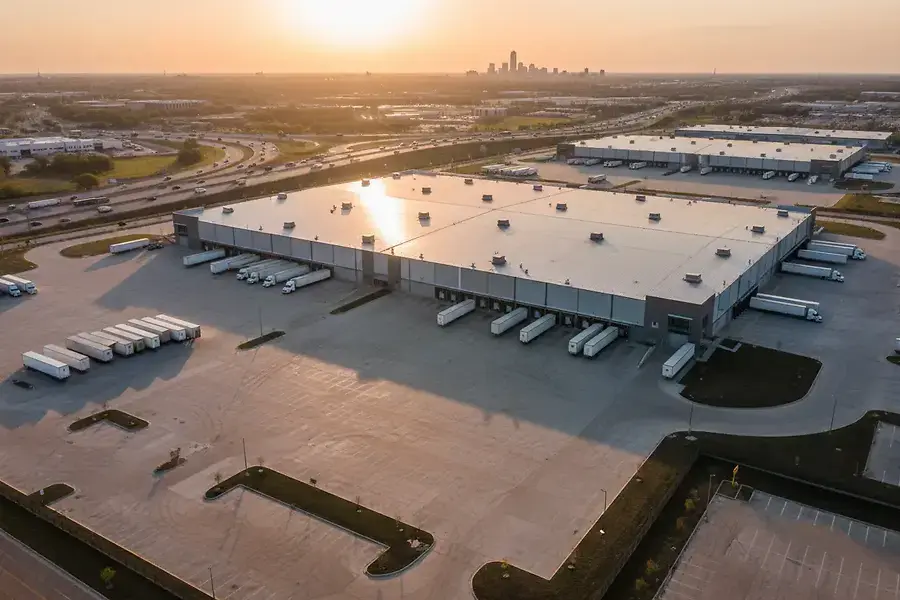
The Rise of Industrial Real Estate in Oklahoma City
Oklahoma City has emerged as a premier destination for industrial real estate investment, driven by its strategic geographic location, robust transportation infrastructure, and growing logistics sector. The city's central position within the United States makes it an ideal hub for distribution centers, warehouses, and manufacturing facilities serving markets across the nation.
The industrial real estate market in Oklahoma City has experienced significant growth, attracting major corporations and logistics providers seeking cost-effective operations with excellent connectivity. This expansion presents compelling opportunities for investors looking to diversify their portfolios and capitalize on long-term demand for industrial space.
Why Oklahoma City Stands Out
Several factors have positioned Oklahoma City as a leading industrial investment destination:
- Strategic Location: Situated at the crossroads of major highways and rail networks, Oklahoma City offers unparalleled access to markets across the Midwest and Southwest.
- Lower Operating Costs: Compared to coastal industrial markets, Oklahoma City provides significantly lower land, labor, and operational expenses.
- Business-Friendly Environment: The state offers competitive tax incentives and streamlined regulatory processes for commercial development.
- Growing Demand: E-commerce expansion and supply chain diversification continue to drive demand for warehouse and logistics space.
Key Factors for Evaluating Industrial Properties and Location Benefits
Essential Property Evaluation Criteria
When assessing industrial properties in Oklahoma City, investors must conduct thorough due diligence across multiple dimensions. Understanding these evaluation criteria will help you identify properties with strong appreciation potential and reliable income streams.
Building Specifications and Condition: Examine ceiling heights, column spacing, loading dock configurations, and overall structural integrity. Modern industrial facilities typically feature 24-32 foot ceiling heights to accommodate automated storage systems and efficient operations. The condition of HVAC, electrical, and plumbing systems directly impacts tenant satisfaction and long-term maintenance costs.
Accessibility and Transportation: Properties with direct access to Interstate 35, Interstate 40, or major arterial roads command premium rents and attract quality tenants. Proximity to rail yards and freight terminals adds significant value for logistics-intensive operations. Evaluate traffic patterns, truck routes, and future infrastructure development plans.
Location-Based Advantages
Oklahoma City's industrial landscape includes several high-performing submarkets, each with distinct advantages:
- South OKC Corridor: Offers excellent highway access and proximity to distribution networks serving southern markets.
- North Industrial District: Features rail connectivity and attracts manufacturing and intermodal operations.
- East Side Logistics Hub: Provides balanced access to multiple transportation modes and emerging tenant demand.
Tenant Quality and Stability: Investigate potential tenants' financial health, industry sector, and lease history. Long-term contracts with creditworthy tenants provide predictable cash flows and reduce vacancy risk. Properties leased to established logistics companies, e-commerce fulfillment centers, or manufacturing firms typically offer superior stability compared to short-term or speculative tenancies.
Zoning and Regulatory Compliance: Verify that properties are properly zoned for industrial use and comply with environmental regulations. Review local zoning ordinances, building codes, and any restrictions that might impact future operations or expansion potential.
Financial Analysis and ROI Expectations for Commercial Investors
Understanding Industrial Real Estate Returns
Industrial properties in Oklahoma City typically deliver competitive returns through a combination of rental income and property appreciation. Successful investors employ rigorous financial analysis to project returns and assess risk.
Cap Rate Analysis: Industrial properties in Oklahoma City currently trade at cap rates ranging from 5.5% to 7.5%, depending on property condition, location, and tenant quality. Cap rates represent the relationship between net operating income and property value. Higher cap rates may indicate greater risk or opportunity, while lower cap rates suggest premium locations or stable tenants.
Cash Flow Projections: Calculate net operating income by subtracting operating expenses from gross rental income. Factor in property taxes, insurance, maintenance, utilities, and management fees. Conservative investors typically budget 25-35% of gross rental income for operating expenses. Ensure projected cash flows support debt service if financing the acquisition.
"Industrial real estate offers institutional-quality returns with tangible asset backing. Oklahoma City's market fundamentals support both income generation and long-term appreciation."
Investment Metrics and Performance Indicators
Return on Investment (ROI): Calculate total returns by dividing annual profit by initial investment. Industrial properties typically generate 8-12% annual returns when accounting for rental income, tax benefits, and appreciation. Multi-year holding periods often produce superior returns as properties appreciate and debt is paid down.
Debt Service Coverage Ratio (DSCR): Lenders typically require DSCR of 1.25 or higher, meaning net operating income should exceed debt payments by at least 25%. This metric ensures sufficient cash flow to cover loan obligations while maintaining operational reserves.
Appreciation Potential: Oklahoma City's industrial market has appreciated 3-5% annually historically. Properties in emerging submarkets or those undergoing infrastructure improvements may appreciate faster. Long-term investors benefit from both income generation and property value growth.
Risk Mitigation Strategies
Successful industrial investors employ several strategies to minimize risk:
- Diversify across multiple properties and tenant types to reduce concentration risk.
- Conduct thorough environmental assessments to identify potential contamination or remediation costs.
- Negotiate lease terms that include rent escalation clauses tied to inflation or market rates.
- Maintain adequate reserves for unexpected repairs, vacancies, or market downturns.
- Partner with experienced property managers familiar with Oklahoma City's industrial market.
Conclusion: Taking Action on Your Industrial Investment Opportunity
Oklahoma City's industrial real estate market presents compelling opportunities for investors seeking stable returns and long-term appreciation. The combination of strategic location, growing logistics demand, and favorable economics creates an attractive investment landscape.
Next Steps for Prospective Investors: Begin by researching available properties in target submarkets and analyzing comparable sales data. Connect with local commercial real estate brokers who understand Oklahoma City's industrial market dynamics. Conduct thorough financial analysis using conservative assumptions about occupancy rates and expense growth.
Consider partnering with experienced investors or investment groups to share risk and leverage collective expertise. Attend industry conferences and networking events to stay informed about market trends and emerging opportunities.
The industrial real estate sector in Oklahoma City continues to evolve, driven by technological advancement, supply chain optimization, and changing consumer preferences. Investors who understand market fundamentals, conduct rigorous due diligence, and maintain a long-term perspective are well-positioned to achieve their financial objectives while contributing to the region's economic growth.
Your industrial real estate investment journey in Oklahoma City begins with education, analysis, and decisive action. The market opportunity is real—now is the time to explore how industrial properties can strengthen your investment portfolio.