Industrial Real Estate Investment Trends Reshaping Minneapolis-Saint Paul
Discover how supply chain shifts and logistics demand are reshaping commercial real estate investment opportunities in the Twin Cities.

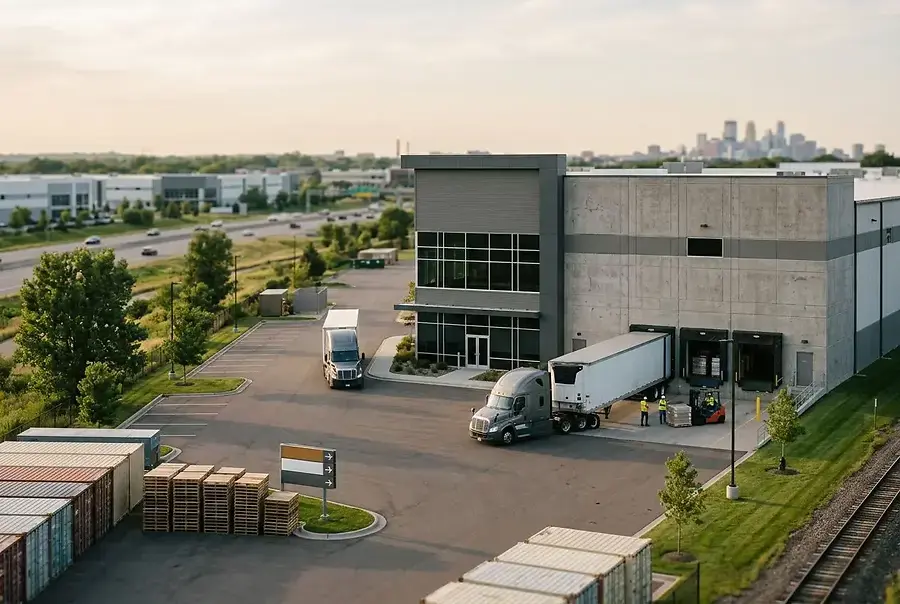
The Evolving Industrial Real Estate Landscape
The Minneapolis-Saint Paul metropolitan area has emerged as a critical hub for industrial real estate investment. The Twin Cities' strategic location, robust transportation infrastructure, and skilled workforce have positioned it as an attractive destination for logistics companies and manufacturers seeking to optimize their supply chain operations. This transformation represents a significant shift in how investors approach commercial real estate in the region.
The industrial sector in Minneapolis-Saint Paul has undergone remarkable changes in recent years. Companies are increasingly recognizing the value of establishing distribution centers and warehousing facilities in the Twin Cities, driven by the need to serve markets across the Upper Midwest and beyond. This trend has created unprecedented opportunities for real estate investors looking to capitalize on growing demand.
Supply Chain Transformation and Warehouse Demand in the Twin Cities
The Impact of E-Commerce Growth
E-commerce expansion has fundamentally altered warehouse and logistics requirements across the nation, and Minneapolis-Saint Paul is no exception. The demand for last-mile delivery capabilities and regional distribution centers has skyrocketed, creating a pressing need for modern, efficient warehouse facilities. Investors who understand this shift are positioning themselves to benefit from long-term lease agreements with major retailers and logistics providers.
Strategic Location Advantages
The Twin Cities offer several compelling advantages for industrial real estate:
- Central Location: Minneapolis-Saint Paul serves as a natural hub for serving the Upper Midwest, with easy access to major markets in Wisconsin, Iowa, and beyond.
- Transportation Infrastructure: The region boasts excellent highway connectivity, including Interstate 94 and Interstate 35, facilitating efficient goods movement.
- Labor Market: A skilled and reliable workforce reduces operational costs and improves facility efficiency.
- Real Estate Availability: Compared to coastal markets, the Twin Cities offer more affordable land and building options, improving investment returns.
Nearshoring and Supply Chain Resilience
Recent global supply chain disruptions have prompted companies to reconsider their distribution strategies. Nearshoring—the practice of moving manufacturing and logistics operations closer to end markets—has become a priority for many businesses. Minneapolis-Saint Paul's central location makes it an ideal destination for companies implementing nearshoring strategies, creating sustained demand for industrial properties.
This trend is particularly evident among companies seeking to reduce shipping times and costs while improving supply chain resilience. Investors who recognize this shift can identify properties that will attract long-term tenants committed to regional operations.
Investment Strategies for Industrial Properties in Minneapolis-Saint Paul
Core Investment Opportunities
Modern Warehouse Facilities: Properties built to current specifications—including high ceilings, advanced climate control, and automation-ready infrastructure—command premium rents and attract quality tenants. These facilities are essential for companies utilizing modern logistics technologies.
Last-Mile Distribution Centers: Smaller facilities strategically located near population centers are increasingly valuable. These properties support the final stage of delivery and are critical for e-commerce operations.
Flex Industrial Spaces: Properties that combine warehouse, office, and light manufacturing capabilities offer versatility and appeal to a broader tenant base, reducing vacancy risk.
Key Investment Considerations
Successful industrial real estate investment in Minneapolis-Saint Paul requires careful attention to several factors:
- Tenant Quality: Prioritize properties leased to established logistics companies and major retailers with strong credit ratings and long-term growth prospects.
- Location Specificity: Properties near major transportation corridors and population centers command higher rents and attract more reliable tenants.
- Building Specifications: Modern facilities with high ceilings, clear spans, and loading dock configurations are more attractive to industrial tenants and command premium valuations.
- Market Fundamentals: Monitor vacancy rates, rental growth trends, and new supply pipelines to identify optimal entry points.
Emerging Trends to Monitor
Automation and Technology Integration: Industrial facilities equipped with automation-ready infrastructure and smart building technologies are increasingly attractive to forward-thinking tenants. Investors should consider properties that support technological advancement.
Sustainability Initiatives: Green building certifications and energy-efficient systems are becoming standard expectations. Properties with sustainable features attract environmentally conscious tenants and may qualify for tax incentives.
Mixed-Use Development: Some investors are exploring opportunities to integrate industrial properties with office, retail, or residential components, creating more dynamic and resilient investments.
The Twin Cities industrial market represents a compelling opportunity for investors who understand the fundamental drivers of supply chain transformation and logistics demand.
Conclusion: Positioning Yourself in a Growing Market
The Minneapolis-Saint Paul industrial real estate market stands at an inflection point. Supply chain transformations, e-commerce growth, and nearshoring initiatives are creating sustained demand for modern warehouse and logistics facilities. Investors who recognize these trends and position themselves strategically can benefit from strong rental growth, reliable tenants, and attractive returns.
Success in this market requires understanding the fundamental drivers of industrial real estate demand, identifying properties that meet modern tenant requirements, and maintaining a long-term perspective. The Twin Cities' strategic location, infrastructure advantages, and growing logistics sector make it an increasingly attractive destination for industrial real estate investment.
Whether you're an experienced real estate investor or exploring industrial properties for the first time, the Minneapolis-Saint Paul market offers compelling opportunities. By focusing on quality properties, strong tenants, and strategic locations, investors can position themselves to capitalize on the region's continued growth and transformation.