Industrial Space Conversion: Repurposing Warehouses in Saint Louis
Transform underutilized industrial properties into thriving commercial spaces and unlock significant profit potential.

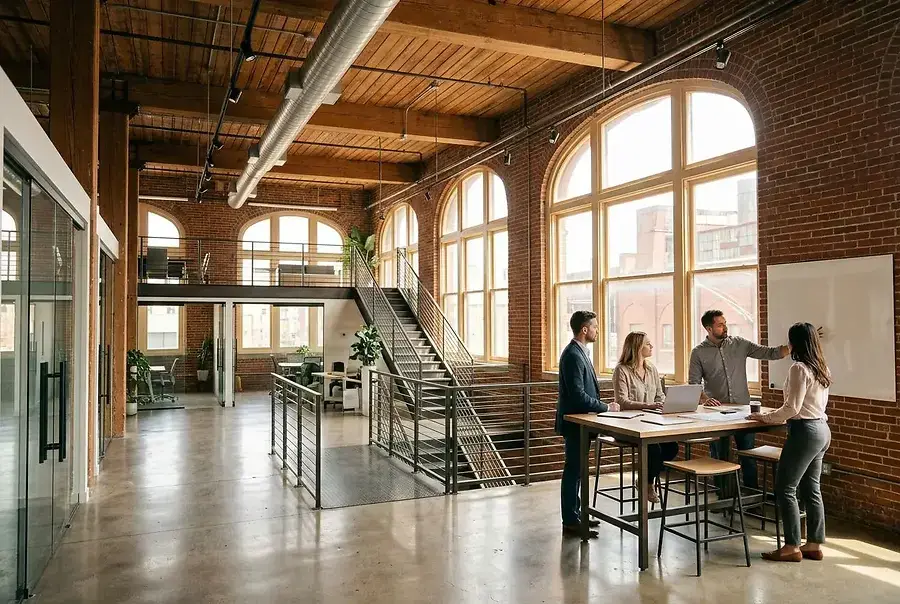
The Shift in Saint Louis Industrial Real Estate
Saint Louis's industrial landscape is undergoing a remarkable transformation. Once-thriving warehouses and manufacturing facilities that stood empty for decades are now being reimagined as vibrant commercial spaces. This shift represents more than just aesthetic renewal—it's a strategic opportunity for investors and developers to unlock substantial returns while revitalizing neighborhoods.
The city's rich industrial heritage has left behind a substantial inventory of underutilized properties. Rather than allowing these structures to deteriorate, forward-thinking entrepreneurs are recognizing the immense potential hidden within their brick walls and expansive floor plans. These conversions are breathing new life into Saint Louis's urban core while addressing the growing demand for authentic, character-filled commercial spaces.
Understanding Current Demand for Converted Industrial Spaces
Why Businesses Are Seeking Converted Warehouses
The demand for converted industrial spaces has surged dramatically. Modern businesses—from creative agencies to tech startups, fitness studios to artisanal manufacturers—are actively seeking spaces that offer:
- Authentic Character: Exposed brick, high ceilings, and original architectural details create distinctive environments that appeal to contemporary businesses and their clients
- Flexible Layouts: Large, open floor plans allow businesses to customize spaces according to their unique operational needs
- Cost Efficiency: Converted warehouses typically offer more square footage per dollar compared to newly constructed commercial buildings
- Sustainability Appeal: Adaptive reuse projects align with environmental values and reduce construction waste
- Community Connection: Industrial conversions often anchor neighborhood revitalization efforts, attracting foot traffic and complementary businesses
Market Trends Driving Conversion Growth
Several factors are accelerating the warehouse conversion trend in Saint Louis. The city's strategic location, affordable property costs compared to coastal markets, and supportive local development policies create an ideal environment for these projects. Additionally, the rise of mixed-use developments—combining retail, office, and residential spaces—has made industrial conversions increasingly attractive to investors seeking diversified revenue streams.
The convergence of affordable real estate, authentic architecture, and growing business demand has positioned Saint Louis as a prime destination for industrial space conversions.
Practical Steps for Converting Warehouses into Modern Commercial Properties
Step 1: Conduct Thorough Due Diligence
Before committing capital, comprehensive property assessment is essential. This includes:
- Structural engineering evaluations to identify necessary repairs and reinforcements
- Environmental assessments to detect contamination or hazardous materials
- Title searches and zoning verification to ensure legal compliance
- Market analysis to confirm demand for your intended use
Step 2: Secure Appropriate Financing and Incentives
Saint Louis offers several financial advantages for industrial conversion projects. Investigate available options including:
- Historic Tax Credits: Many warehouses qualify for federal and state historic preservation tax credits, significantly reducing project costs
- New Markets Tax Credits: These credits incentivize development in economically distressed areas
- Local Development Grants: The city and various organizations offer grants and low-interest loans for qualifying projects
- Traditional Financing: Work with lenders experienced in adaptive reuse projects who understand the unique aspects of conversion financing
Step 3: Plan Comprehensive Renovations
Successful conversions require detailed planning across multiple systems:
- Structural Work: Address foundation issues, reinforce floors, and repair exterior walls while preserving historic character
- Systems Installation: Upgrade electrical, plumbing, HVAC, and fire safety systems to meet modern codes
- Accessibility Compliance: Ensure ADA compliance with elevators, ramps, and accessible restrooms
- Interior Design: Balance preservation of original features with contemporary finishes and functionality
Step 4: Obtain Necessary Permits and Approvals
Navigate the regulatory landscape by working closely with city planning departments and building officials. Key permits include:
- Building permits for structural and systems work
- Zoning variances if converting to a different use classification
- Historic preservation approvals if the building is designated
- Occupancy permits for the completed space
Step 5: Implement Strategic Leasing and Marketing
Once conversion is complete, successful tenant acquisition requires targeted marketing. Highlight the unique benefits of your converted space:
- Professional photography and virtual tours showcasing distinctive features
- Targeted outreach to businesses seeking authentic, character-filled environments
- Flexible lease terms that accommodate various business types and sizes
- Community engagement initiatives that position your property as a neighborhood anchor
Capitalizing on Saint Louis's Industrial Conversion Opportunities
Saint Louis stands at an inflection point in its real estate evolution. The convergence of abundant industrial inventory, growing tenant demand, supportive municipal policies, and available financing creates an exceptional window for investors and developers. Successful warehouse conversions don't just generate financial returns—they catalyze neighborhood transformation, create jobs, and preserve architectural heritage.
The path from abandoned warehouse to thriving commercial space requires vision, capital, and expertise. However, for those willing to navigate the process, the rewards are substantial. Whether you're a seasoned developer or an entrepreneur exploring your first project, Saint Louis's industrial landscape offers compelling opportunities to build wealth while contributing to the city's renaissance.
The future of Saint Louis's real estate market belongs to those who recognize the potential hidden within its industrial past and possess the determination to unlock it.