Industrial Space Leasing in Omaha: Essential Terms and Negotiation Strategies
Navigate industrial property leases with confidence and secure the best terms for your Omaha business.

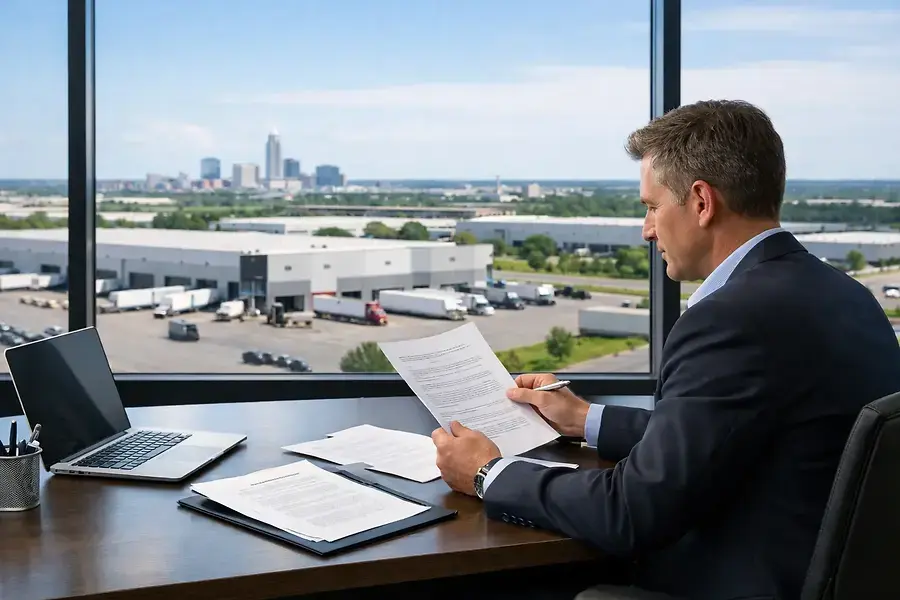
Understanding Industrial Lease Structures in Omaha
Industrial space leasing in Omaha has become increasingly competitive as the region continues to attract manufacturing, logistics, and distribution companies. Understanding the fundamental structure of industrial leases is the first step toward making informed decisions for your business.
Industrial leases in Omaha typically fall into three main categories: gross leases, triple net (NNN) leases, and modified gross leases. Each structure distributes costs and responsibilities differently between landlord and tenant, making it crucial to understand which arrangement best suits your operational needs and financial projections.
Gross Lease Structure
In a gross lease, the landlord covers most operating expenses including property taxes, insurance, and maintenance. This arrangement provides predictability for your budget, as your monthly payment remains relatively stable. However, gross leases typically command higher base rental rates to compensate the landlord for these additional responsibilities.
Triple Net (NNN) Lease Structure
Triple net leases place the burden of property taxes, insurance, and common area maintenance (CAM) charges on the tenant. While base rents are lower, you'll pay additional monthly or annual fees for these expenses. This structure requires careful financial planning to avoid unexpected cost increases.
Modified Gross Lease Structure
A middle ground between gross and NNN leases, modified gross leases split operating expenses between landlord and tenant according to negotiated terms. This flexibility makes them increasingly popular in Omaha's industrial market.
Critical Lease Terms Every Omaha Business Owner Should Know
Beyond the basic lease structure, several critical terms can significantly impact your business operations and financial obligations. Understanding these terms empowers you to negotiate more effectively.
Lease Duration and Renewal Options
Industrial leases typically range from 3 to 10 years. Longer leases provide stability but may lock you into unfavorable terms if your business circumstances change. Ensure your lease includes renewal options and clearly defines any rent escalation clauses. A well-structured renewal option gives you the right to extend without renegotiating from scratch.
Rent Escalation Clauses
Most industrial leases include annual rent increases. Common escalation methods include:
- Fixed increases – A predetermined percentage increase each year (typically 2-3%)
- CPI adjustments – Tied to the Consumer Price Index for automatic market-based increases
- Step increases – Varying increases at different lease intervals
Negotiate for the most favorable escalation method based on your industry's growth projections and local economic conditions.
Tenant Improvement Allowances
Landlords often provide tenant improvement (TI) allowances to offset your build-out costs. These allowances can significantly reduce your upfront capital requirements. Negotiate for adequate TI funds and ensure the lease specifies how unused allowances are handled—some landlords may credit unused amounts toward rent.
Use Clause and Operational Flexibility
The use clause defines what business activities you can conduct in the space. Ensure this clause is broad enough to accommodate potential business evolution. Restrictive use clauses can limit your operational flexibility and reduce the space's value if you need to sublease or sell your business.
Maintenance and Repair Responsibilities
Clearly delineate who is responsible for structural repairs, roof maintenance, HVAC systems, and parking lot upkeep. Ambiguous maintenance clauses can lead to costly disputes and unexpected expenses.
Negotiation Strategies for Competitive Industrial Rates
Successful negotiation requires preparation, market knowledge, and strategic positioning. Here are proven strategies for securing favorable industrial lease terms in Omaha.
Research Market Rates and Comparable Properties
Before entering negotiations, research current market rates for similar industrial spaces in your Omaha location. Understanding prevailing rental rates, typical escalation percentages, and standard TI allowances gives you a realistic baseline for negotiations. Local commercial real estate brokers can provide valuable market data.
Get Professional Representation
Engaging a commercial real estate broker or attorney experienced in industrial leases is a worthwhile investment. These professionals understand local market dynamics, can identify unfavorable terms, and advocate on your behalf. Their expertise often results in savings that far exceed their fees.
Highlight Your Strengths as a Tenant
Landlords value reliable, long-term tenants. If your business demonstrates financial stability, good credit, and a commitment to the space, leverage these strengths. A strong tenant profile gives you negotiating power to request better rates, higher TI allowances, or more favorable lease terms.
Propose Creative Deal Structures
Think beyond simple rent negotiations. Consider proposing:
- Longer lease terms in exchange for lower base rates
- Graduated rent schedules with lower initial rates
- Performance-based rent adjustments tied to your business metrics
- Landlord participation in tenant improvement costs beyond standard allowances
Negotiate Flexibility Provisions
Request provisions that protect your business interests, such as:
- Early termination rights with reasonable penalties if your business circumstances change
- Expansion options allowing you to lease additional adjacent space at predetermined rates
- Subleasing rights enabling you to sublet if you need to downsize
- Assignment rights allowing you to transfer the lease if you sell your business
Finalizing Your Lease: Next Steps and Common Pitfalls to Avoid
As you approach lease finalization, attention to detail becomes paramount. Several common pitfalls can create problems down the road.
Review Every Clause Carefully
Never rush through lease review. Each clause carries implications for your business. Pay special attention to:
- Default provisions and remedies
- Insurance and indemnification requirements
- Environmental compliance obligations
- Dispute resolution procedures
Clarify Ambiguous Language
Industrial leases are complex legal documents. If any language is unclear, request clarification in writing before signing. Ambiguity often favors the landlord in dispute situations.
Ensure Proper Contingencies
Include contingencies protecting your interests, such as:
- Environmental site assessments confirming the space is suitable for your operations
- Verification that utilities and infrastructure meet your requirements
- Confirmation that zoning permits your intended use
Document All Agreements
Ensure every negotiated term is reflected in the final lease document. Verbal agreements or side letters can create confusion and disputes. What's not in writing doesn't exist legally.
Plan for the Long Term
Consider your business's growth trajectory over the lease term. Will you need additional space? Might you relocate? Building flexibility into your lease now prevents costly complications later.
Successfully leasing industrial space in Omaha requires balancing immediate operational needs with long-term business strategy. By understanding lease structures, mastering critical terms, negotiating strategically, and avoiding common pitfalls, you position your business for success in this competitive market.


