Industrial Warehouse Expansion Strategies for Upstate New York
Navigate the growing demand for logistics and distribution space across Newburgh, Albany, and Schenectady.

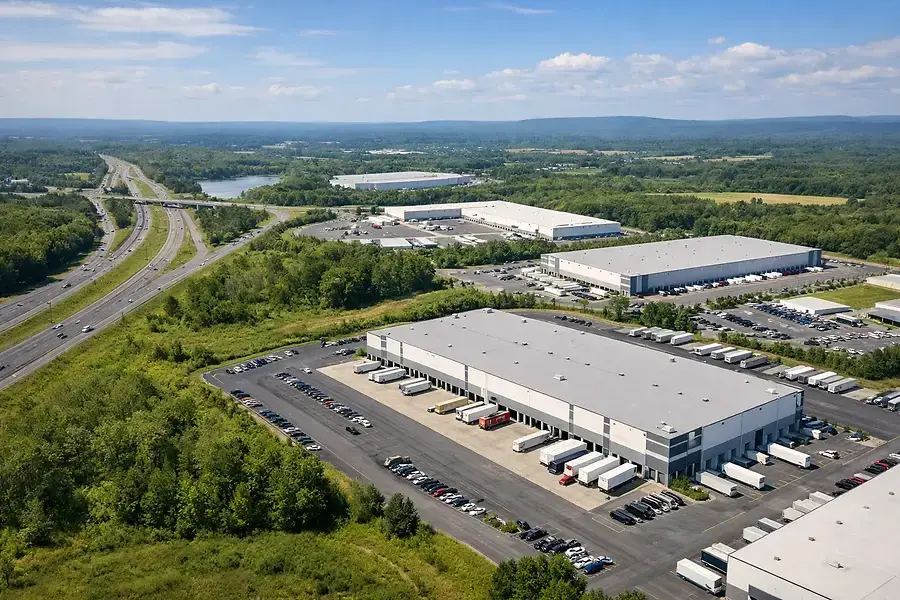
The Industrial Real Estate Boom in Upstate New York
Upstate New York is experiencing an unprecedented surge in industrial real estate demand, driven by the region's strategic location, robust transportation infrastructure, and proximity to major metropolitan markets. The industrial warehouse sector has become a cornerstone of economic growth, attracting businesses seeking cost-effective alternatives to crowded urban centers while maintaining excellent connectivity.
This expansion wave presents both opportunities and challenges for companies looking to establish or grow their logistics operations. Understanding the nuances of the regional market is essential for making informed investment decisions that will position your business for long-term success.
Understanding Warehouse Market Dynamics and Location Advantages
Strategic Geographic Benefits
Upstate New York's geographic positioning offers compelling advantages for industrial operators. The region serves as a critical hub connecting the Northeast corridor, providing direct access to major highways including I-87, I-90, and I-84. This infrastructure enables efficient distribution to New York City, Boston, and Philadelphia markets.
- Transportation Networks: Multiple interstate corridors and rail connections facilitate seamless logistics operations
- Labor Availability: Growing workforce with competitive wage rates compared to major urban centers
- Real Estate Costs: Significantly lower property and operational expenses than metropolitan alternatives
- Regulatory Environment: Business-friendly policies and streamlined permitting processes
Market Demand Drivers
Several factors are fueling the explosive growth in warehouse demand across Upstate New York. E-commerce expansion continues to drive the need for distribution centers, while companies are increasingly adopting multi-hub strategies to improve delivery times and reduce shipping costs.
The convergence of technological advancement, changing consumer expectations, and supply chain optimization has created an ideal environment for industrial expansion in the region.
Additionally, businesses are seeking to diversify their geographic footprint following recent supply chain disruptions, making Upstate New York an attractive alternative to traditional coastal logistics hubs.
Evaluating Expansion Opportunities Across Key Upstate Markets
Newburgh: The Hudson Valley Gateway
Newburgh has emerged as a premier destination for industrial development, leveraging its position along the Hudson River and proximity to the New York Metropolitan area. The city offers:
- Direct access to I-87 (New York State Thruway) for rapid connectivity to major markets
- Waterfront logistics capabilities for multimodal transportation
- Competitive lease rates and available development land
- Growing infrastructure investments supporting industrial growth
Companies expanding into Newburgh benefit from the area's established logistics ecosystem and ongoing infrastructure improvements that enhance operational efficiency.
Albany: The Capital Region Advantage
As the state capital, Albany combines government stability with robust commercial infrastructure. The region's advantages include:
- Central Location: Positioned as a natural distribution hub for Northeast operations
- Multimodal Access: Rail, highway, and air cargo facilities support diverse logistics needs
- Workforce Development: Strong educational institutions provide skilled labor pipeline
- Market Maturity: Established industrial parks with modern facilities and services
Albany's mature industrial market offers stability and proven operational frameworks for expanding businesses seeking established infrastructure.
Schenectady: Emerging Growth Corridor
Schenectady represents an emerging opportunity for forward-thinking companies seeking growth potential with lower competition. The city offers:
- Significant available land for new warehouse development
- Lower occupancy costs compared to established markets
- Strategic positioning along I-90 corridor
- Growing business community and supportive local government
Early movers in Schenectady can secure prime locations at favorable terms while establishing market presence in a region poised for significant growth.
Key Evaluation Criteria
When assessing expansion opportunities across these markets, consider the following factors:
- Transportation Accessibility: Evaluate highway access, rail connections, and proximity to major markets
- Real Estate Availability: Analyze current inventory, pricing trends, and development pipeline
- Operational Costs: Compare labor, utilities, property taxes, and regulatory compliance expenses
- Workforce Capacity: Assess local labor availability, skill levels, and wage competitiveness
- Infrastructure Quality: Review utilities, broadband connectivity, and support services
- Future Growth Potential: Consider planned developments, zoning changes, and regional economic trends
Positioning Your Business for Industrial Growth
Strategic Expansion Planning
Successful warehouse expansion requires comprehensive planning that aligns facility decisions with broader business objectives. Start by conducting detailed demand forecasting to determine facility size, location, and capabilities needed to support your operations over the next five to ten years.
Engage with local economic development agencies in your target markets. These organizations provide valuable insights into available properties, incentive programs, and infrastructure plans that can significantly impact your expansion timeline and costs.
Financial Considerations
Evaluate whether to lease, build-to-suit, or purchase facilities based on your capital structure and operational flexibility requirements. Each approach offers distinct advantages:
- Leasing: Provides flexibility and lower upfront capital requirements
- Build-to-Suit: Enables customization while spreading costs over time
- Purchase: Builds equity and provides long-term cost stability
Implementation Strategy
Develop a phased expansion approach that allows you to test market conditions and adjust operations based on performance. Begin with pilot operations to validate location assumptions, then scale based on results. This measured approach reduces risk while maintaining flexibility to capitalize on emerging opportunities.
Establish strong relationships with local stakeholders, including government officials, business associations, and service providers. These connections facilitate smoother operations and provide early access to market information and opportunities.
Conclusion: Positioning Your Business for Industrial Growth
Upstate New York's industrial warehouse market presents exceptional opportunities for businesses seeking to expand their logistics operations. The region's strategic location, competitive costs, and robust infrastructure create an ideal environment for growth-focused companies.
By carefully evaluating opportunities across Newburgh, Albany, and Schenectady, and implementing a thoughtful expansion strategy, your business can establish a strong presence in one of the Northeast's most dynamic industrial markets. The time to act is now, as competition for prime locations continues to intensify and market conditions remain favorable for expansion.
Success in Upstate New York's industrial market requires strategic planning, thorough market analysis, and decisive action. Companies that move quickly while maintaining disciplined evaluation processes will position themselves to capture significant competitive advantages in this growing region.


