Industrial Warehouse Investment Guide for Oklahoma City Buyers
Discover how to evaluate warehouse properties and identify profitable investment opportunities in Oklahoma City's growing industrial market.

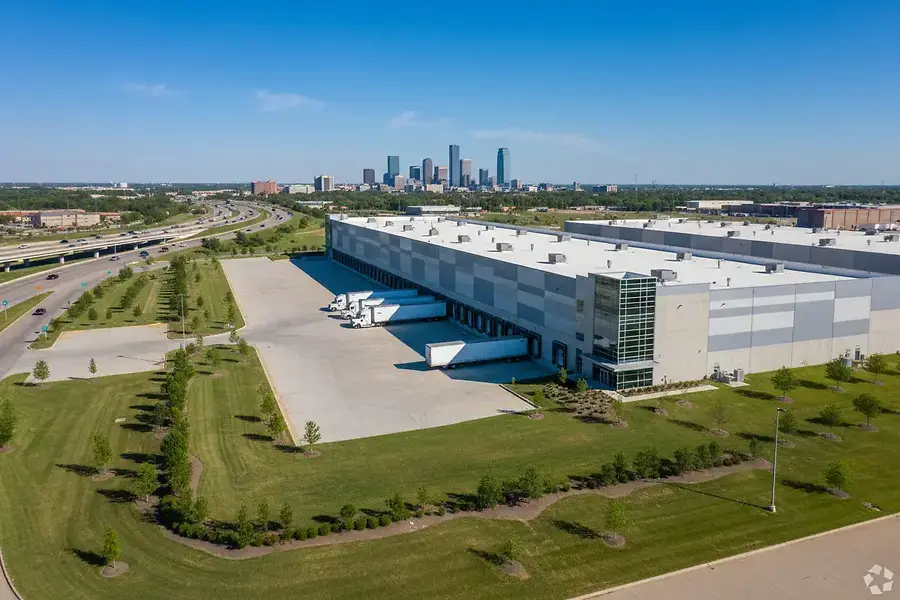
The Rise of Industrial Real Estate in Oklahoma City
Oklahoma City has emerged as a premier destination for industrial real estate investment, driven by its strategic geographic location, robust logistics infrastructure, and business-friendly environment. The city's position at the crossroads of major transportation corridors makes it an ideal hub for distribution centers, warehouses, and manufacturing facilities.
The industrial sector in Oklahoma City has experienced significant growth, with increasing demand from e-commerce companies, third-party logistics providers, and manufacturing operations. This expansion has created unprecedented opportunities for investors seeking stable, long-term returns in the warehouse market.
Key factors driving this growth include:
- Proximity to major highways and rail networks
- Lower operating costs compared to coastal markets
- Access to a skilled workforce
- Competitive commercial real estate pricing
- Strong population growth and consumer demand
Evaluating Warehouse Properties: Key Metrics and Location Factors
Essential Property Metrics
When evaluating warehouse properties, investors must focus on specific metrics that directly impact profitability and tenant appeal. Clear ceiling height is critical—modern warehouses typically feature 24 to 40 feet of clearance to accommodate racking systems and efficient storage. Properties with inadequate ceiling height may struggle to attract quality tenants.
Column spacing is another vital consideration. Wider spacing between support columns allows for more flexible warehouse layouts and maximizes usable square footage. Most institutional-quality warehouses feature column spacing of 40 feet or greater.
The loading dock configuration significantly influences operational efficiency. Properties with multiple docks, modern equipment, and efficient traffic flow patterns command premium rents and attract higher-quality tenants. Assess the number of docks relative to total square footage—typically one dock per 10,000 to 15,000 square feet is considered optimal.
Location and Market Positioning
Location remains paramount in warehouse investment success. Properties positioned near major distribution corridors, interstate access points, and population centers generate superior returns. Proximity to customer bases and transportation networks directly correlates with tenant demand and rental rates.
Evaluate the surrounding industrial ecosystem. Properties clustered near complementary businesses—such as trucking companies, logistics providers, and manufacturing operations—benefit from established supply chains and networking opportunities. This clustering effect strengthens tenant retention and supports rental growth.
Consider the submarket dynamics carefully. Different areas of Oklahoma City offer varying advantages. North Oklahoma City provides excellent highway access, while areas near the airport offer logistics advantages. Understanding these nuances helps identify properties with the strongest growth potential.
Physical Condition and Modernization
Inspect the building's structural integrity, roof condition, HVAC systems, and electrical infrastructure. Modern amenities such as LED lighting, updated fire suppression systems, and climate control capabilities attract premium tenants and justify higher rental rates.
Properties requiring significant capital improvements may offer value-add opportunities for experienced investors, but renovation costs can quickly erode projected returns. Conduct thorough due diligence before committing to properties needing extensive upgrades.
Financial Considerations and ROI Strategies for Industrial Investors
Understanding Cap Rates and Cash Flow
The capitalization rate (cap rate) represents the annual return on your investment based on the property's net operating income. In Oklahoma City's industrial market, cap rates typically range from 5% to 8%, depending on property quality, location, and tenant creditworthiness.
Calculate potential cash flow by analyzing rental income against operating expenses, including property taxes, insurance, maintenance, and property management fees. Positive cash flow from day one provides financial stability and protects against market downturns.
Tenant Quality and Lease Terms
The strength of your investment depends heavily on tenant quality. Triple-net (NNN) leases shift operating expenses to tenants, providing more predictable investor returns. However, ensure tenants have strong credit ratings and stable business models.
Long-term leases with creditworthy tenants reduce vacancy risk and provide income stability. Seek properties with leases of 5+ years, ideally with built-in rent escalation clauses that protect against inflation.
Financing and Leverage Strategies
Most warehouse investors utilize debt financing to amplify returns. Current lending conditions favor industrial properties with strong fundamentals. Typical loan structures require 20-30% down payments with 10-year amortization periods.
Calculate your debt service coverage ratio (DSCR)—the property's net operating income divided by annual debt payments. Lenders typically require a DSCR of 1.25 or higher, ensuring sufficient income to cover mortgage obligations.
Pro Tip: Consider properties with below-market rents or expiring leases. These value-add opportunities allow you to increase rents upon lease renewal, significantly boosting property value and investor returns.
Exit Strategies and Long-Term Value
Develop a clear exit strategy before purchasing. Will you hold for long-term cash flow, or plan to sell after value appreciation? Industrial properties in Oklahoma City appreciate steadily, making them suitable for both strategies.
Consider the property's repositioning potential. Can you upgrade the facility to attract better tenants? Can you subdivide the space for multiple users? These value-creation opportunities enhance long-term returns.
Making Your Move in Oklahoma City's Industrial Sector
Oklahoma City's industrial real estate market presents compelling opportunities for informed investors. Success requires thorough due diligence, careful financial analysis, and strategic property selection.
Before making your investment decision, ensure you:
- Conduct comprehensive property inspections and environmental assessments
- Analyze comparable sales and market trends
- Verify tenant creditworthiness and lease terms
- Model multiple financial scenarios and stress-test assumptions
- Consult with experienced real estate professionals and legal advisors
- Understand local zoning regulations and future development plans
The industrial warehouse market in Oklahoma City continues to strengthen, driven by demographic growth, e-commerce expansion, and supply chain diversification. By applying these evaluation criteria and financial strategies, you can identify properties that deliver consistent returns and long-term wealth creation.
The time to invest in Oklahoma City's industrial sector is now. With careful analysis and strategic decision-making, warehouse investments can form the foundation of a robust real estate portfolio.