Industrial Warehouse Leasing Trends Reshaping Dallas-Fort Worth Markets
Discover how supply chain shifts are reshaping warehouse demand and rental rates across the DFW metroplex.

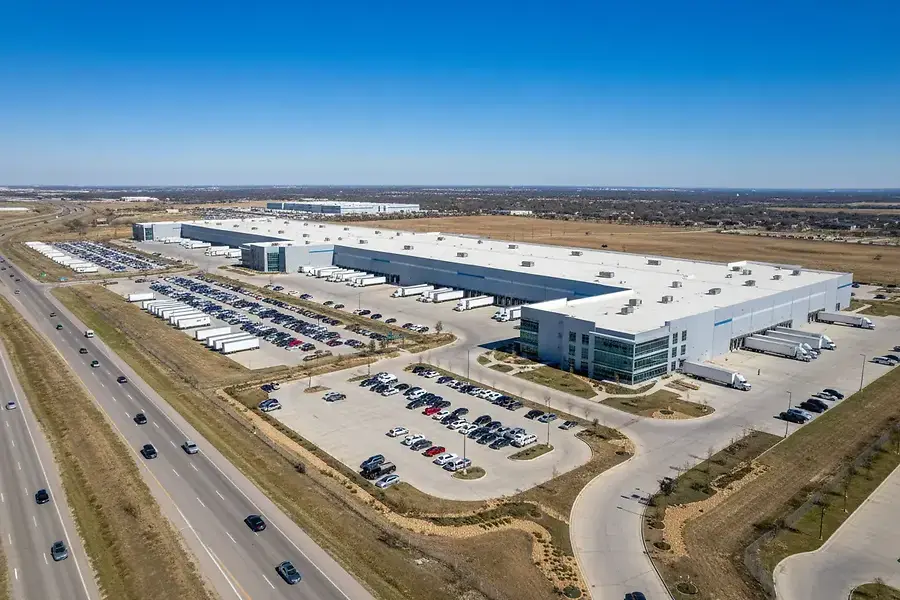
Understanding the DFW Industrial Market Transformation
The Dallas-Fort Worth metroplex has emerged as one of the nation's most dynamic industrial real estate markets, experiencing significant shifts in warehouse leasing patterns and demand. This transformation reflects broader changes in how companies approach supply chain management, distribution networks, and last-mile delivery solutions. Understanding these trends is essential for investors, business owners, and logistics professionals seeking to capitalize on emerging opportunities.
The DFW region's strategic geographic location, combined with its robust transportation infrastructure and business-friendly environment, has positioned it as a prime hub for industrial operations. Major highways, rail connections, and proximity to multiple metropolitan areas have made the region increasingly attractive for companies looking to optimize their distribution networks.
E-Commerce Growth and Its Impact on Warehouse Space Demand
The E-Commerce Revolution
E-commerce has fundamentally reshaped warehouse demand across the DFW market. The shift toward online shopping has created unprecedented demand for fulfillment centers, distribution hubs, and last-mile delivery facilities. Companies are no longer simply storing inventory—they're establishing sophisticated logistics networks designed to meet consumer expectations for rapid delivery.
- Fulfillment Center Expansion: Major retailers and third-party logistics providers have significantly increased their warehouse footprint in the region to support faster order fulfillment and reduced delivery times.
- Last-Mile Delivery Hubs: Smaller, strategically located facilities have become essential for companies aiming to deliver products within hours rather than days.
- Returns Processing Centers: The rise in online returns has created demand for specialized warehouse space dedicated to processing and restocking returned merchandise.
Supply Chain Resilience and Diversification
Companies have learned valuable lessons about supply chain vulnerability. Many organizations are now diversifying their distribution networks and establishing regional hubs to reduce dependency on single locations. The DFW market has benefited significantly from this strategic shift, attracting companies seeking to build more resilient supply chains.
This diversification trend has created sustained demand for various warehouse formats, from large-scale distribution centers to smaller, specialized facilities.
Current Rental Rates, Vacancy Trends, and Investment Opportunities
Rental Rate Dynamics
Industrial warehouse rental rates in the DFW market have experienced notable appreciation in recent periods. Several factors contribute to this upward pressure:
- Limited availability of modern, well-located warehouse space
- High construction costs and labor expenses
- Strong tenant demand from e-commerce and logistics companies
- Increased focus on sustainability and modern facility standards
Average rental rates have climbed steadily, with premium locations commanding higher premiums. Class A facilities with modern amenities, advanced technology integration, and optimal logistics positioning continue to attract the most competitive bids from prospective tenants.
Vacancy Trends and Market Tightness
The DFW industrial market has maintained relatively tight vacancy rates, reflecting strong demand and limited new supply. This market tightness has created favorable conditions for property owners and investors while challenging tenants seeking affordable space.
"The combination of strong demand, limited available space, and strategic location has positioned DFW as one of the most attractive industrial markets in the nation for both operators and investors."
Investment Opportunities
The current market environment presents several compelling investment opportunities:
- Core Industrial Properties: Stabilized, well-leased facilities in prime locations continue to deliver consistent returns and strong appreciation potential.
- Value-Add Opportunities: Properties requiring modernization or repositioning offer attractive risk-adjusted returns for active investors.
- Development Projects: Strategic land parcels and development opportunities remain available for investors willing to undertake new construction projects.
- Specialized Facilities: Warehouses designed for specific uses—such as cold storage, automotive, or high-tech manufacturing—command premium valuations and attract specialized tenants.
Market Segments and Differentiation
The DFW market encompasses several distinct segments, each with unique characteristics and opportunities:
- North Dallas Corridor: Proximity to major highways and airports makes this area ideal for time-sensitive logistics operations.
- Fort Worth Industrial District: Established industrial infrastructure and competitive pricing attract mid-market operators and regional distributors.
- Emerging Submarkets: Developing areas offer growth potential and lower entry costs for forward-thinking investors.
Positioning Your Portfolio for DFW Industrial Success
Success in the DFW industrial market requires a strategic approach that accounts for current trends and anticipates future developments. Investors and operators should consider the following factors when making decisions:
Location Strategy: Proximity to major transportation corridors, population centers, and key customer markets remains paramount. Properties positioned along major highways and near intermodal facilities command premium valuations.
Facility Specifications: Modern warehouses with high ceilings, advanced loading capabilities, and integrated technology systems attract premium tenants and support higher rental rates. Investment in facility upgrades and technology integration can significantly enhance property value.
Tenant Diversification: While e-commerce and logistics companies dominate current demand, maintaining exposure to diverse tenant bases reduces risk and provides stability through market cycles.
Sustainability Considerations: Environmental sustainability has become increasingly important to institutional investors and corporate tenants. Properties featuring energy-efficient systems, renewable energy options, and sustainable design elements attract quality tenants and support long-term value appreciation.
The DFW industrial warehouse market continues to evolve, presenting both challenges and opportunities for investors and operators. By understanding current trends, recognizing emerging patterns, and positioning portfolios strategically, stakeholders can capitalize on the region's continued growth and prosperity. The combination of strong fundamentals, strategic location, and sustained demand positions DFW as an essential market for industrial real estate portfolios.
The future of DFW's industrial market looks promising, with continued growth expected as companies recognize the region's unique advantages and strategic importance to their supply chain operations.