Industrial Zoning and Land Use in Sherman Oaks and Culver City
Navigate zoning regulations and maximize your commercial property's potential in these high-demand LA markets.

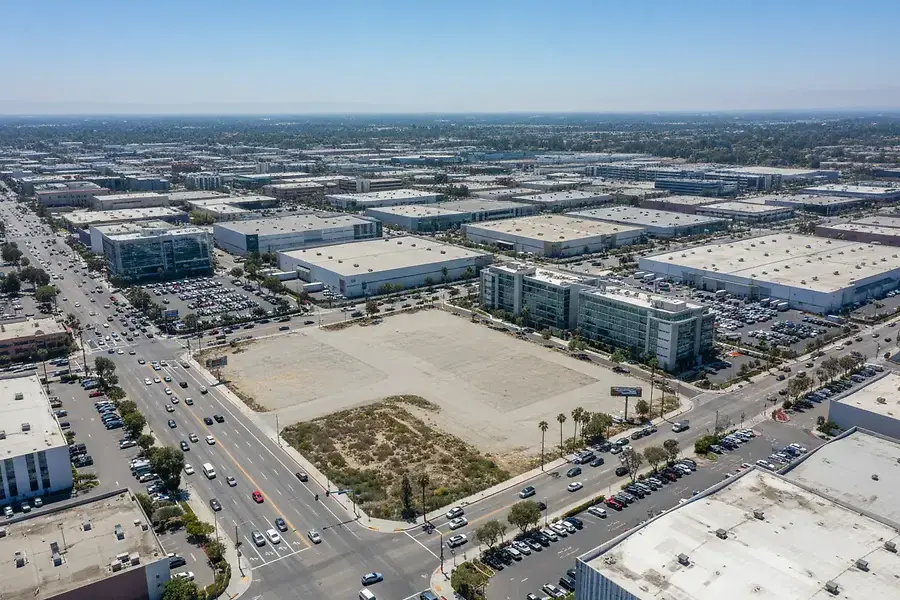
Understanding Industrial and Commercial Zoning in Sherman Oaks and Culver City
Sherman Oaks and Culver City represent two of Los Angeles's most dynamic commercial real estate markets, each with distinct zoning characteristics that shape development opportunities. Understanding these zoning frameworks is essential for investors and business owners looking to capitalize on the region's growth.
Sherman Oaks features a diverse mix of zoning designations, including commercial, industrial, and mixed-use zones. The area's proximity to major transportation corridors and established business districts makes it particularly attractive for retail, office, and light industrial operations. The city's zoning code emphasizes compatibility with residential neighborhoods while encouraging economic development.
Culver City, meanwhile, has positioned itself as a creative and industrial hub. The city's zoning regulations actively support media production, technology companies, and manufacturing operations. Culver City's strategic approach to zoning has transformed it into a destination for entertainment and innovation-focused businesses.
Key Zoning Categories
- Light Industrial (M1): Allows manufacturing, warehousing, and distribution with minimal environmental impact
- Heavy Industrial (M2): Permits larger-scale manufacturing and processing operations
- Commercial (C): Supports retail, office, and service-oriented businesses
- Mixed-Use (MU): Combines residential, commercial, and sometimes industrial uses in single developments
How Zoning Regulations Impact Property Value and Development Potential
Zoning designations directly influence property values, rental rates, and development feasibility. A property zoned for light industrial use may command different pricing than one zoned for heavy industrial, depending on market demand and operational flexibility.
Property Value Implications
Properties in Sherman Oaks with commercial zoning near transit corridors typically appreciate faster than those in purely residential zones. Culver City's industrial zones have seen significant value appreciation due to the city's reputation as a creative and tech-forward community. Investors who understand these dynamics can identify undervalued opportunities before market corrections occur.
Development Potential and Constraints
Zoning regulations establish floor area ratios (FAR), setback requirements, and height restrictions that determine how much development is possible on a given parcel. In Sherman Oaks, some commercial zones allow FAR up to 2.0, while Culver City's creative industrial zones may permit higher densities in certain areas.
"Understanding the specific zoning code for your property is the foundation of any successful commercial real estate strategy. One overlooked restriction can derail an entire development plan."
Environmental and Use Restrictions
Both cities impose environmental review requirements and conditional use permits for certain operations. Properties near sensitive areas may face additional restrictions on noise, emissions, or traffic generation. These factors can significantly impact operational costs and feasibility.
Practical Steps for Evaluating Zoned Properties and Securing Approvals
Step 1: Conduct a Comprehensive Zoning Analysis
Before acquiring any commercial property, obtain a detailed zoning report from the city planning department. This report should clarify:
- Current zoning designation and permitted uses
- Floor area ratio and height limitations
- Parking and setback requirements
- Any overlays or special district designations
- Conditional use permit requirements for your intended use
Step 2: Evaluate Market Demand and Competitive Positioning
Research comparable properties and rental rates in your target zone. In Sherman Oaks, light industrial spaces near the Ventura Boulevard corridor command premium rates. In Culver City, creative office and production spaces are in high demand. Understanding market dynamics helps you assess whether a property's zoning supports profitable operations.
Step 3: Assess Approval Requirements and Timeline
Some uses require conditional use permits, variance applications, or general plan amendments. These processes can take 3-6 months or longer. Budget for professional planning consultants and legal fees, as these investments often prove worthwhile in securing approvals efficiently.
Step 4: Engage with City Planning Departments
Establish relationships with planning staff in both Sherman Oaks and Culver City. Pre-application meetings can clarify requirements and identify potential obstacles before formal applications. This proactive approach often accelerates the approval process and reduces surprises.
Step 5: Document Everything and Plan for Contingencies
Maintain detailed records of all zoning inquiries, correspondence, and approvals. Include contingency clauses in purchase agreements that allow you to back out if zoning approvals cannot be secured. This protects your investment and provides negotiating leverage.
Key Takeaways for Commercial Investors and Business Owners
- Zoning is foundational: Never underestimate the importance of understanding local zoning codes. A property's zoning designation determines its highest and best use.
- Location matters within zones: Even within the same zoning category, proximity to transit, major roads, and complementary businesses affects value and operational success.
- Flexibility has value: Properties with mixed-use zoning or those in areas with flexible overlay districts often command premiums due to operational flexibility.
- Professional guidance pays dividends: Engaging experienced planning consultants and real estate attorneys early in the process can save time, money, and frustration.
- Market trends evolve: Keep monitoring how zoning regulations change. Both Sherman Oaks and Culver City regularly update their codes to reflect economic shifts and community priorities.
- Build relationships: Success in commercial real estate often depends on understanding local decision-makers and planning processes. Invest time in building these relationships.
Sherman Oaks and Culver City offer exceptional opportunities for commercial investors and business owners willing to navigate zoning regulations strategically. By conducting thorough due diligence, understanding local market dynamics, and engaging professional expertise, you can unlock significant value and build thriving operations in these vibrant LA markets.


