Investing in Michigan Suburbs: Which Communities Offer the Best Returns
Discover which Metro Detroit communities offer the strongest appreciation and rental opportunities for savvy real estate investors.

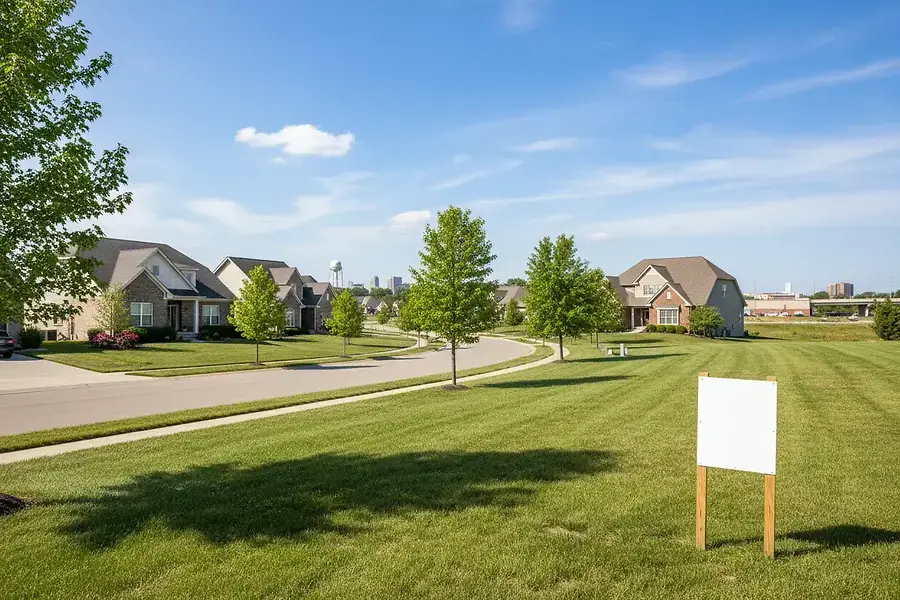
Why Michigan's Suburbs Are Attracting Investors
Michigan's suburban communities, particularly those surrounding Detroit, have emerged as compelling investment destinations for real estate investors seeking strong returns and stable cash flow. The region's combination of affordable entry points, growing population centers, and improving economic fundamentals has created a unique opportunity for both seasoned and novice investors.
Unlike coastal markets saturated with competition and sky-high valuations, Michigan suburbs offer genuine value with meaningful appreciation potential. The area has experienced a renaissance in recent years, driven by tech sector growth, corporate relocations, and a renewed focus on urban revitalization that extends into surrounding communities.
Comparing Appreciation Rates and Market Fundamentals Across Five Key Communities
Ann Arbor and the University Corridor
Ann Arbor stands out as a premier investment destination, anchored by the University of Michigan and a thriving tech ecosystem. The community has experienced consistent double-digit appreciation over the past several years, with median home values climbing steadily. The presence of major employers like Google, Amazon, and numerous biotech firms ensures strong demand for both residential and rental properties.
Key investment metrics for Ann Arbor include:
- Strong job growth in tech and healthcare sectors
- High rental demand from university students and young professionals
- Limited housing inventory driving appreciation
- Excellent schools and quality of life factors
Bloomfield Hills and Northern Suburbs
Bloomfield Hills represents the premium end of the market, offering established wealth, excellent schools, and consistent appreciation. While entry prices are higher, the community's stability and desirability make it attractive for investors seeking long-term wealth building rather than quick flips.
The northern suburbs corridor benefits from:
- Strong school districts attracting families
- Proximity to major employment centers
- Stable property values with steady appreciation
- Lower vacancy rates and reliable tenant quality
Canton and Western Communities
Canton has emerged as an undervalued gem for investors seeking strong returns on more modest investments. Located west of Detroit, this community offers significantly lower entry prices while maintaining solid fundamentals and growth potential. The area has attracted young families and professionals seeking affordable suburban living without sacrificing amenities.
Canton's investment appeal includes:
- Lower median home prices compared to eastern suburbs
- Growing population and new development
- Improving commercial infrastructure
- Strong rental demand from young professionals
Dearborn and Industrial Communities
Dearborn's proximity to Ford Motor Company headquarters and other major employers creates unique investment opportunities. The community has benefited from industrial revitalization and workforce stability, making it particularly attractive for buy-and-hold investors seeking reliable rental income.
Novi and Tech Corridor Communities
Novi has positioned itself as a technology and corporate hub, with major companies establishing offices and operations in the area. This transformation has driven significant appreciation and attracted a demographic of higher-earning professionals, creating premium rental opportunities.
Rental Income Potential and Long-Term Investment Strategy
Understanding the Rental Market Dynamics
Michigan's suburban rental market offers compelling income potential, with cap rates ranging from 4% to 7% depending on the community and property type. The key to maximizing returns lies in understanding local market dynamics and selecting properties that align with demand patterns.
Several factors drive rental demand in Michigan suburbs:
- Corporate relocations bringing new residents to the area
- University populations creating consistent demand for student housing
- Young professionals seeking affordable alternatives to urban living
- Families attracted by school quality and suburban amenities
Strategic Investment Approaches
Successful investors in Michigan suburbs employ varied strategies based on their goals and capital availability. Buy-and-hold investors focus on properties with strong rental income and appreciation potential, typically targeting single-family homes and small multifamily properties in established communities.
The most effective long-term strategy involves:
- Identifying communities with strong employment growth
- Selecting properties in school districts with solid reputations
- Analyzing rental demand relative to supply
- Considering future development and infrastructure improvements
- Building a diversified portfolio across multiple communities
Maximizing Returns Through Property Selection
Not all properties in appreciating communities deliver equal returns. Smart investors focus on properties that offer both appreciation potential and strong rental income. This might mean targeting slightly older homes in desirable neighborhoods that can be updated to command premium rents, or identifying emerging neighborhoods before they reach peak popularity.
The best real estate investments combine three elements: strong fundamentals, rental demand, and appreciation potential. Michigan's suburbs offer all three in abundance.
Making Your Move in Michigan's Residential Investment Landscape
Michigan's suburban communities represent a compelling opportunity for real estate investors seeking meaningful returns without the competition and pricing pressures of coastal markets. Whether you're drawn to Ann Arbor's tech-driven growth, Bloomfield Hills' stability, Canton's value proposition, or Novi's corporate appeal, the region offers diverse options for various investment strategies.
The time to invest in Michigan suburbs is now, as the region continues to attract talent, businesses, and capital. By focusing on communities with strong fundamentals, understanding local rental dynamics, and adopting a long-term perspective, investors can build substantial wealth while contributing to the revitalization of these vibrant communities.
Success in Michigan real estate requires research, patience, and a clear investment strategy. Start by identifying which communities align with your investment goals, analyze the specific neighborhoods within those communities, and position yourself to capitalize on the region's continued growth and appreciation.