Investing in Omaha Metro Residential Properties: A Strategic Guide
Discover the top neighborhoods and investment opportunities across Bennington, Fort Calhoun, Papillion, Bellevue, Valley, Omaha, Plattsmouth, Gretna, Blair, Waterloo, and Elkhorn for building your real estate portfolio.

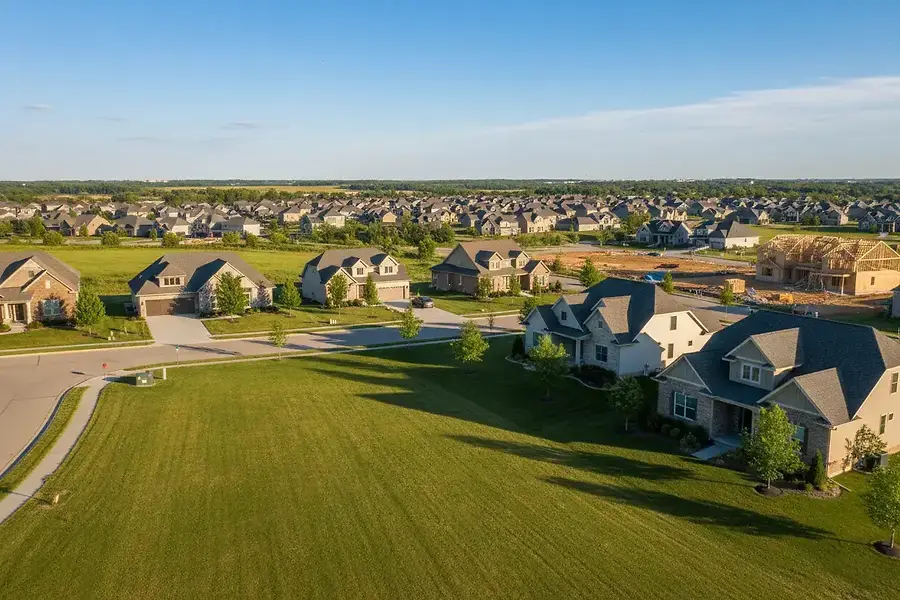
Understanding the Omaha Metro Real Estate Market: Growth Trends and Investment Potential
The Omaha metropolitan area has emerged as one of the Midwest's most dynamic real estate markets, attracting investors seeking stable returns and long-term appreciation. The region's diversified economy, driven by finance, insurance, healthcare, and technology sectors, creates a robust foundation for residential property investment.
Market fundamentals remain strong with consistent population growth, rising household formation, and increasing demand for quality housing. The Omaha metro area continues to experience steady appreciation rates that outpace national averages, making it an attractive destination for both seasoned and novice investors. Key factors driving this growth include low unemployment rates, affordable cost of living compared to coastal markets, and strong community development initiatives.
Investors should note that the residential market shows particular strength in suburban communities surrounding Omaha, where new construction and renovation opportunities abound. The region's affordability compared to major metropolitan areas means investors can acquire multiple properties or larger portfolios with reasonable capital requirements.
Community Profiles: Which Neighborhoods Offer the Best Value and Growth Prospects
Premium Growth Communities
Papillion and Elkhorn represent the region's fastest-growing suburban markets. These communities offer excellent schools, modern infrastructure, and family-friendly amenities that drive consistent demand. Properties here command premium prices but show strong appreciation potential and reliable rental income.
Bellevue combines suburban charm with urban convenience, featuring diverse housing stock and a growing commercial sector. The community's strategic location near major employment centers makes it attractive for both owner-occupants and investors seeking rental properties.
Value-Oriented Opportunities
Valley, Gretna, and Waterloo offer emerging investment opportunities with lower entry costs. These communities are experiencing gradual revitalization and infrastructure improvements that position them for future appreciation. Investors with longer time horizons may find exceptional value in these markets.
Plattsmouth and Blair provide rural charm with growing suburban characteristics. These communities appeal to buyers seeking space and affordability, creating opportunities for investors targeting first-time homebuyers and families relocating from urban areas.
Established Markets
Omaha's core neighborhoods offer stability and consistent rental demand. Areas like Dundee, Benson, and Midtown feature established communities with strong tenant bases. Fort Calhoun and Bennington round out the portfolio with smaller-scale opportunities in developing areas with growth potential.
Evaluating Property Types: Single-Family Homes, Multi-Unit Properties, and Emerging Opportunities
Single-Family Homes
Single-family homes remain the cornerstone of Omaha metro real estate investment. These properties offer:
- Lower management complexity and operational costs
- Strong demand from owner-occupants and families
- Easier financing and conventional lending options
- Appreciation potential aligned with neighborhood growth
- Tax advantages and favorable depreciation schedules
The Omaha market shows particular strength in homes priced between $200,000 and $350,000, where demand consistently outpaces supply. Newer construction and recently renovated properties command premium rents and attract quality tenants.
Multi-Unit Properties
Duplexes, triplexes, and small apartment buildings offer higher income potential and operational efficiency. The Omaha metro area's growing renter population supports strong occupancy rates for well-maintained multi-unit properties. These properties typically generate higher cash flow and provide portfolio diversification benefits.
Multi-unit investments require more sophisticated management but offer economies of scale in maintenance, utilities, and tenant acquisition. Investors should focus on properties in high-demand areas with strong rental markets and stable tenant bases.
Emerging Opportunities
The Omaha metro area presents several emerging investment categories:
- New construction developments in Papillion, Elkhorn, and Bellevue offer turnkey rental properties
- Value-add properties in transitional neighborhoods provide renovation and appreciation opportunities
- Mixed-use developments combining residential and commercial space in urban core areas
- Build-to-rent communities offering institutional-quality residential investments
Making Your Investment Decision: Key Metrics and Next Steps for Success
Essential Investment Metrics
Successful Omaha metro real estate investors evaluate properties using critical financial metrics:
- Cap Rate: Target 5-7% for stabilized properties in established neighborhoods
- Cash-on-Cash Return: Aim for 8-12% annual returns on invested capital
- Price-to-Rent Ratio: Look for ratios below 15:1 in value markets
- Appreciation Potential: Research historical trends and future development plans
- Occupancy Rates: Verify neighborhood rental demand and tenant stability
The best investment is one that aligns with your financial goals, risk tolerance, and time horizon. Omaha's diverse market offers opportunities for every investor profile.
Action Steps for Prospective Investors
1. Conduct Market Research: Study neighborhood trends, employment growth, and development plans across your target communities. Understanding local dynamics is crucial for identifying undervalued opportunities.
2. Build Your Investment Team: Partner with experienced local real estate agents, property managers, and accountants familiar with the Omaha market. Their expertise accelerates decision-making and reduces costly mistakes.
3. Analyze Comparable Sales: Review recent transactions in your target neighborhoods to establish realistic pricing and rental rate expectations. This data-driven approach prevents overpaying for properties.
4. Evaluate Financing Options: Compare conventional loans, portfolio loans, and alternative financing structures. The Omaha market's competitive lending environment offers favorable terms for qualified investors.
5. Develop a Property Management Strategy: Decide whether to self-manage or hire professional management. Professional management costs 8-12% of rental income but provides expertise and tenant screening.
6. Start Small and Scale: Consider purchasing one or two properties initially to understand local market dynamics before expanding your portfolio. This approach reduces risk while building experience.
Final Thoughts
The Omaha metropolitan area offers compelling residential real estate investment opportunities across diverse neighborhoods and property types. Whether you're seeking stable cash flow from established communities or appreciation potential in emerging markets, the region provides options for every investment strategy.
Success in Omaha metro real estate requires patience, research, and a clear understanding of your investment objectives. By leveraging the community profiles, property type analysis, and investment metrics outlined in this guide, you can build a profitable real estate portfolio positioned for long-term growth and financial success.