Investing in Portland's Mixed-Use Properties: A Complete Guide
Learn how to evaluate, buy, and profit from residential-commercial hybrid properties in Portland's dynamic real estate market.

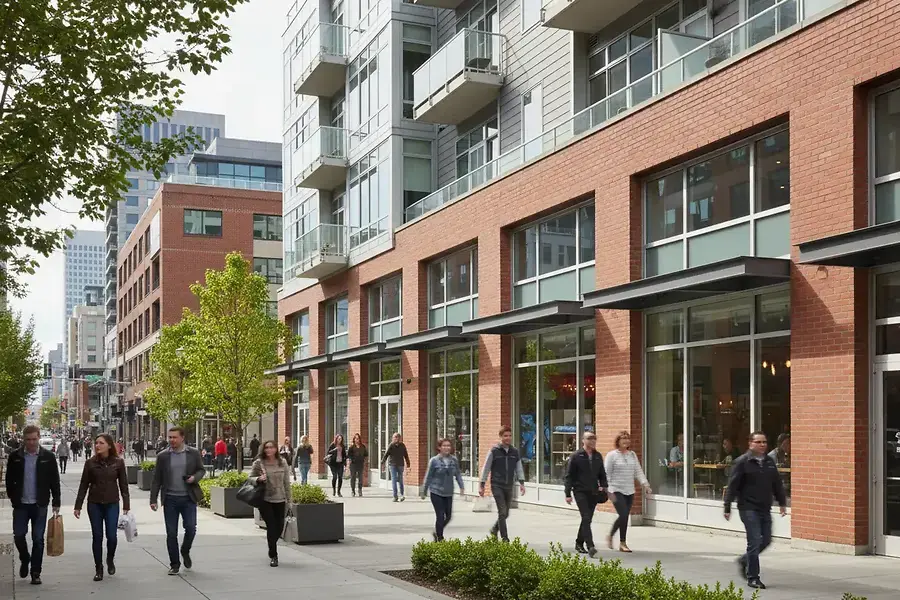
Why Mixed-Use Properties Are Reshaping Portland Real Estate
Portland's real estate landscape is undergoing a significant transformation, and mixed-use properties are at the forefront of this evolution. These hybrid developments—combining residential units with commercial spaces—are attracting savvy investors who recognize the unique opportunities they present. Unlike traditional single-use properties, mixed-use developments generate multiple revenue streams, reduce vacancy risks, and align perfectly with Portland's urban development goals.
The city's commitment to walkable neighborhoods and sustainable development has created unprecedented demand for properties that blend living and working spaces. This convergence of market demand and urban planning creates a golden opportunity for investors willing to understand the nuances of this property type.
Types of Mixed-Use Properties and Their Investment Potential in Portland
Residential Over Retail
This is the most common mixed-use configuration in Portland. Ground-floor retail or restaurants sit beneath residential apartments or condos. The appeal is straightforward: residential tenants provide stable, long-term income while retail spaces capture foot traffic and additional revenue. Portland's vibrant neighborhoods like Pearl District and Southeast Division have thrived with this model.
Live-Work Spaces
Increasingly popular among entrepreneurs and creative professionals, live-work units combine a residential apartment with a dedicated commercial or office space. These properties attract a specific demographic willing to pay premium prices for convenience and flexibility. The market for live-work spaces in Portland continues to expand, particularly in areas near tech hubs and creative districts.
Hotel-Residential Hybrids
These properties combine short-term hotel accommodations with long-term residential units. While more complex to manage, they offer exceptional profit potential through diversified income streams. The hospitality component provides higher per-night revenue, while residential units ensure baseline occupancy.
Office-Residential Combinations
With remote work reshaping office demand, forward-thinking investors are combining professional office space with residential units. This model works particularly well in Portland's emerging neighborhoods where professionals seek proximity to their workspace.
Essential Steps for Buying, Selling, or Investing in Mixed-Use Properties
Step 1: Conduct Thorough Market Analysis
Before committing capital, understand Portland's zoning regulations, neighborhood demographics, and commercial demand. Research:
- Local zoning laws and permitted uses in your target area
- Demographic trends and population growth projections
- Retail vacancy rates and commercial lease rates
- Comparable mixed-use property sales and valuations
- Future development plans that might impact your investment
Step 2: Evaluate Financial Viability
Mixed-use properties require more sophisticated financial analysis than single-use properties. Calculate:
- Blended cap rates that account for both residential and commercial income
- Separate operating expenses for each component
- Potential vacancy rates for both residential and commercial spaces
- Management complexity and associated costs
- Long-term appreciation potential in the neighborhood
Pro Tip: Always model conservative scenarios. Mixed-use properties can be lucrative, but they require careful financial planning and realistic assumptions about occupancy rates.
Step 3: Understand Financing Challenges
Lenders view mixed-use properties differently than single-use properties. You may encounter stricter lending requirements and higher interest rates. Work with lenders experienced in mixed-use financing, and be prepared to provide:
- Detailed pro forma financial statements
- Market analysis supporting your revenue projections
- Management plans demonstrating operational expertise
- Larger down payments than traditional residential properties
Step 4: Assess Property Condition and Compliance
Mixed-use properties have dual compliance requirements. Ensure the property meets:
- Residential building codes and safety standards
- Commercial building codes and ADA accessibility requirements
- Fire safety regulations for mixed-use buildings
- Parking requirements for both residential and commercial uses
- Environmental compliance standards
Step 5: Develop a Comprehensive Management Strategy
Managing mixed-use properties requires specialized expertise. Decide whether to self-manage or hire professional property management. Consider:
- Separate management systems for residential and commercial tenants
- Shared amenity maintenance and cost allocation
- Tenant interaction policies and conflict resolution
- Marketing strategies for both property types
- Maintenance scheduling that minimizes disruption
Step 6: Negotiate and Close Strategically
When negotiating a mixed-use property purchase, leverage your market knowledge and financial analysis. Request:
- Detailed tenant leases and rent rolls
- Historical operating statements for at least three years
- Capital improvement plans and deferred maintenance assessments
- Tenant estoppel certificates confirming lease terms
- Environmental assessments and compliance documentation
Conclusion: Becoming the Local Expert in Portland's Mixed-Use Market
Portland's mixed-use property market represents a compelling opportunity for investors willing to master its complexities. Success requires understanding both residential and commercial real estate dynamics, careful financial analysis, and strategic property management.
The investors who thrive in this space are those who invest time in learning local market conditions, build relationships with experienced professionals, and approach each property with thorough due diligence. As Portland continues to evolve toward walkable, mixed-use neighborhoods, the demand for these properties will only increase.
Whether you're a seasoned real estate investor or exploring mixed-use properties for the first time, Portland offers exceptional opportunities. Start by analyzing your local market, connecting with experienced professionals, and positioning yourself as a knowledgeable investor ready to capitalize on this dynamic segment of Portland's real estate market.


