Investment Opportunities Across DFW's Residential and Commercial Markets
Discover which neighborhoods and corridors in the Dallas-Fort Worth area offer the strongest returns for mixed-use and multi-purpose property investments.

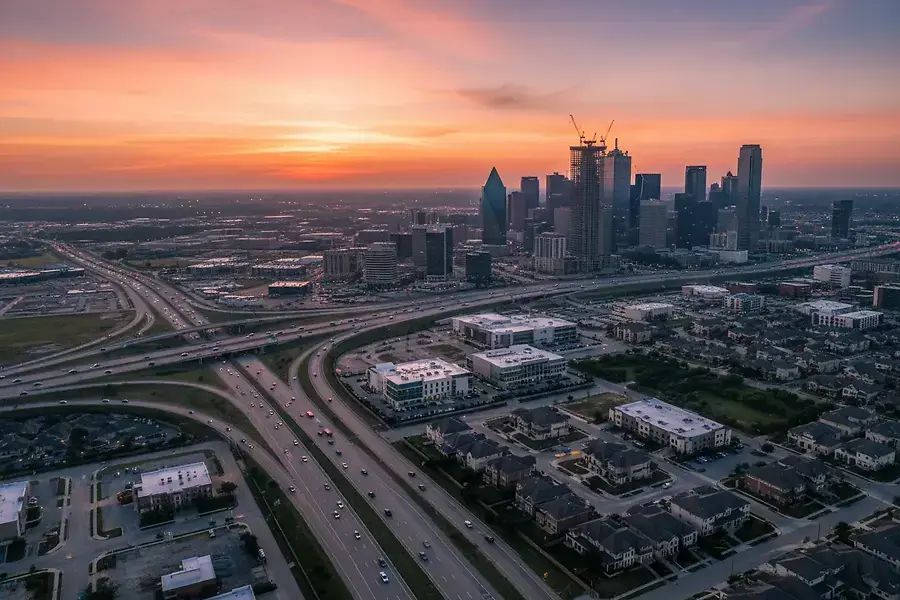
Introduction: Understanding DFW's Diverse Real Estate Investment Landscape
The Dallas-Fort Worth metroplex stands as one of America's most dynamic real estate markets, attracting investors from across the nation seeking strong returns and long-term growth potential. With a population that continues to expand rapidly and a diverse economic base spanning technology, healthcare, finance, and manufacturing, DFW offers compelling opportunities for both residential and commercial property investors.
The region's appeal lies in its combination of affordable entry points compared to coastal markets, robust job creation, and strategic geographic positioning. Whether you're a seasoned investor or exploring your first major property acquisition, understanding the nuances of DFW's various neighborhoods and commercial corridors is essential for making informed decisions that align with your investment goals.
Residential Growth Areas: Where Population Trends Drive Property Values in Dallas, Carrollton, Irving, and Beyond
Dallas: The Urban Core and Emerging Neighborhoods
Dallas continues to attract young professionals and families seeking vibrant urban living combined with suburban convenience. Uptown Dallas remains a premier destination for luxury residential investments, with high-rise apartments and mixed-use developments commanding premium prices. However, savvy investors are increasingly looking at emerging neighborhoods like Deep Ellum and East Dallas, where gentrification trends and cultural revitalization are driving property appreciation.
The Bishop Arts District and surrounding areas offer excellent opportunities for investors seeking properties with strong appreciation potential. These neighborhoods benefit from:
- Proximity to downtown employment centers
- Growing restaurant and entertainment scenes
- Younger demographic migration patterns
- Increasing commercial development
Carrollton: Suburban Stability and Family Appeal
Carrollton represents a sweet spot for residential investors seeking stable, family-oriented communities with consistent appreciation. The area's excellent school districts, well-maintained neighborhoods, and proximity to major employment corridors make it attractive to a broad demographic. Single-family homes in established subdivisions continue to appreciate steadily, while newer developments offer opportunities for ground-floor entry into the market.
The city's strategic location between Dallas and Fort Worth, combined with easy access to major highways, makes it particularly appealing for investors targeting middle-income families and young professionals.
Irving and Beyond: Corporate Corridors and Growth Potential
Irving's position as a major corporate hub—home to numerous Fortune 500 companies—creates sustained demand for residential properties. The Las Colinas area particularly stands out, offering upscale residential options near major business parks. Additionally, emerging suburbs like Frisco, Plano, and Lewisville are experiencing explosive growth, with new residential developments attracting families seeking modern amenities and excellent schools.
These northern suburbs offer investors:
- High population growth rates exceeding regional averages
- New construction opportunities with modern finishes
- Strong rental demand from corporate relocations
- Expanding infrastructure and amenities
Commercial and Mixed-Use Opportunities: Strategic Locations in Fort Worth, Mesquite, and Emerging Suburbs
Fort Worth: The Commercial Renaissance
Fort Worth has emerged as a major commercial hub, rivaling Dallas in many sectors. The Fort Worth Central Business District continues to attract office investments, while the Sundance Square area represents a premier mixed-use destination combining retail, office, and residential components. The city's lower commercial real estate costs compared to Dallas make it particularly attractive for investors seeking higher cap rates.
Warehouse and logistics properties in Fort Worth's industrial corridors are experiencing exceptional demand, driven by e-commerce growth and supply chain optimization. The city's strategic position on major transportation routes makes it ideal for distribution centers and fulfillment operations.
Mesquite: Industrial and Retail Convergence
Mesquite has positioned itself as a premier location for industrial and retail investments. The city's I-20 corridor offers excellent visibility and accessibility for commercial properties, while its lower land costs compared to Dallas and Fort Worth provide attractive entry points. Retail centers and mixed-use developments in Mesquite continue to attract national tenants and generate strong returns for investors.
Emerging Suburbs: The Next Frontier
Forward-thinking investors are increasingly exploring emerging suburbs like Arlington, Mansfield, and Burleson, where commercial development is accelerating. These areas offer:
- Lower acquisition costs with significant upside potential
- Rapid population growth supporting retail and service businesses
- Less competition from institutional investors
- Opportunities to establish early positions in growing markets
Mixed-use developments in these areas—combining residential, retail, and office space—are becoming increasingly popular, offering investors diversified income streams and resilience against market fluctuations.
Conclusion: Positioning Yourself in DFW's Most Profitable Real Estate Segments
The Dallas-Fort Worth real estate market presents exceptional opportunities for investors willing to conduct thorough research and understand local market dynamics. Success in this market requires balancing several factors: demographic trends, employment growth, infrastructure development, and competitive positioning.
For residential investors, focusing on high-growth suburbs with strong school systems and family appeal offers reliable appreciation potential. Urban neighborhoods undergoing revitalization present higher-risk, higher-reward opportunities for those with longer investment horizons. Commercial investors should prioritize strategic locations along major corridors with strong tenant demand and logistics advantages.
The key to maximizing returns in DFW's real estate market is understanding that different neighborhoods and property types serve different investor profiles and timelines. Whether you're seeking steady cash flow from rental properties, appreciation from emerging neighborhoods, or strong cap rates from commercial investments, the DFW metroplex offers pathways to success.
As the region continues to grow and evolve, early positioning in high-potential areas can yield substantial long-term returns. By staying informed about market trends, demographic shifts, and infrastructure developments, investors can identify opportunities before they become obvious to the broader market—the hallmark of successful real estate investing.


