Investment Opportunities in Boston Area Residential and Commercial Real Estate
Discover why savvy investors are turning to South Shore and Greater Boston communities for strong returns and diverse property portfolios.

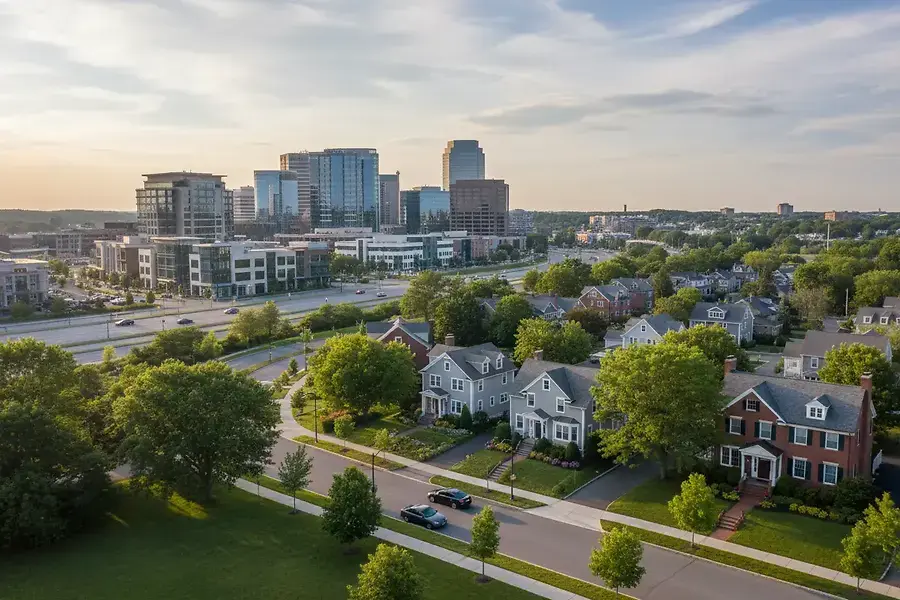
The Current Investment Landscape in Greater Boston
The Greater Boston real estate market continues to demonstrate resilience and growth potential for investors seeking diversified portfolio opportunities. With a strong economy anchored by world-class educational institutions, healthcare facilities, and technology companies, the region offers compelling reasons for both seasoned and emerging investors to take notice.
The Boston area has experienced steady appreciation in property values, driven by consistent demand from both owner-occupants and investors. The South Shore communities, in particular, have emerged as hotspots for investment activity, offering more affordable entry points compared to central Boston while maintaining strong fundamentals and growth trajectories.
Key market drivers include:
- Population growth and migration patterns favoring suburban communities
- Remote work flexibility increasing demand for properties outside urban centers
- Limited housing inventory supporting price stability and appreciation
- Strong rental demand across residential and commercial sectors
Residential Investment Potential Across South Shore Communities
Single-Family Homes and Multi-Unit Properties
The South Shore residential market presents exceptional opportunities for investors targeting both single-family homes and multi-unit properties. Communities such as Weymouth, Hingham, and Cohasset have seen increased investor interest due to their desirable locations, excellent schools, and strong rental markets.
Single-family homes in these areas continue to appreciate steadily, with rental yields that attract buy-and-hold investors. The region's proximity to employment centers and quality of life factors make these properties highly attractive to tenants, ensuring consistent occupancy rates and reliable income streams.
Emerging Neighborhoods and Value Opportunities
Savvy investors are identifying emerging neighborhoods within the South Shore that offer exceptional value before widespread appreciation occurs. Areas undergoing revitalization, infrastructure improvements, and commercial development present compelling opportunities for those willing to conduct thorough due diligence.
Investment considerations for residential properties:
- Cap rates ranging from 4-6% depending on location and property condition
- Average annual appreciation of 3-4% historically
- Strong tenant demand driven by limited inventory
- Favorable rental regulations compared to some neighboring markets
Rental Market Dynamics
The residential rental market in the Greater Boston area remains exceptionally strong. Demand continues to outpace supply, particularly for well-maintained properties in desirable neighborhoods. This supply-demand imbalance supports rental rate growth and provides investors with multiple exit strategies.
Commercial Real Estate Growth in Boston Area Neighborhoods
Office and Mixed-Use Development
Commercial real estate in the Boston area is experiencing a transformation. While traditional office space faces headwinds from remote work trends, mixed-use developments combining retail, office, and residential components are thriving. These properties offer investors diversified income streams and resilience against market fluctuations.
Neighborhoods like the Seaport District, Cambridge, and emerging areas along the Route 128 corridor continue to attract significant capital investment and development activity. These locations benefit from proximity to major employers, transportation infrastructure, and growing populations.
Retail and Service-Based Properties
Neighborhood retail and service-based commercial properties remain stable investment vehicles. Properties anchored by essential services—grocery stores, healthcare facilities, and professional offices—demonstrate consistent performance and lower vacancy rates.
"The key to successful commercial real estate investing in Boston is identifying properties with strong tenant fundamentals and long-term lease agreements," according to market analysts tracking the region's commercial sector.
Industrial and Logistics Real Estate
The industrial sector has emerged as a particularly attractive investment category. E-commerce growth and supply chain evolution have increased demand for warehouse and logistics facilities throughout the Greater Boston region. Properties offering modern amenities, efficient layouts, and strategic locations command premium valuations and strong tenant interest.
Commercial investment highlights:
- Diversified tenant bases reducing concentration risk
- Long-term lease agreements providing income stability
- Strong absorption rates in industrial and logistics sectors
- Opportunity for value-add strategies through property improvements
Strategic Investment Tips and Market Outlook
Due Diligence and Market Research
Successful real estate investors prioritize thorough due diligence before committing capital. This includes analyzing demographic trends, employment growth, school quality ratings, and infrastructure development plans. Understanding local zoning regulations and future development pipelines provides crucial insights into long-term appreciation potential.
Diversification Strategies
Building a resilient real estate portfolio requires diversification across property types and geographic locations within the Greater Boston area. Combining residential and commercial properties, varying unit counts, and targeting different neighborhoods reduces risk while maximizing return potential.
Recommended diversification approach:
- Mix of single-family homes and multi-unit residential properties
- Commercial properties with different tenant types and lease structures
- Geographic spread across South Shore and Greater Boston communities
- Balance between value-add opportunities and stabilized income-producing assets
Financing and Capital Strategies
Current financing conditions remain favorable for qualified investors. Working with lenders experienced in the Boston market ensures access to competitive rates and terms. Many investors are leveraging portfolio financing options that allow simultaneous refinancing of multiple properties, improving overall returns.
Market Outlook and Future Trends
The Greater Boston real estate market is positioned for continued growth driven by fundamental economic strength, limited housing supply, and sustained demand from both residents and businesses. The South Shore communities specifically are expected to benefit from continued migration patterns favoring suburban locations with strong schools and quality-of-life amenities.
Investors should anticipate steady appreciation, with particular strength in residential properties and industrial/logistics commercial real estate. Mixed-use developments and adaptive reuse projects will continue reshaping urban neighborhoods, creating opportunities for forward-thinking investors.
The Boston area remains one of the nation's most attractive real estate investment markets, offering a compelling combination of stability, growth potential, and diversified opportunities. Whether targeting residential properties in South Shore communities or commercial assets in emerging neighborhoods, investors have multiple pathways to building profitable, resilient portfolios in this dynamic market.