Investment Opportunities in Emerging Gulf Coast Neighborhoods
Discover high-potential residential markets across Escambia, Santa Rosa, and Baldwin counties where smart investors are building long-term wealth.

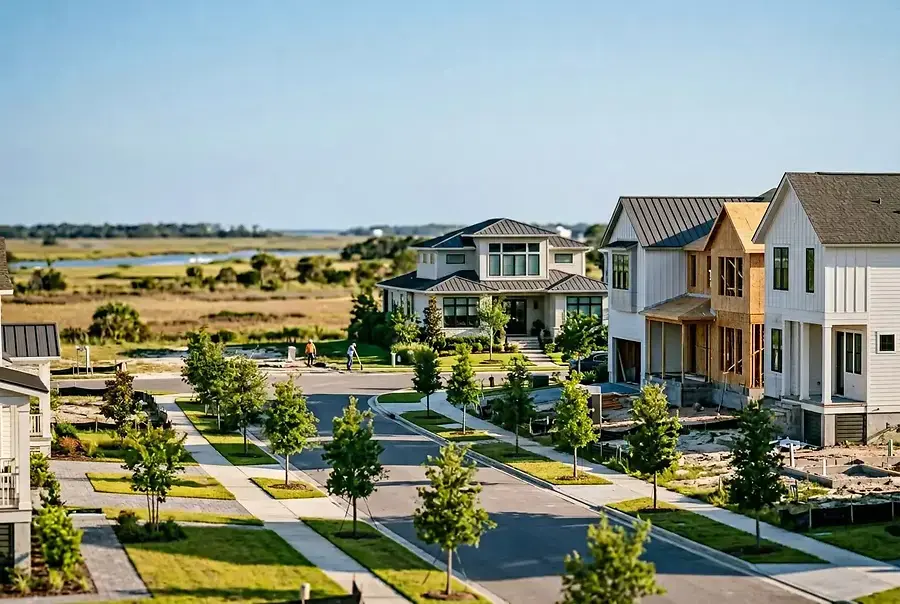
Understanding Market Growth Patterns Across Five Gulf Coast Counties
The Gulf Coast region has experienced significant economic transformation in recent years, creating unprecedented opportunities for residential real estate investors. The five-county area spanning Escambia, Santa Rosa, and Baldwin counties represents one of the most dynamic markets in the Southeast, driven by population migration, infrastructure development, and economic diversification.
Market analysts point to several key factors fueling growth in this region. Population influx from northern states continues to accelerate, with families and professionals seeking affordable living costs, favorable tax conditions, and coastal lifestyle benefits. Additionally, military installations and defense contractors provide stable employment bases that support sustained housing demand. Infrastructure improvements, including highway expansions and port modernization, have further enhanced the region's appeal to both residents and businesses.
The residential market has responded with steady appreciation rates that outpace national averages. Smart investors recognize that early entry into emerging neighborhoods can yield substantial long-term returns as these areas mature and amenities develop.
Identifying Up-and-Coming Neighborhoods with Strong Appreciation Potential
Characteristics of High-Potential Markets
Not all neighborhoods offer equal investment potential. Successful investors focus on specific indicators when evaluating emerging areas:
- Infrastructure Development: New roads, utilities, and public services indicate planned growth and future demand
- Population Growth Rates: Areas experiencing 5-10% annual population growth typically show stronger appreciation
- Employment Centers: Proximity to major employers provides stability and attracts quality residents
- School District Quality: Families prioritize education, making strong schools a key value driver
- Amenity Development: New parks, shopping centers, and recreational facilities enhance neighborhood desirability
Emerging Neighborhoods to Watch
Several neighborhoods across the three-county area demonstrate exceptional promise for investors. Inland communities near major employment centers are experiencing rapid development, with property values appreciating faster than established coastal areas. These neighborhoods offer lower entry prices while maintaining strong growth fundamentals.
Neighborhoods experiencing infrastructure investment show particularly strong potential. Areas receiving new commercial development, improved transportation corridors, and expanded utilities typically see accelerated appreciation within 3-5 years. Investors who identify these areas before major announcements can capture significant value appreciation.
The sweet spot for emerging market investment typically includes neighborhoods that are 5-10 years away from full maturity. These areas have established basic infrastructure and initial residential development but haven't yet reached peak prices, offering the best risk-reward balance.
Investment Strategies for Residential Properties in Emerging Markets
Buy-and-Hold Approach
The traditional buy-and-hold strategy remains highly effective in emerging markets. Investors purchase properties in up-and-coming neighborhoods with the intention of holding for 10+ years, allowing appreciation and rental income to build wealth. This approach works particularly well in the Gulf Coast region where population growth trends suggest sustained demand.
Key advantages include:
- Lower initial purchase prices compared to established neighborhoods
- Rental income from growing tenant demand
- Substantial appreciation potential as neighborhoods mature
- Tax benefits through depreciation and mortgage interest deductions
Value-Add Investing
Savvy investors purchase properties in emerging neighborhoods and make strategic improvements to increase value and rental income. This might include renovating outdated homes, upgrading amenities, or repositioning properties for different tenant demographics.
In emerging markets, value-add strategies often yield higher returns because the neighborhood fundamentals are improving simultaneously with property improvements. An investor who renovates a home while the neighborhood is developing new amenities benefits from both property-level and area-level appreciation.
Diversification Across Multiple Properties
Rather than concentrating investment in a single property or neighborhood, successful investors spread risk across multiple emerging areas. This approach reduces exposure to any single neighborhood's performance while capturing growth across the broader market.
Smart investors recognize that diversification across emerging neighborhoods provides both risk mitigation and enhanced return potential as multiple areas appreciate simultaneously.
Timing and Market Entry
Successful emerging market investing requires understanding market cycles. The optimal entry point is typically when infrastructure announcements have been made but development hasn't yet begun. This timing allows investors to purchase at lower prices while securing properties in areas with confirmed growth catalysts.
Investors should monitor local government planning documents, development permits, and infrastructure budgets to identify these opportunities before they become widely known.
Next Steps: How to Position Yourself Before the Market Shifts
Conduct Thorough Market Research
Begin by studying demographic trends, employment growth, and infrastructure plans across the three-county region. Local planning departments, economic development agencies, and real estate data services provide valuable insights into which neighborhoods are positioned for growth.
Build Your Investment Team
Successful real estate investing requires expertise. Assemble a team including a knowledgeable real estate agent familiar with emerging markets, a property inspector, a real estate attorney, and a tax advisor. These professionals help identify opportunities and navigate the investment process.
Secure Financing
Explore financing options before identifying specific properties. Pre-approval for investment property loans positions you to move quickly when opportunities arise. Emerging market properties often attract multiple buyers, so financing readiness provides a competitive advantage.
Start Small and Scale
Consider beginning with a single property in an emerging neighborhood to gain experience and confidence. As you understand the market and build equity, expand your portfolio strategically across multiple neighborhoods and property types.
Monitor and Adapt
Real estate markets evolve constantly. Successful investors maintain awareness of changing conditions, emerging neighborhoods, and shifting investment opportunities. Regular market analysis ensures your strategy remains aligned with current opportunities.
The Gulf Coast's emerging residential markets represent a compelling opportunity for investors willing to conduct thorough research and act strategically. By understanding growth patterns, identifying high-potential neighborhoods, and implementing sound investment strategies, you can position yourself to build substantial long-term wealth before these markets reach full maturity.


