Investment Opportunities in Long Island's Emerging Neighborhoods
Discover which up-and-coming areas across Long Island offer the best potential for residential property appreciation and buyer demand.

The Long Island Real Estate Landscape
Long Island's real estate market has long been recognized as one of the most dynamic and competitive in the Northeast. With its proximity to New York City, excellent school systems, and diverse community offerings, Long Island continues to attract homebuyers and investors alike. However, the traditional hotspots have become increasingly saturated, with prices reaching all-time highs in established neighborhoods. This shift has created a unique opportunity for savvy investors to identify and capitalize on emerging neighborhoods that offer strong appreciation potential at more accessible price points.
The key to successful real estate investment lies in understanding market trends, demographic shifts, and infrastructure development. Investors who can identify neighborhoods on the cusp of growth—before they become mainstream—position themselves to capture significant returns. Long Island's emerging neighborhoods represent exactly this type of opportunity, offering a blend of affordability, growth potential, and increasing buyer interest.
Emerging Growth Areas and Market Trends Across Your Target Communities
Revitalized Downtown Corridors
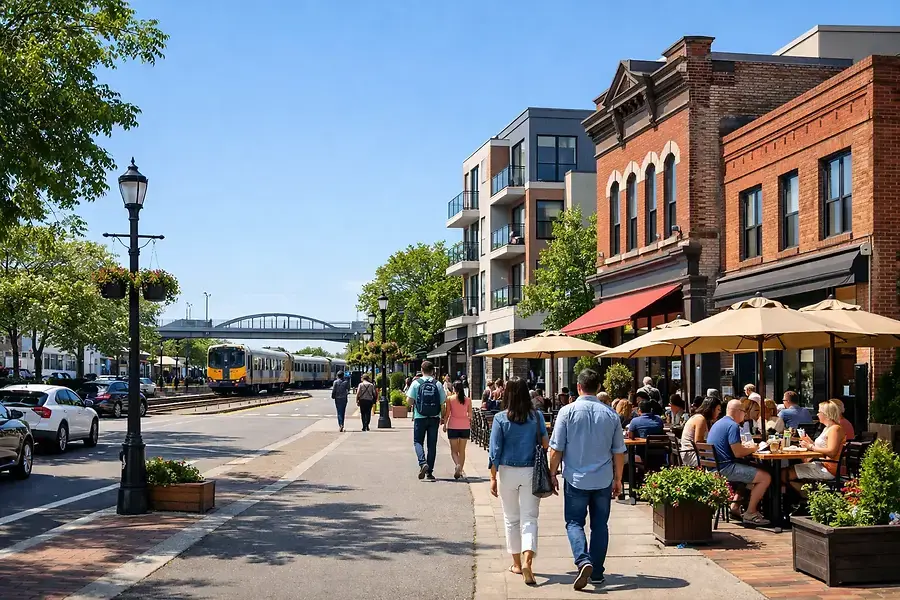
Several Long Island communities are experiencing significant revitalization efforts focused on their downtown areas. These neighborhoods are attracting young professionals, families, and empty-nesters seeking walkable, vibrant communities with local dining, shopping, and entertainment options. The investment in public spaces, improved transit connections, and mixed-use developments has transformed these areas from overlooked neighborhoods into desirable destinations.
Key indicators of growth in these corridors include:
- Increased foot traffic and new business openings in retail and hospitality sectors
- Rising property values as demand for walkable communities increases
- Improved infrastructure including enhanced parking, public transportation, and pedestrian amenities
- Community events and programming that foster neighborhood identity and attract residents
Suburban Communities with Strong School Systems
Families remain a primary driver of Long Island's residential real estate market, and emerging neighborhoods with improving or already-strong school systems are seeing increased demand. These communities offer the suburban lifestyle families desire while maintaining affordability compared to established premium neighborhoods. The combination of quality education, family-friendly amenities, and reasonable commute times to employment centers makes these areas particularly attractive.
Investment potential in these communities is bolstered by:
- Consistent buyer demand from families prioritizing education and community safety
- Stable property values supported by demographic trends favoring family-oriented neighborhoods
- New residential development bringing modern housing stock to the market
- Community investments in parks, recreation facilities, and public services
Transit-Oriented Development Zones
As environmental consciousness grows and commuting patterns evolve, neighborhoods with improved public transportation access are experiencing renewed interest. Long Island's expanding transit infrastructure is opening new possibilities for communities previously considered less desirable due to car-dependency. Properties near transit hubs are increasingly attractive to commuters seeking alternatives to driving and to younger demographics prioritizing walkability and reduced transportation costs.
These areas benefit from:
- Reduced transportation costs for residents, increasing affordability and quality of life
- Increased property values near transit stations and corridors
- Attraction of younger demographics seeking urban-suburban hybrid living
- Commercial development opportunities around transit nodes
Investment Potential: Comparing Appreciation and Buyer Demographics
Understanding Appreciation Trajectories
When evaluating emerging neighborhoods for investment, appreciation potential should be analyzed through multiple lenses. Properties in neighborhoods experiencing early-stage revitalization often show steady appreciation as infrastructure improves and buyer awareness increases. However, the rate of appreciation varies significantly based on neighborhood-specific factors.
High-potential neighborhoods typically demonstrate:
- Consistent year-over-year price increases outpacing broader market averages
- Increasing inventory turnover indicating strong buyer interest
- New construction and renovation activity signaling investor confidence
- Planned infrastructure improvements and community investments
Target Buyer Demographics
Understanding who is buying in emerging neighborhoods is crucial for investment success. Different neighborhoods attract different buyer profiles, each with distinct motivations and purchasing power. First-time homebuyers, young families, downsizers, and investors all play roles in emerging neighborhood markets.
First-time homebuyers are often drawn to emerging neighborhoods because of affordability and the opportunity to build equity in a growing market. Young families seek communities with good schools and family amenities at prices lower than established neighborhoods. Downsizers appreciate the walkability and community focus of revitalized downtown areas, while investors recognize the appreciation potential and rental demand in these neighborhoods.
Rental Market Opportunities
Beyond owner-occupied properties, emerging neighborhoods often present strong rental market opportunities. As neighborhoods gain popularity, rental demand increases from professionals, young families, and others seeking flexibility. Properties in emerging neighborhoods can generate solid rental income while appreciating in value, creating a dual-return investment strategy.
Smart investors recognize that emerging neighborhoods offer a unique window of opportunity—the chance to acquire properties at reasonable prices in communities poised for significant growth and increased desirability.
Conclusion: Positioning Yourself as the Local Market Expert
The Long Island real estate market continues to evolve, with emerging neighborhoods offering compelling investment opportunities for those who understand market dynamics and demographic trends. Success in this space requires more than simply identifying neighborhoods with potential—it demands deep knowledge of local market conditions, infrastructure plans, demographic shifts, and buyer preferences.
As a real estate professional, positioning yourself as an expert in emerging neighborhoods provides significant competitive advantages. Clients seeking investment opportunities increasingly look for agents who can identify undervalued properties in neighborhoods poised for growth. By developing specialized knowledge of Long Island's emerging areas, understanding their unique characteristics, and tracking their development trajectories, you establish yourself as a trusted advisor capable of guiding clients toward profitable investments.
The neighborhoods emerging across Long Island today represent the established, desirable communities of tomorrow. By understanding current market trends, appreciating demographic shifts, and recognizing infrastructure investments, you can help your clients capitalize on these opportunities and build wealth through strategic real estate investment.