Investment Opportunities in Phoenix Metro's Emerging Neighborhoods
Discover high-growth residential areas across Chandler, Mesa, Gilbert, and beyond where smart buyers are building long-term wealth.

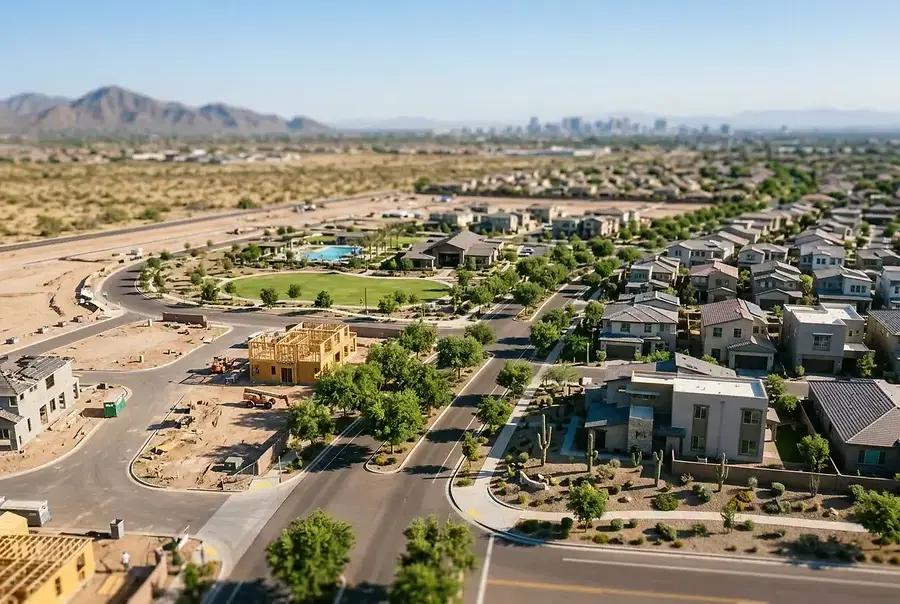
The Phoenix Metro Investment Landscape
The Phoenix metropolitan area has emerged as one of the nation's most dynamic real estate markets, attracting investors from across the country seeking strong returns and sustainable growth. Unlike saturated coastal markets, Phoenix offers affordable entry points combined with rapid population growth and economic diversification. The East Valley, in particular, has become a hotbed for savvy investors looking to capitalize on expanding residential demand and improving infrastructure.
What makes Phoenix Metro compelling for investors is the convergence of several favorable factors: population influx from other states, job creation in tech and healthcare sectors, affordable housing compared to national averages, and ongoing commercial development. These elements create a perfect storm for property appreciation and rental income potential.
High-Growth Neighborhoods Worth Watching Across the East Valley and Beyond
Chandler: The Tech Hub's Residential Expansion
Chandler has transformed from a small agricultural community into a thriving suburban center with major tech companies establishing operations nearby. The city's commitment to smart growth and master-planned communities makes it particularly attractive for investors.
- Downtown Chandler: Revitalization efforts have created a walkable urban core with mixed-use developments, attracting young professionals and families
- South Chandler: Newer master-planned communities offer modern amenities and strong appreciation potential
- Rental Market: High demand from tech workers and corporate relocations supports strong rental yields
Mesa: Affordability Meets Growth Potential
As Arizona's third-largest city, Mesa offers investors the rare combination of affordability and significant growth potential. The city's diverse economy and expanding job market make it an excellent choice for both buy-and-hold and fix-and-flip strategies.
- West Mesa: Proximity to Tempe and Phoenix creates strong demand for residential properties
- Downtown Mesa: Arts district revitalization is attracting younger demographics and driving property values
- Superstition Springs Area: Established neighborhoods with solid rental demand and family appeal
Gilbert: Premium Growth in the East Valley
Gilbert consistently ranks among America's best places to live, which translates directly into investment appeal. The town's excellent schools, low crime rates, and planned growth strategy create sustained demand.
- Master-Planned Communities: New developments offer modern homes with strong builder backing and HOA infrastructure
- Family-Oriented Demographics: Attracts relocating families seeking quality of life, supporting property values
- Commercial Growth: Expanding retail and office space supports residential demand
Beyond the Big Three: Emerging Opportunities
Tempe, Ahwatukee, and Queen Creek represent secondary opportunities with unique advantages:
- Tempe: University presence and downtown revitalization create diverse investment opportunities
- Ahwatukee: South Phoenix location with mountain views and master-planned community appeal
- Queen Creek: Rapidly expanding town with new master-planned communities and strong population growth
Evaluating ROI Potential and Future Development in Your Target Area
Key Metrics for Investment Analysis
Before committing capital, investors should evaluate several critical factors:
- Price-to-Rent Ratio: Compare property prices to annual rental income to assess cash flow potential
- Population Growth Trends: Areas experiencing 3-5% annual population growth typically show stronger appreciation
- Employment Centers: Proximity to major employers reduces vacancy risk and supports rental demand
- School District Quality: Top-rated schools drive family demand and property values
- Infrastructure Development: New roads, transit, and utilities indicate planned growth corridors
Understanding Future Development Plans
Smart investors research municipal development plans and zoning changes.
Properties positioned near planned commercial centers, transit corridors, or infrastructure improvements often experience outsized appreciation.
Contact city planning departments, review master plans, and monitor local news for announcements about:
- New commercial or industrial parks
- Highway expansions or new transit routes
- School expansions or new school construction
- Rezoning decisions affecting residential areas
Market Timing and Entry Strategy
While timing the market perfectly is impossible, investors can improve outcomes by:
- Buying in emerging phases: Properties in neighborhoods just beginning their growth cycle offer better appreciation potential
- Diversifying across neighborhoods: Spreading investments across multiple East Valley communities reduces risk
- Considering rental vs. resale: Some neighborhoods favor long-term rentals while others support quick appreciation
- Analyzing seasonal patterns: Phoenix real estate shows distinct seasonal trends affecting pricing and inventory
Conclusion: Taking Action in Today's Phoenix Metro Market
The Phoenix Metro area, particularly the East Valley communities of Chandler, Mesa, and Gilbert, presents compelling investment opportunities for those willing to do their homework. The combination of affordable entry prices, strong population growth, economic diversification, and ongoing development creates an environment where disciplined investors can build substantial wealth.
Success in this market requires: thorough research of specific neighborhoods, understanding local development plans, analyzing financial metrics carefully, and maintaining a long-term perspective. The investors who will thrive are those who move beyond surface-level assumptions and dig into the fundamentals driving each community's growth.
Whether you're seeking rental income, property appreciation, or both, Phoenix Metro's emerging neighborhoods offer pathways to achieve your investment goals. The question isn't whether opportunities exist—they clearly do. The question is whether you'll take action to capitalize on them.