Investment Opportunities in South Austin's Emerging Neighborhoods
Discover why Manchaca, Kyle, Buda, and San Marcos are attracting smart real estate investors looking for growth potential and strong returns.

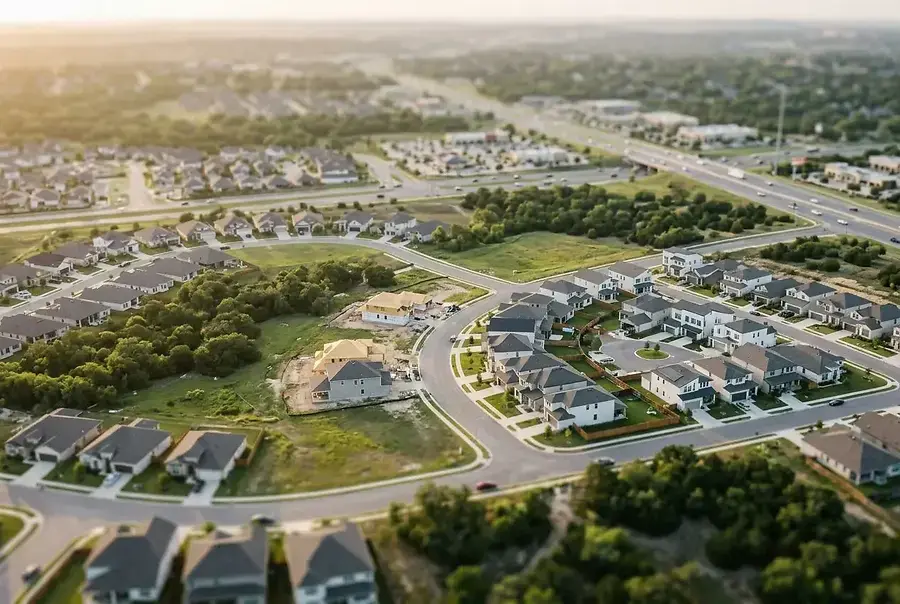
Why South Austin's Suburbs Are Attracting Investors: Market Growth and Demand Drivers
South Austin's suburban communities are experiencing unprecedented growth, driven by several compelling market forces. The region's population expansion, fueled by tech industry migration and remote work flexibility, has created strong demand for both residential and commercial properties. Unlike central Austin's saturated market, these emerging neighborhoods offer investors the rare combination of affordability and appreciation potential.
Infrastructure development plays a crucial role in this investment boom. New highway expansions, improved public transportation connections, and planned commercial developments are transforming these areas from quiet suburbs into thriving communities. Schools, shopping centers, and entertainment venues are rapidly expanding, making these neighborhoods increasingly attractive to families and young professionals.
The demographic shift toward South Austin is particularly significant. Younger generations and remote workers are seeking more affordable housing options while maintaining proximity to Austin's job centers. This creates a perfect storm of demand that translates directly into property appreciation and strong rental yields for forward-thinking investors.
Comparing Investment Potential: Manchaca, Kyle, Buda, and San Marcos Real Estate Markets
Manchaca: The Hidden Gem
Manchaca represents one of the most undervalued opportunities in the South Austin corridor. Located just south of central Austin, this community offers proximity to established neighborhoods while maintaining significantly lower property prices. The area is experiencing rapid residential development, with new subdivisions attracting families seeking affordable homeownership. Investors can expect strong appreciation as infrastructure improvements continue and the community matures.
Kyle: The Growth Engine
Kyle has emerged as the region's growth leader, with population increases outpacing most Texas communities. The city's strategic location along I-35 makes it ideal for both residential and commercial investment. New retail centers, office parks, and residential developments are continuously transforming the landscape. Kyle's business-friendly environment and competitive property prices make it particularly attractive for investors seeking long-term appreciation.
Buda: Balanced Growth and Stability
Buda offers a more established market with proven growth patterns. The community has successfully balanced rapid development with quality-of-life considerations, creating a stable investment environment. Property values here reflect the area's maturity while still offering solid appreciation potential. Buda's strong school system and family-friendly amenities support consistent rental demand and property values.
San Marcos: The College Town Advantage
San Marcos presents a unique investment opportunity centered around Texas State University. The student population creates reliable rental demand, particularly for multi-family properties and student housing. Beyond the university market, San Marcos is developing a robust commercial sector and attracting young professionals. The combination of student housing demand and broader community growth creates multiple investment angles for savvy investors.
Rental Income and Property Appreciation: What Investors Can Expect in This Corridor
The South Austin investment corridor offers compelling returns through both rental income and property appreciation. Rental yields in these communities typically range from 5-8% annually, significantly higher than many established Austin neighborhoods. This attractive income stream provides immediate cash flow while properties appreciate over time.
Property appreciation in this corridor has historically outpaced the broader Austin market. As these communities mature and infrastructure improves, investors who purchase today can expect substantial long-term gains. The combination of strong rental demand and limited housing supply creates a favorable environment for appreciation.
"Smart investors recognize that the best opportunities often exist in emerging markets before they reach mainstream awareness. South Austin's suburbs represent exactly this type of opportunity."
Multi-family properties and single-family rentals both perform well in this market. The diverse demographic profile—from students to families to remote workers—supports varied property types and investment strategies. Investors can choose between:
- Single-family rentals for stable, long-term income and appreciation
- Multi-family properties for higher cash flow and economies of scale
- Student housing in San Marcos for premium rental rates
- Commercial properties in high-growth areas like Kyle for diversification
Getting Started: How to Find and Evaluate Investment Properties in South-Central Texas
Research and Market Analysis
Begin by thoroughly researching each community's growth trends, demographic data, and infrastructure plans. Local government websites, development authority reports, and real estate market analyses provide valuable insights. Understanding zoning regulations and future development plans helps identify properties positioned for maximum appreciation.
Property Evaluation Criteria
When evaluating specific properties, consider these key factors:
- Location within the community—proximity to schools, shopping, and employment centers
- Property condition and age—newer properties often require less immediate maintenance
- Comparable sales data—ensure pricing aligns with market trends
- Rental market analysis—verify demand and potential income
- Future development plans—properties near planned improvements offer better appreciation potential
Working with Local Experts
Partner with real estate agents specializing in South Austin investment properties. These professionals understand local market nuances, upcoming developments, and investment opportunities that may not be widely advertised. Local property managers can provide insights into rental demand and property management costs, essential for calculating investment returns.
Financial Planning and Due Diligence
Conduct thorough financial analysis before committing capital. Calculate potential rental income, account for property taxes, insurance, maintenance, and vacancy rates. Conservative projections often prove more reliable than optimistic estimates. Ensure your investment aligns with your financial goals and risk tolerance.
South Austin's emerging neighborhoods represent a compelling investment opportunity for those willing to look beyond established markets. By understanding each community's unique characteristics and conducting thorough due diligence, investors can position themselves to benefit from the region's continued growth and development. The combination of affordable entry prices, strong rental demand, and significant appreciation potential makes this corridor an attractive choice for building long-term wealth through real estate investment.


