Investment Opportunities in South-Central PA's Emerging Neighborhoods
Discover undervalued residential markets in Lancaster, York, and surrounding towns poised for growth and strong returns.

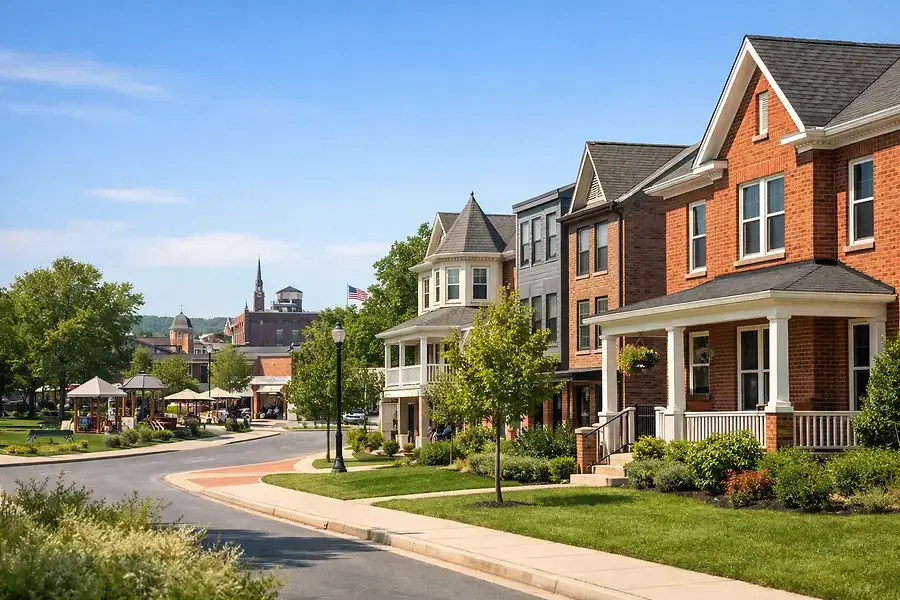
Why South-Central PA Neighborhoods Are Attracting Smart Investors
South-Central Pennsylvania has quietly become one of the most compelling investment destinations on the East Coast. While major metropolitan areas command premium prices, the neighborhoods surrounding Lancaster and York offer something increasingly rare: genuine value combined with genuine growth potential. Smart investors are recognizing that this region presents an exceptional window of opportunity before these markets reach saturation.
The region benefits from several converging factors. A strong manufacturing base, growing tech sector presence, and an influx of young professionals seeking affordable living have created ideal conditions for residential appreciation. Additionally, the area's proximity to major cities like Philadelphia and Baltimore makes it attractive for both primary residences and investment properties.
The fundamentals are simple: population growth, limited housing inventory, and rising demand create the perfect recipe for property appreciation.
High-Potential Areas: From Dover to Littlestown and Beyond
Lancaster County Opportunities
Lancaster remains the crown jewel of South-Central PA investment. The downtown revitalization efforts have transformed the city into a vibrant cultural hub, attracting restaurants, galleries, and young professionals. Surrounding neighborhoods offer more affordable entry points while still benefiting from the city's economic momentum.
- Downtown Lancaster: Historic properties with renovation potential and strong rental demand
- Fruitville Pike corridor: Commercial growth driving residential appreciation
- Surrounding townships: Family-friendly communities with excellent schools and lower price points
York County's Rising Star Status
York has emerged as an underrated gem. The city's revitalization initiatives, combined with affordable housing prices, make it an ideal market for value-focused investors. The downtown riverfront development is attracting new businesses and residents at an accelerating pace.
- Downtown York: Historic architecture meets modern amenities
- South George Street: Emerging neighborhood with strong rental potential
- Suburban townships: Growing communities with family appeal
Beyond the Major Cities
Don't overlook smaller towns like Dover, Littlestown, and Ephrata. These communities offer:
- Lower acquisition costs with comparable appreciation potential
- Strong community infrastructure and local support systems
- Growing remote work populations seeking affordable, quality-of-life communities
- Excellent rental markets driven by young families and professionals
Key Metrics for Evaluating Residential Investment Properties
Essential Numbers to Track
Before committing capital, successful investors analyze specific metrics that predict property performance:
Price-to-Rent Ratio: South-Central PA neighborhoods typically offer ratios between 12-18, compared to 20+ in saturated markets. This means stronger cash flow potential for rental properties.
Year-Over-Year Appreciation: Look for neighborhoods showing 3-5% annual appreciation. This indicates healthy, sustainable growth rather than speculative bubbles.
Vacancy Rates: Target areas with vacancy rates below 5%. This indicates strong demand and rental stability.
Population Growth Trends: Communities experiencing 2-3% annual population growth are ideal. This drives long-term demand for housing.
Local Economic Indicators
Examine employment growth, business development, and infrastructure investments. Key indicators include:
- New business openings and expansions
- Commercial development projects
- School quality ratings and enrollment trends
- Public infrastructure improvements
- Median income growth in the area
"The best investment opportunities exist where fundamentals are strong but perception hasn't caught up yet. South-Central PA is exactly that market right now."
Getting Started: Your Action Plan for Building a Residential Portfolio
Step 1: Research and Market Selection
Begin by identifying 3-5 neighborhoods that align with your investment criteria. Spend time in these communities. Walk the streets, talk to residents, and visit local businesses. This ground-level research is invaluable.
Step 2: Build Your Team
Assemble experienced professionals who understand the local market:
- A knowledgeable real estate agent with local expertise
- A property inspector familiar with regional construction standards
- An accountant experienced with investment property taxation
- A real estate attorney for contract review
Step 3: Analyze Deal Fundamentals
For each potential property, calculate:
- Cash-on-cash return
- Cap rate
- Projected appreciation over 5-10 years
- Rental income potential
- Repair and maintenance costs
Step 4: Start Small and Scale
Your first property doesn't need to be perfect. It needs to meet your financial criteria and be in a growth-oriented neighborhood. Use the experience and equity from your first investment to build momentum for subsequent acquisitions.
Step 5: Monitor and Adapt
Real estate investing is dynamic. Stay informed about neighborhood developments, market trends, and economic indicators. Be prepared to adjust your strategy as conditions evolve.
The Bottom Line
South-Central Pennsylvania's emerging neighborhoods represent a rare convergence of affordability, growth potential, and strong fundamentals. Whether you're a first-time investor or an experienced portfolio builder, the region offers compelling opportunities for building wealth through residential real estate.
The window of opportunity won't remain open indefinitely. As more investors recognize the region's potential, prices will rise and competition will intensify. The time to act is now, while values remain reasonable and selection is abundant.
Start your research today, build your team, and position yourself to capitalize on one of the East Coast's most undervalued real estate markets.


