Investment Opportunities in South Florida's Mixed-Use Properties
Discover how residential and commercial hybrid developments are reshaping the real estate landscape across Palm Beach County.

The Rise of Mixed-Use Development in South Florida
South Florida's real estate market is experiencing a transformative shift. Gone are the days when investors focused exclusively on single-use properties—whether purely residential apartments or standalone commercial office spaces. Today, mixed-use developments are becoming the cornerstone of modern urban planning and investment strategy across the region.
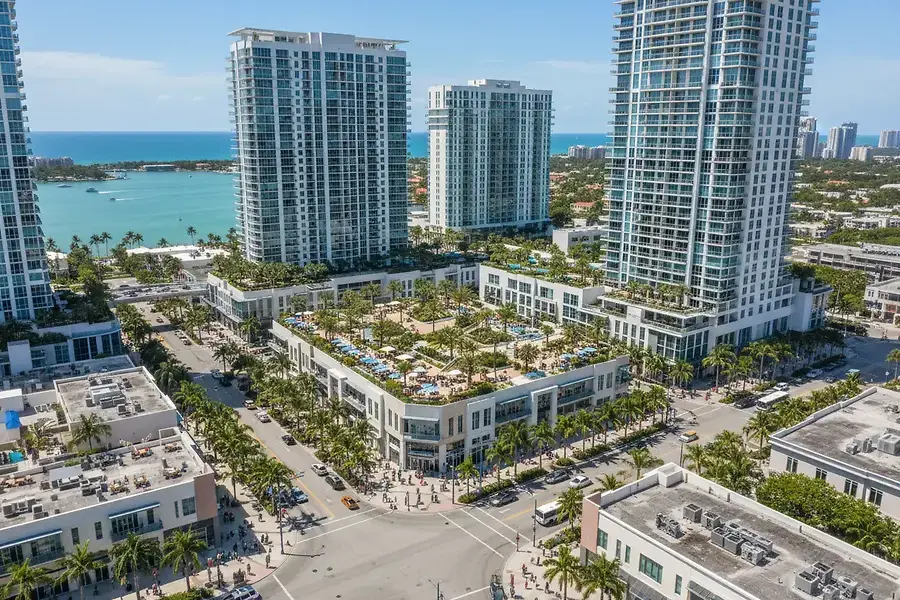
Mixed-use properties combine residential units, retail spaces, restaurants, offices, and entertainment venues under one roof or within a cohesive development. This integrated approach creates vibrant communities where people can live, work, and play without leaving the neighborhood. From West Palm Beach's bustling downtown to Fort Lauderdale's waterfront districts, these hybrid developments are reshaping how South Floridians experience urban living.
The demand for mixed-use properties reflects broader lifestyle changes. Millennials and Gen Z professionals increasingly prefer walkable neighborhoods with diverse amenities. Families seek convenience and community. Remote workers want flexibility in their living and working spaces. Mixed-use developments satisfy all these preferences simultaneously, making them attractive to both residents and investors.
Why Investors Are Choosing Residential/Commercial Properties Over Single-Use Assets
Diversified Revenue Streams
The primary advantage of mixed-use properties is revenue diversification. Rather than relying on a single tenant base or market segment, investors generate income from multiple sources:
- Residential rental income from apartments or condominiums
- Retail lease payments from ground-floor shops and restaurants
- Office space rentals for professional services
- Parking revenue and amenity fees
This multi-pronged approach significantly reduces risk. If the residential market softens, strong commercial performance can offset losses. Conversely, residential strength can compensate for retail challenges.
Higher Occupancy Rates and Tenant Retention
Mixed-use properties typically maintain higher occupancy rates than single-use buildings. The integrated nature of these developments creates a self-sustaining ecosystem. Residents shop at ground-floor retailers, dine at on-site restaurants, and work in nearby offices. This interconnectedness reduces vacancy rates and increases tenant loyalty.
When residents can fulfill most daily needs within their development, they're more likely to stay long-term. This stability translates to predictable cash flow and lower turnover costs for property managers.
Increased Property Values and Appreciation
Mixed-use developments command premium valuations in South Florida's competitive market. The scarcity of well-executed hybrid projects combined with strong demand creates significant appreciation potential. Properties that successfully blend residential comfort with commercial convenience appreciate faster than comparable single-use assets.
Additionally, these developments often benefit from urban revitalization initiatives and infrastructure improvements, further boosting property values over time.
Resilience During Economic Cycles
Economic downturns affect different real estate sectors differently. Mixed-use properties provide natural hedging against market volatility. During recessions, residential demand may remain stable while commercial leasing weakens—or vice versa. This balance helps investors weather economic uncertainty more effectively than those invested solely in one sector.
Top Mixed-Use Markets from West Palm Beach to Fort Lauderdale
West Palm Beach Downtown District
West Palm Beach's downtown core has emerged as a premier mixed-use destination. The Clematis Street corridor and surrounding blocks feature award-winning developments combining luxury residences with high-end retail, dining, and entertainment. The city's commitment to walkability and urban revitalization has attracted major developers and institutional investors.
Properties in this area benefit from strong population growth, limited developable land, and consistent demand from both residents and businesses seeking downtown locations.
Fort Lauderdale Waterfront and Las Olas Boulevard
Fort Lauderdale's waterfront properties represent some of South Florida's most valuable mixed-use real estate. Las Olas Boulevard and surrounding neighborhoods combine luxury residential towers with world-class dining, shopping, and entertainment. The proximity to the beach, yachting culture, and international commerce makes this area exceptionally attractive to affluent investors and residents.
Waterfront mixed-use developments command premium prices due to limited supply and exceptional lifestyle amenities.
Boca Raton's Town Center Evolution
Boca Raton continues to evolve as a mixed-use destination. Developments in the downtown and town center areas blend upscale residential options with premium retail and dining experiences. The city's affluent demographic and strong purchasing power support both residential and commercial components of hybrid developments.
Deerfield Beach and Pompano Beach Revitalization
Emerging mixed-use opportunities exist in Deerfield Beach and Pompano Beach, where waterfront revitalization projects are creating new investment potential. These areas offer lower entry points than established markets while benefiting from similar lifestyle amenities and growth trajectories.
Palm Beach Gardens and Northern Corridor
The northern Palm Beach County corridor, including Palm Beach Gardens, features growing mixed-use developments targeting affluent suburban residents. These properties combine residential comfort with convenient retail and office spaces, appealing to families and professionals seeking suburban living with urban conveniences.
Conclusion: Positioning Yourself in South Florida's Hybrid Real Estate Market
South Florida's mixed-use real estate market presents compelling investment opportunities for those who understand the dynamics. The convergence of residential demand, commercial growth, and lifestyle preferences creates an ideal environment for hybrid developments.
Key takeaways for investors:
- Mixed-use properties offer diversified revenue streams and reduced risk compared to single-use assets
- South Florida's demographic trends strongly favor integrated, walkable communities
- Limited supply of quality mixed-use developments supports strong appreciation potential
- Multiple markets from West Palm Beach to Pompano Beach offer varying entry points and risk profiles
- Economic resilience through revenue diversification provides stability during market cycles
Whether you're an experienced real estate investor or exploring your first major property acquisition, South Florida's mixed-use market deserves serious consideration. The region's continued population growth, strong economic fundamentals, and lifestyle preferences suggest that hybrid developments will remain a cornerstone of the real estate landscape for years to come.
The question isn't whether to invest in mixed-use properties, but rather where and when to make your move in this dynamic and rewarding market.


