Investment Potential in Santa Cruz County Residential Properties
Discover why Watsonville, Capitola, and surrounding communities offer strong returns for savvy residential real estate investors.

Understanding the Residential Market Fundamentals in Santa Cruz County
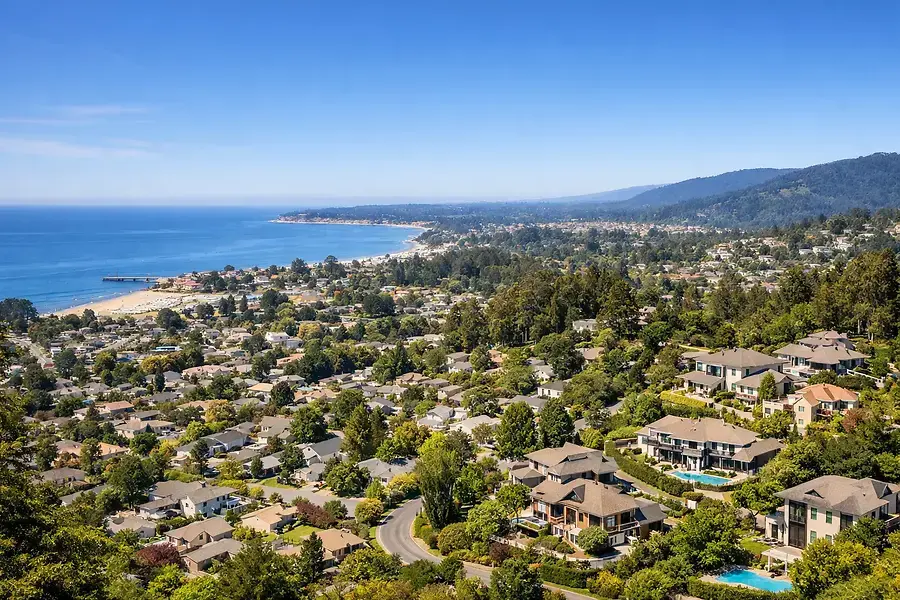
Santa Cruz County has emerged as one of California's most dynamic residential real estate markets, offering investors a unique blend of coastal charm, economic stability, and consistent appreciation. The region's proximity to Silicon Valley, combined with its quality of life and natural beauty, creates a compelling investment thesis for residential properties.
The county's residential market is characterized by steady demand driven by multiple factors: remote work flexibility, excellent schools, outdoor recreation opportunities, and a vibrant community culture. Unlike more volatile markets, Santa Cruz County demonstrates resilience through economic cycles, with property values supported by both owner-occupants and investors seeking long-term wealth building.
Market Dynamics and Growth Drivers
Several key factors support residential property appreciation in Santa Cruz County:
- Limited housing inventory relative to demand creates natural price appreciation pressure
- Regional employment growth in tech, agriculture, and service industries supports buyer demand
- Quality of life factors attract families and professionals seeking alternatives to crowded urban centers
- Rental market strength provides consistent cash flow for investor-owned properties
The residential market fundamentals remain exceptionally strong, with properties in well-selected communities offering both appreciation potential and reliable rental income.
Key Investment Opportunities Across Watsonville, Capitola, Scotts Valley, and Corralitos
Watsonville: The Value Play
Watsonville represents an excellent entry point for investors seeking value with growth potential. This agricultural hub is experiencing revitalization, with downtown improvements and new commercial development attracting younger demographics. Properties here offer lower entry prices compared to coastal communities while maintaining strong rental demand from agricultural workers and young professionals.
The community's agricultural heritage, combined with growing tech industry spillover from nearby areas, positions Watsonville for sustained appreciation. Investors can expect solid rental yields while building equity through long-term property appreciation.
Capitola: Premium Coastal Appeal
Capitola offers a different investment profile—premium properties in a highly desirable coastal community. While entry prices are higher, the village's unique character, excellent schools, and strong tourism economy create exceptional rental income potential, particularly for vacation rentals and long-term leases.
Properties in Capitola appeal to affluent buyers and renters, supporting higher rents and property values. The limited supply of coastal properties ensures continued demand and appreciation potential for well-maintained residential investments.
Scotts Valley: Tech Corridor Advantage
Positioned between Silicon Valley and the coast, Scotts Valley benefits from proximity to major tech employers. This community attracts high-income professionals seeking suburban living with easy commute access. The strong buyer pool and limited inventory create favorable conditions for residential investors.
Properties in Scotts Valley command premium rents due to tenant quality and income levels, translating to excellent cash flow and appreciation potential.
Corralitos: Emerging Opportunity
Corralitos represents an emerging investment opportunity for forward-thinking investors. This rural community is experiencing gradual development while maintaining its character. Early investors can capture appreciation as infrastructure improves and the community grows, with significantly lower entry prices than established communities.
Evaluating Property Performance and Long-Term Growth Potential
Key Metrics for Investment Analysis
When evaluating residential properties in Santa Cruz County, focus on these critical metrics:
- Cap Rate: Calculate net operating income divided by property price to assess cash flow returns
- Cash-on-Cash Return: Measure annual cash flow against your initial investment
- Price-to-Rent Ratio: Compare property prices to annual rental income to identify undervalued opportunities
- Appreciation Potential: Research neighborhood trends, development plans, and demographic shifts
- Tenant Demand: Analyze rental market strength and tenant quality in target areas
Long-Term Growth Considerations
Santa Cruz County's long-term growth potential is supported by structural market advantages. Limited developable land constrains supply growth, while consistent demand from the region's economic base ensures sustained appreciation. Properties purchased today position investors to benefit from decades of compound appreciation.
Smart investors recognize that Santa Cruz County's combination of limited supply, strong demand, and quality of life creates a powerful formula for long-term wealth building through residential real estate.
Historical data demonstrates that well-selected residential properties in Santa Cruz County communities have appreciated significantly over 10, 20, and 30-year periods, outpacing inflation and providing substantial wealth accumulation.
Strategic Steps to Build Your Residential Investment Portfolio
Step 1: Define Your Investment Strategy
Determine whether you're seeking cash flow-focused investments (rental properties with strong monthly income) or appreciation-focused investments (properties in emerging areas with growth potential). Your strategy should align with your financial goals, risk tolerance, and available capital.
Step 2: Research and Identify Target Properties
Conduct thorough market research in your chosen communities. Analyze comparable sales, rental rates, vacancy rates, and neighborhood trends. Work with local real estate professionals who understand Santa Cruz County's unique market dynamics and can identify opportunities before they become widely known.
Step 3: Perform Detailed Financial Analysis
Calculate all relevant metrics for potential properties, including acquisition costs, financing expenses, property taxes, insurance, maintenance reserves, and vacancy allowances. Ensure projected returns meet your investment criteria and provide adequate margin for error.
Step 4: Secure Appropriate Financing
Explore financing options including conventional mortgages, portfolio loans, and investment property-specific programs. Favorable financing terms significantly impact your overall returns, so shop multiple lenders and negotiate aggressively.
Step 5: Build Your Team
Assemble experienced professionals: a knowledgeable real estate agent, property manager, accountant, and attorney. This team ensures smooth acquisitions, effective property management, and optimized tax strategies.
Step 6: Execute and Monitor
Once you've acquired properties, maintain them professionally, manage tenants effectively, and monitor market conditions. Regular portfolio reviews ensure your investments remain aligned with your goals and allow you to capitalize on new opportunities as they emerge.
Building a successful residential investment portfolio in Santa Cruz County requires patience, research, and strategic execution. By focusing on fundamentally sound properties in growing communities, investors can build substantial wealth while contributing to the region's housing supply.