Investment Property Guide: Buying Residential Real Estate in Roaring Fork Valley
Discover how to identify high-return residential rental properties across Aspen, Snowmass, and surrounding mountain communities.

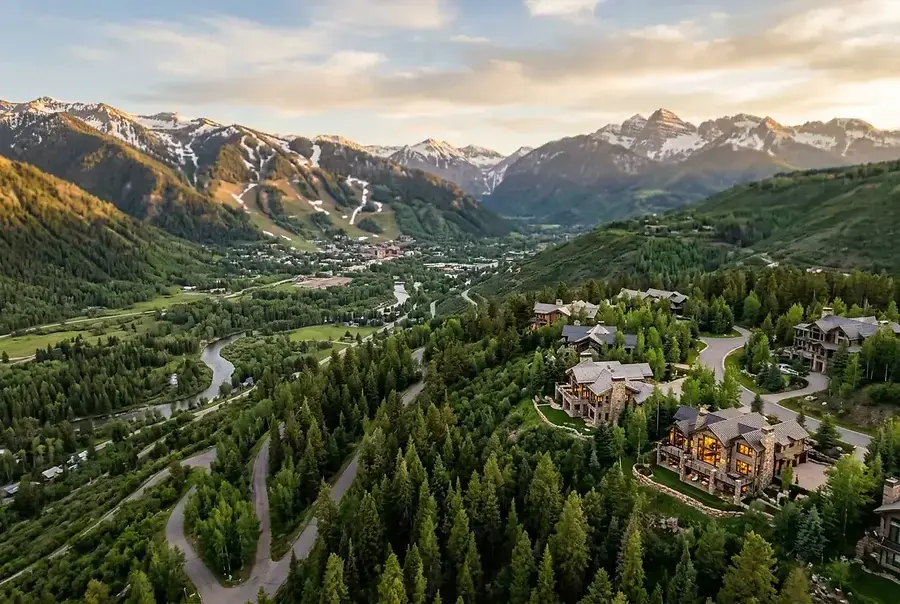
Understanding the Investment Landscape: Market Trends and Opportunities in Eight Valley Communities
The Roaring Fork Valley has emerged as one of Colorado's most dynamic real estate markets, offering exceptional opportunities for residential property investors. Spanning eight distinct communities—including the prestigious Aspen and Snowmass—this region combines luxury appeal with strong rental demand and consistent appreciation potential.
The valley's investment landscape is shaped by several compelling factors. Seasonal tourism drives consistent rental income during winter ski season and summer recreation months, while year-round residents create stable long-term rental opportunities. The region's limited housing inventory relative to demand creates natural price appreciation, making it an attractive hedge against inflation.
Key Market Drivers
- Tourism and Recreation: World-class skiing, hiking, and outdoor activities attract visitors year-round, supporting vacation rental markets
- Population Growth: Remote work flexibility has increased permanent residency in mountain communities
- Limited Supply: Zoning restrictions and environmental protections limit new construction, supporting property values
- Wealth Migration: High-net-worth individuals continue relocating to the valley, strengthening demand
Understanding these dynamics helps investors identify which communities and property types offer the best returns for their investment timeline and risk tolerance.
Evaluating Properties: Key Metrics for Residential Rental Income and Appreciation Potential
Successful property investment requires rigorous evaluation beyond emotional appeal. The Roaring Fork Valley's diverse communities demand different analytical approaches, but several universal metrics guide smart investment decisions.
Essential Financial Metrics
Cap Rate (Capitalization Rate) represents your annual return on investment. Calculate this by dividing annual net operating income by property purchase price. In the Roaring Fork Valley, residential properties typically yield 4-7% cap rates, depending on location and property type.
Cash-on-Cash Return measures actual cash flow relative to your down payment. This metric proves especially important for investors using leverage, as it shows real annual returns on your invested capital rather than total property value.
Price-to-Rent Ratio indicates whether a property is overvalued or undervalued. Divide the property price by annual rental income. Lower ratios suggest better value, though mountain properties often command premium ratios due to appreciation potential and lifestyle factors.
Location and Amenity Considerations
- Proximity to ski resorts and outdoor recreation areas
- Access to quality schools and community services
- Walkability and neighborhood character
- Rental history and seasonal demand patterns
- Property condition and required maintenance investments
Pro tip: Properties within walking distance of Aspen's downtown or Snowmass Village command premium rental rates, but require higher initial investment. Secondary communities offer better cap rates with slightly lower appreciation potential.
Financing and Legal Considerations: Navigating Investment Property Purchases in Colorado Mountain Towns
Mountain real estate financing differs significantly from standard residential mortgages. Lenders view investment properties more conservatively, requiring larger down payments and charging higher interest rates than primary residence mortgages.
Financing Options for Mountain Properties
Conventional Investment Mortgages typically require 20-25% down payments and consider rental income in debt-to-income calculations. Many lenders specialize in mountain communities and understand seasonal income patterns, offering more favorable terms than national banks.
Portfolio Loans allow experienced investors to leverage multiple properties, using combined portfolio strength rather than individual property metrics. These loans work well for investors building substantial holdings across the valley.
Cash Purchases eliminate financing complexity and make offers more competitive in this competitive market. However, they reduce leverage benefits and may not optimize overall portfolio returns.
Critical Legal Considerations
- HOA Regulations: Many valley properties fall under homeowners associations with strict rental restrictions. Review CC&Rs carefully before purchasing
- Short-Term Rental Licenses: Aspen and other communities require specific permits for vacation rentals. Verify availability and compliance requirements
- Property Tax Assessment: Investment properties receive different tax treatment than primary residences. Understand Colorado's assessment methodology
- Environmental Restrictions: Wetlands, avalanche zones, and other environmental factors may limit development or use
Working with a local real estate attorney familiar with Roaring Fork Valley regulations is essential. The cost of legal guidance pales compared to costly mistakes from unfamiliar regulations.
Building Your Portfolio: Long-Term Strategies for Success in the Roaring Fork Valley Real Estate Market
Successful investors approach the Roaring Fork Valley with long-term vision, recognizing that mountain real estate rewards patience and strategic planning.
Portfolio Diversification Across Communities
Rather than concentrating investments in premium locations like Aspen, consider spreading capital across the valley's eight communities. Aspen and Snowmass offer strong appreciation and premium rental rates but require substantial capital. Secondary communities like Basalt, Carbondale, and Glenwood Springs provide better cash flow and entry points for building wealth.
Strategic Acquisition Timing
Market cycles in mountain real estate typically span 5-7 years. Investors who purchase during softer markets and hold through appreciation cycles build substantial wealth. Avoid chasing short-term trends; instead, focus on properties with strong fundamentals that will perform across market cycles.
Operational Excellence
- Professional Management: Hire experienced property managers familiar with seasonal rental markets and mountain community regulations
- Maintenance Investment: Mountain properties require rigorous maintenance. Budget 8-10% of rental income for upkeep
- Guest Experience: For vacation rentals, invest in quality furnishings and amenities that justify premium nightly rates
- Tax Optimization: Work with accountants experienced in investment real estate to maximize deductions and structure holdings efficiently
Exit Strategy and Long-Term Vision
Develop clear investment objectives before purchasing. Are you building long-term rental income, seeking appreciation, or planning eventual sale? Your strategy should align with your financial goals and risk tolerance. Many successful investors hold properties for 10+ years, allowing appreciation and mortgage paydown to build substantial equity.
The Roaring Fork Valley offers genuine wealth-building opportunities for investors willing to conduct thorough due diligence and commit to long-term strategies. By understanding market dynamics, evaluating properties rigorously, navigating financing and legal requirements carefully, and building diversified portfolios strategically, you can achieve strong returns while participating in one of Colorado's most desirable communities.