Investment Property Guide for South Carolina's Grand Strand Region
Discover the best residential investment opportunities across Myrtle Beach, Conway, North Myrtle Beach, and surrounding coastal communities.

Understanding the Grand Strand Real Estate Market
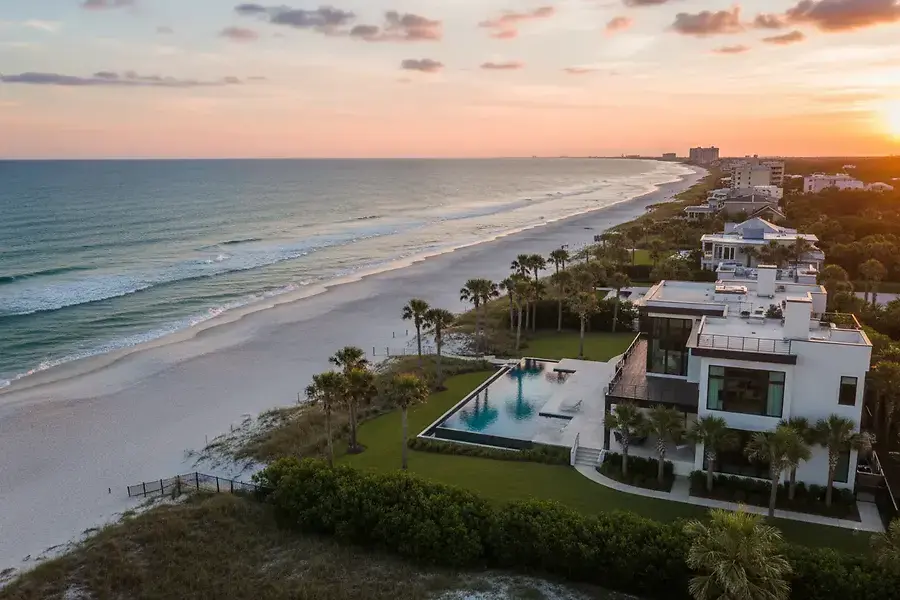
The Grand Strand region, stretching along South Carolina's picturesque coastline, has emerged as one of the most dynamic real estate markets in the Southeast. This area encompasses Myrtle Beach, North Myrtle Beach, Conway, and numerous surrounding communities that attract millions of visitors annually, creating exceptional opportunities for savvy property investors.
Market Growth and Demand Drivers
The region's real estate market is fueled by several compelling factors. Tourism remains a cornerstone of the local economy, with beachfront and near-beach properties commanding premium rental rates. Additionally, the area has experienced significant population growth from retirees and remote workers seeking affordable coastal living combined with modern amenities.
Key demand drivers include:
- Year-round tourism – Consistent visitor traffic supports vacation rental income streams
- Affordable pricing – Compared to other coastal markets, Grand Strand properties offer excellent value
- Population migration – Retirees and young professionals continue relocating to the area
- Infrastructure development – Ongoing improvements enhance property values and accessibility
Neighborhood Variations and Investment Potential
Each community within the Grand Strand offers distinct investment characteristics. Myrtle Beach remains the tourism hub with strong vacation rental potential, while Conway appeals to investors seeking residential stability and appreciation. North Myrtle Beach combines both elements, offering beachfront luxury alongside family-oriented neighborhoods.
Evaluating Investment Properties in High-Growth Areas
Location Analysis and Proximity Factors
Successful property investment begins with strategic location selection. Properties within walking distance of beaches, entertainment districts, or shopping centers typically command higher rental rates and attract quality tenants. Proximity to major highways and the airport also influences property values and tenant desirability.
Consider these location metrics:
- Distance to major attractions and amenities
- Traffic patterns and accessibility
- Neighborhood development trends
- School district quality (for family rentals)
- Future infrastructure projects in the pipeline
Property Condition and Renovation Potential
Assessing property condition is critical for calculating true investment returns. Some investors find success purchasing undervalued properties requiring cosmetic updates, while others prefer move-in ready units. Conduct thorough inspections to identify potential issues with foundations, roofing, plumbing, and electrical systems.
Evaluate renovation costs carefully. A property requiring $20,000 in updates might generate significantly higher rental income than a comparable property in original condition. However, ensure renovation expenses don't exceed the potential income increase.
Rental Income Potential and Market Rates
Research comparable rental properties in your target area to establish realistic income projections. Vacation rental properties typically command higher nightly rates but involve more management responsibilities. Long-term residential rentals offer stability with lower vacancy rates but generate modest monthly income.
The Grand Strand market supports both rental models effectively. Beachfront and near-beach properties excel as vacation rentals, while inland residential properties attract long-term tenants seeking affordable housing.
Financial Planning and ROI Considerations for Coastal Properties
Calculating Return on Investment
Effective ROI analysis requires accounting for all expenses associated with property ownership. Beyond mortgage payments, investors must budget for property taxes, insurance, maintenance, utilities, property management fees, and potential vacancy periods.
A comprehensive ROI calculation includes:
- Gross rental income – Total annual rental revenue
- Operating expenses – Taxes, insurance, maintenance, management fees
- Debt service – Mortgage payments and interest
- Capital appreciation – Property value growth over time
- Tax benefits – Depreciation deductions and expense write-offs
Financing Options and Loan Considerations
Investment property financing differs from primary residence mortgages. Lenders typically require larger down payments (20-25%) and charge higher interest rates for investment properties. However, multiple financing options exist, including conventional loans, portfolio loans, and specialized investment property programs.
Working with a lender experienced in investment properties ensures you understand all available options and secure favorable terms.
Risk Management and Insurance
Coastal properties require specialized insurance considerations. Standard homeowner policies don't cover rental properties, and beachfront locations may require additional flood or hurricane coverage. Budget 10-15% of rental income for comprehensive insurance protection.
Additionally, consider liability protection through proper business structuring. Many investors establish LLCs or other entities to protect personal assets from potential lawsuits related to rental properties.
Taking Action: Next Steps to Secure Your Investment
Building Your Investment Team
Successful property investment requires assembling qualified professionals. Your team should include a real estate agent familiar with investment properties, a property inspector, a tax professional, and potentially a property manager. These experts provide invaluable guidance throughout the investment process.
Conducting Due Diligence
Before committing capital, thoroughly investigate potential properties and markets. Review property records, analyze comparable sales, assess neighborhood trends, and understand local regulations affecting rental properties. Many municipalities have specific rules regarding vacation rentals, occupancy limits, and licensing requirements.
Developing Your Investment Strategy
Define clear investment objectives before beginning your search. Are you seeking immediate cash flow or long-term appreciation? Do you prefer hands-on management or passive investment? Will you focus on vacation rentals or long-term residential tenants? Your answers guide property selection and financial planning.
The Grand Strand region offers diverse opportunities for various investment strategies. Whether you're seeking steady rental income or property appreciation in a growing market, this coastal area provides compelling options for building wealth through real estate investment.
Moving Forward
Begin by researching available properties in your target communities and connecting with local real estate professionals. Attend open houses, analyze market data, and evaluate properties against your investment criteria. With careful planning and strategic selection, Grand Strand properties can become valuable additions to your investment portfolio.