Investment Property Opportunities in Flint Region Communities
Discover which neighborhoods offer the best rental income potential and property appreciation for residential investors.

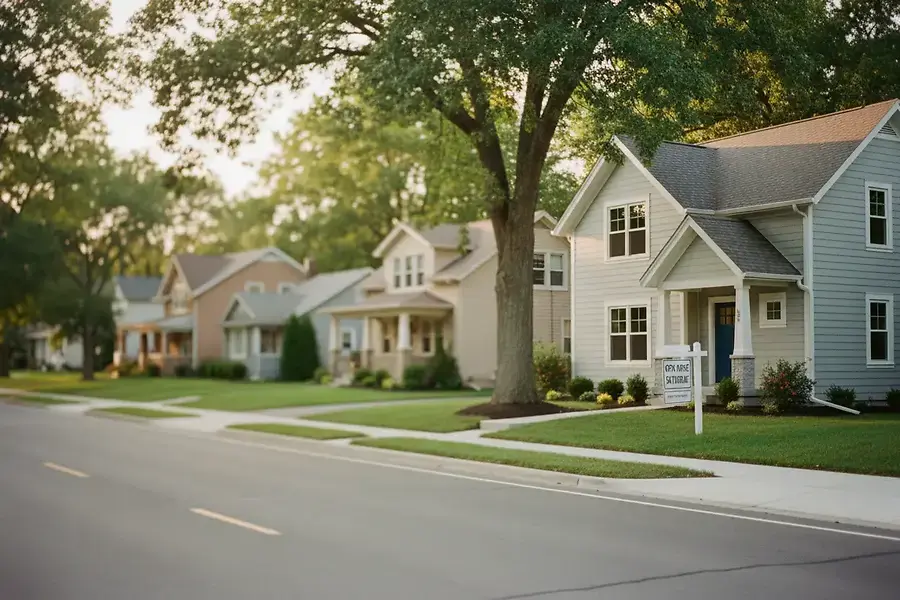
Understanding the Flint Region Residential Investment Market
The Flint region has emerged as an increasingly attractive market for residential property investors seeking strong returns and sustainable growth. With a combination of affordable entry prices, growing demand for rental properties, and community revitalization efforts, the area presents compelling opportunities for both novice and experienced investors.
The market dynamics in Flint have shifted significantly in recent years. Population stabilization, improved employment prospects, and strategic urban development initiatives have created a foundation for property value appreciation. Unlike many overheated markets, Flint offers investors the chance to acquire quality properties at reasonable prices while positioning themselves for long-term gains.
Market Fundamentals and Investment Drivers
Several key factors are driving investment interest in the Flint region:
- Affordable Property Prices: Entry costs remain significantly lower than national averages, allowing investors to build larger portfolios with the same capital.
- Strong Rental Demand: Growing populations in select neighborhoods have increased demand for quality rental properties.
- Community Investment: Local and state initiatives focused on neighborhood revitalization are improving infrastructure and property values.
- Diverse Tenant Base: Young professionals, families, and students create multiple rental market segments.
High-Demand Neighborhoods for Rental Properties and Value Growth
Not all neighborhoods in the Flint region offer equal investment potential. Successful investors focus on areas with demonstrated growth trajectories and strong rental fundamentals.
Emerging Growth Corridors
Several neighborhoods have established themselves as premier investment destinations. These areas combine affordable acquisition costs with improving amenities and rising demand. Properties in these corridors typically experience faster appreciation and attract quality tenants willing to pay competitive rents.
Key characteristics of high-demand neighborhoods include:
- Proximity to employment centers and educational institutions
- Access to public transportation and major roadways
- Presence of local businesses, restaurants, and entertainment venues
- Active community organizations and neighborhood improvement initiatives
- Schools with improving performance metrics
Rental Income Potential by Area
Neighborhoods targeting young professionals and families typically command higher rents relative to property acquisition costs. The rent-to-price ratio—a critical metric for investors—remains favorable in select Flint region communities. This means investors can achieve positive cash flow more quickly while building equity through appreciation.
"The best investment opportunities exist where property prices haven't yet fully reflected the neighborhood's improving fundamentals. Flint's emerging neighborhoods offer exactly this dynamic."
Evaluating Property Conditions and Cash Flow Potential in Target Areas
Successful property investment requires thorough evaluation of individual assets and their income-generating potential.
Property Assessment Strategies
Before committing capital, investors should conduct comprehensive evaluations:
- Physical Inspection: Professional home inspections identify necessary repairs and long-term maintenance costs.
- Comparable Market Analysis: Understanding recent sales prices and rental rates in the neighborhood establishes realistic expectations.
- Tenant Demand Analysis: Research local rental market conditions and tenant demographics to project occupancy rates.
- Cost-Benefit Analysis: Calculate renovation costs against potential rent increases and property appreciation.
Cash Flow Projections and ROI Calculations
Positive cash flow—the difference between rental income and operating expenses—is essential for sustainable investment returns. Investors should account for mortgage payments, property taxes, insurance, maintenance, vacancy periods, and property management fees.
A well-selected property in a growth neighborhood can generate 6-10% annual returns through combined cash flow and appreciation. This performance significantly exceeds many alternative investments while building long-term wealth through real estate equity.
Risk Mitigation Through Due Diligence
Understanding neighborhood trends and property-specific factors helps investors avoid costly mistakes. Market research, tenant screening processes, and adequate insurance coverage form the foundation of risk management in residential property investment.
Building a Successful Investment Strategy as a Local Expert
Developing a coherent investment strategy aligned with personal financial goals separates successful investors from those who struggle with inconsistent returns.
Strategic Planning Framework
Effective investors approach the Flint market with clear objectives:
- Define Investment Goals: Determine whether you're seeking immediate cash flow, long-term appreciation, or a balanced approach.
- Establish Financial Parameters: Set budgets for acquisition, renovation, and operating reserves.
- Identify Target Properties: Focus on neighborhoods and property types that align with your strategy and expertise.
- Build a Support Network: Develop relationships with local contractors, property managers, and real estate professionals.
Leveraging Local Knowledge
Investors who develop deep understanding of Flint region neighborhoods gain significant competitive advantages. Local expertise enables better property selection, more accurate financial projections, and stronger tenant relationships. Building connections within the community provides access to off-market deals and valuable insights about emerging opportunities.
Portfolio Growth and Scaling
Successful investors often expand their portfolios strategically over time. Initial properties generate cash flow that funds subsequent acquisitions, creating compounding returns. The Flint region's affordable pricing structure makes portfolio scaling more achievable than in higher-cost markets.
As your portfolio grows, consider professional property management to streamline operations and allow focus on acquisition and strategic planning. This approach enables investors to manage multiple properties efficiently while maintaining quality tenant relationships and property maintenance standards.
Staying Informed and Adaptive
Market conditions evolve, and successful investors remain informed about neighborhood trends, economic indicators, and regulatory changes. Regular market analysis, participation in local real estate groups, and ongoing education ensure your strategy remains effective and competitive.
The Flint region presents genuine opportunities for residential property investors willing to conduct thorough research and develop sound strategies. By understanding market fundamentals, identifying high-potential neighborhoods, evaluating properties carefully, and building comprehensive investment plans, investors can achieve strong returns while contributing to community revitalization. The combination of affordable entry prices, growing demand, and improving fundamentals makes this an opportune time to explore investment possibilities in Flint region communities.