Investment Property Success Across Utah's Suburban Real Estate Markets
Discover the top residential and commercial opportunities across Murray, Salt Lake City, Sandy, and surrounding communities.

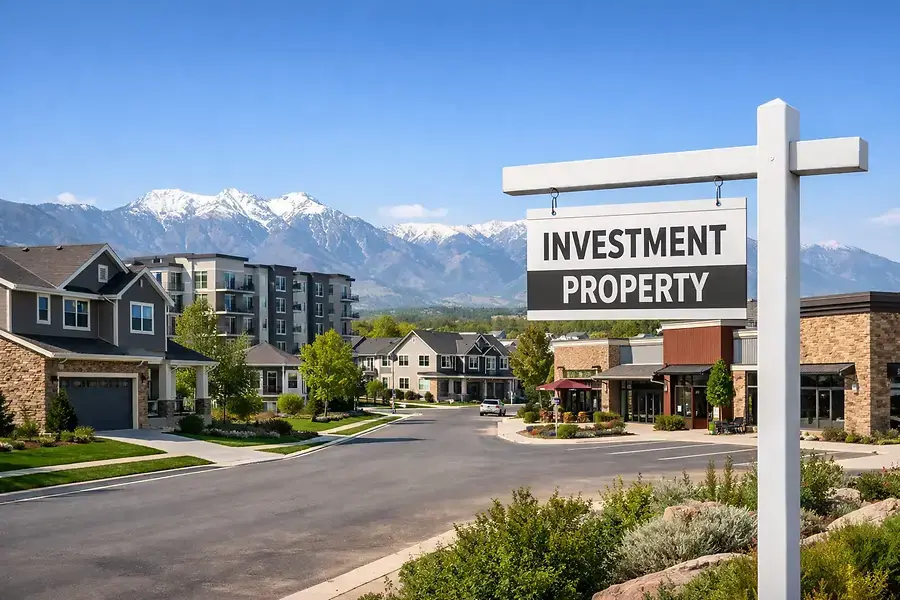
Understanding Utah's Suburban Real Estate Market Dynamics
Utah's suburban real estate market has experienced remarkable growth over the past several years, driven by population migration, economic expansion, and favorable business conditions. The state's suburban communities offer unique advantages for property investors seeking stable returns and long-term appreciation potential.
The market dynamics in Utah's suburbs are shaped by several key factors:
- Population Growth: Utah consistently ranks among the fastest-growing states in the nation, with families and young professionals relocating to suburban areas for affordable housing and quality of life.
- Economic Diversification: Beyond traditional industries, tech companies and startups are establishing operations throughout the region, creating employment opportunities and increasing property demand.
- Infrastructure Development: Ongoing investments in transportation, utilities, and public services enhance property values and investor confidence.
- Favorable Regulatory Environment: Utah's business-friendly policies and reasonable tax structures make it attractive for both residential and commercial investments.
Understanding these dynamics is essential for investors looking to capitalize on emerging opportunities in communities like Murray, Salt Lake City, Sandy, and surrounding areas.
Identifying High-Potential Investment Areas: From Davis County to Tooele
Davis County Opportunities
Davis County represents one of Utah's most promising investment regions. Communities such as Layton, Farmington, and Kaysville have experienced significant appreciation due to their proximity to major employment centers and excellent schools. The area's family-friendly atmosphere and growing commercial corridors make it ideal for both residential rentals and commercial development.
Salt Lake City Metropolitan Area
The greater Salt Lake City region continues to attract investors seeking diverse opportunities. Neighborhoods in and around Salt Lake City offer a mix of established properties with strong rental histories and emerging areas with significant upside potential. The city's robust job market and cultural amenities support consistent demand for rental properties.
Sandy and South Valley Communities
Sandy and surrounding south valley communities have emerged as hotspots for suburban investment. These areas offer:
- Affordable entry points compared to central Salt Lake City
- Strong population growth and demographic trends
- Developing commercial corridors with retail and office opportunities
- Excellent schools and family-oriented amenities
Tooele County Expansion
Tooele County represents a frontier for forward-thinking investors. While slightly further from the Wasatch Front, the region offers significantly lower property costs and emerging development potential. Strategic investors who identify growth corridors early can position themselves for substantial long-term appreciation.
Evaluating Property Types and Returns in Residential vs. Commercial Sectors
Residential Investment Properties
Single-Family Rentals: These properties provide steady cash flow and appeal to long-term investors. Utah's growing population ensures consistent tenant demand, particularly in family-oriented suburbs. Returns typically range from 5-8% annually when accounting for appreciation and rental income.
Multi-Family Properties: Apartment complexes and duplex investments offer higher cash flow potential and economies of scale. The strong rental market in Utah's suburbs supports competitive rental rates and lower vacancy rates compared to national averages.
Key Residential Metrics:
- Cap rates typically range from 4-7% depending on location and property condition
- Appreciation rates have averaged 4-6% annually in most suburban markets
- Rental demand remains strong due to population growth and limited housing supply
Commercial Investment Properties
Retail Properties: Shopping centers and standalone retail spaces in high-traffic suburban corridors offer excellent income potential. The growth of suburban communities creates demand for convenient shopping and dining options.
Office Space: With remote work trends stabilizing, Class B and Class C office properties in suburban locations offer attractive opportunities. Lower rents than downtown locations attract small to mid-sized businesses.
Industrial and Warehouse: E-commerce growth has driven demand for warehouse and distribution facilities. Utah's central location and transportation infrastructure make it an attractive hub for logistics operations.
Commercial Investment Advantages:
- Longer lease terms provide income stability
- Tenant responsibility for maintenance reduces owner expenses
- Cap rates typically range from 5-9% depending on property class and location
- Strong demand from businesses relocating to Utah
Making Your Move: Strategic Steps to Capitalize on Local Opportunities
Step 1: Conduct Thorough Market Research
Before investing, analyze specific neighborhoods and submarkets. Study demographic trends, employment growth, school ratings, and infrastructure development plans. Knowledge is your most valuable asset in real estate investing.
Step 2: Build Your Investment Team
Assemble experienced professionals including:
- A knowledgeable real estate agent familiar with investment properties
- A qualified accountant experienced in real estate taxation
- An attorney specializing in real estate transactions
- A property manager for ongoing operations
Step 3: Evaluate Financing Options
Explore various financing strategies including conventional mortgages, FHA loans, and portfolio loans. Utah's strong banking sector offers competitive rates and favorable terms for qualified investors. Consider your cash flow requirements and long-term investment goals when selecting financing.
Step 4: Analyze Property-Specific Metrics
For each potential investment, calculate:
- Cap Rate: Net Operating Income divided by purchase price
- Cash-on-Cash Return: Annual cash flow divided by initial investment
- Price-to-Rent Ratio: Purchase price divided by annual rental income
- Appreciation Potential: Historical trends and future growth projections
Step 5: Diversify Your Portfolio
Consider balancing residential and commercial properties across different submarkets. Diversification reduces risk and provides multiple income streams.
The most successful investors understand that strategic diversification is key to long-term wealth building.
Step 6: Plan for Long-Term Management
Establish systems for tenant screening, maintenance, accounting, and legal compliance. Whether managing properties yourself or hiring a professional manager, clear processes ensure consistent returns and minimize headaches.
Conclusion
Utah's suburban real estate markets present compelling opportunities for investors willing to conduct thorough research and develop strategic plans. From Davis County's family-friendly communities to Tooele's emerging opportunities, the region offers diverse options for various investment styles and risk tolerances. By understanding market dynamics, identifying high-potential areas, evaluating property types, and following a systematic approach, investors can position themselves for success in Utah's thriving real estate landscape.


