Jacksonville Home Inspection Essentials: What Buyers Need to Know
Master the critical inspection process to protect your investment and avoid costly surprises when purchasing residential property in Jacksonville.

Understanding the Home Inspection Process
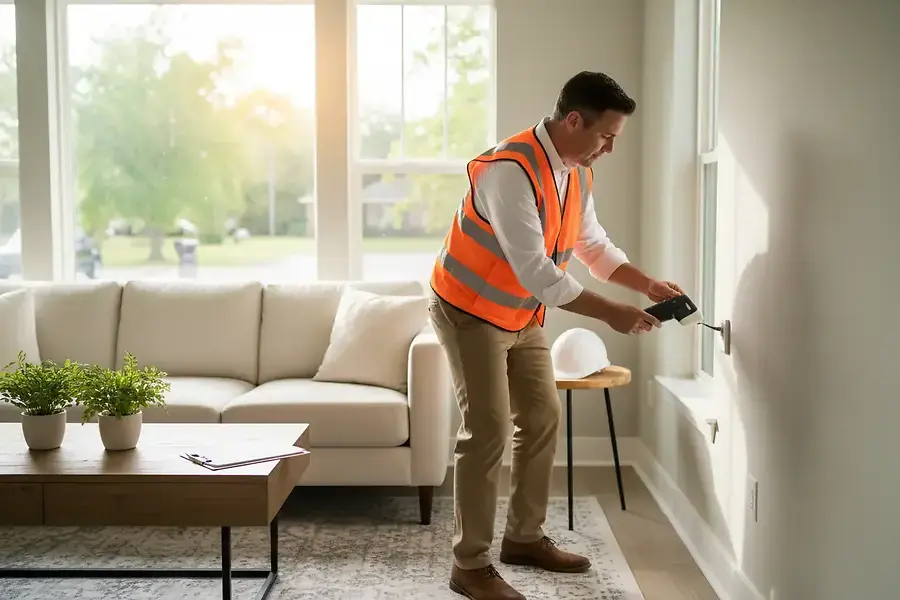
A home inspection is one of the most critical steps in the homebuying process. It's a comprehensive evaluation of a property's physical structure and systems, conducted by a licensed professional inspector. In Jacksonville, this process typically takes 2-3 hours and provides you with detailed information about the condition of your potential investment.
During the inspection, you have the right to be present and ask questions. This is your opportunity to learn about the property firsthand and understand any concerns the inspector identifies. The inspector will examine both the interior and exterior of the home, checking everything from the foundation to the roof.
Why is this important? A thorough inspection can reveal hidden problems that could cost thousands of dollars to repair. By identifying these issues early, you can negotiate repairs, request credits, or make an informed decision about whether to proceed with the purchase.
Key Areas Inspectors Evaluate in Jacksonville Homes
Structural Components
Inspectors carefully examine the foundation, walls, and overall structural integrity of the home. In Jacksonville's climate, foundation issues can develop due to soil composition and moisture levels. Look for cracks, settling, or signs of water damage that could indicate structural problems.
Roofing and Exterior
The roof is one of the most expensive components to replace. Inspectors assess the roof's age, condition, and remaining lifespan. They also evaluate:
- Shingles or tile condition
- Flashing and gutters
- Siding and exterior walls
- Windows and doors
- Drainage systems
Plumbing Systems
Water damage is a common concern in Jacksonville homes. Inspectors test water pressure, check for leaks, examine pipes, and evaluate the water heater. They'll identify any signs of corrosion, outdated materials, or potential issues that could lead to costly repairs.
Electrical Systems
A safe electrical system is essential. Inspectors verify that the electrical panel is properly sized, check for outdated wiring, test outlets, and ensure the system meets current safety codes. Older homes may have aluminum wiring or insufficient grounding, which are important to identify.
HVAC Systems
Jacksonville's heat and humidity make air conditioning systems critical. Inspectors evaluate the age and condition of your heating and cooling systems, checking for proper operation and maintenance needs. A failing AC unit can be an expensive replacement.
Interior Components
Inspectors also examine:
- Insulation and ventilation
- Ceilings, walls, and floors
- Doors and windows functionality
- Kitchen and bathroom fixtures
- Appliances (if included in the sale)
Red Flags and How to Interpret Inspection Reports
Understanding the Report Format
Inspection reports typically categorize findings into three levels: major issues, minor issues, and maintenance recommendations. Major issues require immediate attention and can significantly impact your decision. Minor issues are less urgent but should still be addressed. Maintenance recommendations are suggestions for upkeep.
Critical Red Flags to Watch For
Foundation Problems: Cracks, bowing walls, or water intrusion in the basement are serious concerns that require professional evaluation and can be costly to repair.
Roof Issues: If the roof is near the end of its lifespan or shows significant damage, budget for replacement within the next few years. This is typically a $10,000+ expense.
Water Damage and Mold: Jacksonville's humidity makes moisture issues common. Look for signs of water damage, mold, or inadequate drainage that could lead to health and structural problems.
Electrical Hazards: Outdated wiring, improper grounding, or overloaded circuits are safety concerns that need immediate attention.
Plumbing Issues: Corroded pipes, leaks, or inadequate water pressure can indicate expensive repairs ahead.
HVAC System Failure: An aging or non-functional air conditioning system in Jacksonville is a significant issue given the climate.
Asking the Right Questions
When you receive your inspection report, don't hesitate to ask your inspector for clarification. Request specific details about:
- The age and expected lifespan of major systems
- Estimated repair costs for identified issues
- Whether problems are safety concerns or cosmetic
- Recommendations for further evaluation by specialists
Next Steps After Receiving Your Inspection Report
Review and Analyze
Take time to thoroughly review the inspection report. Discuss findings with your real estate agent and consider getting a second opinion on major issues. Some problems may be negotiable, while others might be deal-breakers.
Request Repairs or Credits
Based on the inspection findings, you can request that the seller make repairs before closing or provide credits to cover repair costs. Your agent can help negotiate these requests. Sellers may agree to some requests but not others, so prioritize the most critical issues.
Hire Specialists if Needed
For significant concerns, consider hiring specialists such as structural engineers, mold inspectors, or electricians for detailed evaluations. This additional investment can provide peace of mind and accurate repair estimates.
Make Your Final Decision
Use the inspection report to make an informed decision about your purchase. If major issues are identified and the seller won't address them, you may choose to walk away from the deal. Remember, this inspection protects your investment and your family's safety.
Final Thought: A home inspection is not meant to be a deal-killer—it's a tool to help you understand what you're buying. Armed with this knowledge, you can move forward with confidence in your Jacksonville home purchase.


