Jacksonville Home Inspections: Essential Buyer Protection Guide
Discover the critical inspection points that protect your investment and prevent costly surprises in Jacksonville's residential market.

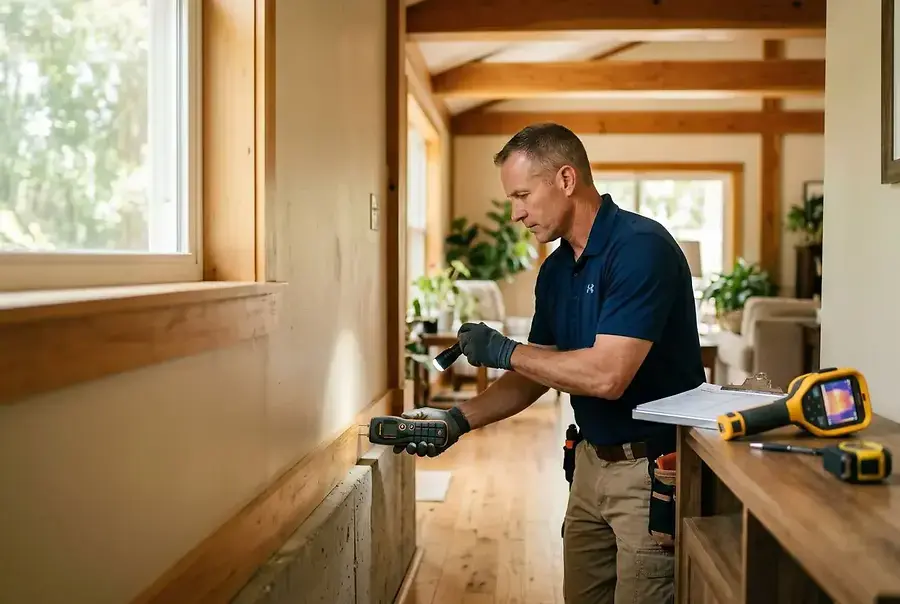
Understanding the Home Inspection Process in Jacksonville
A home inspection is one of the most important steps in the homebuying process, serving as your professional evaluation of a property's condition before you commit to a purchase. In Jacksonville's competitive real estate market, understanding what this process entails can save you thousands of dollars in unexpected repairs and provide peace of mind about your investment.
During a typical home inspection, a licensed professional will spend 2-4 hours thoroughly examining the property's structure, systems, and components. The inspector will document their findings in a detailed report that becomes your roadmap for negotiating with sellers and planning future maintenance. This process is particularly valuable in Jacksonville, where the climate and environmental factors can impact homes differently than other regions.
What to Expect During Your Inspection
Most home inspectors will provide you with a comprehensive walkthrough of the property, explaining what they're examining as they go. You're encouraged to accompany the inspector and ask questions about any concerns. The inspection typically covers:
- Structural integrity and foundation
- Roofing and exterior conditions
- HVAC systems and ventilation
- Plumbing and water systems
- Electrical systems and safety
- Interior components and appliances
- Pest and moisture damage assessment
The inspector will note items that are functioning properly as well as those requiring attention, creating a balanced picture of the home's overall condition.
Key Areas Inspectors Examine and Red Flags to Watch For
Foundation and Structural Concerns
Jacksonville's sandy soil and proximity to water make foundation issues a critical concern. Inspectors will look for cracks in the foundation, signs of settling, and water intrusion. Major red flags include large diagonal cracks, bowing walls, or evidence of previous foundation repairs without proper documentation.
Roof and Weather Protection
Given Jacksonville's exposure to hurricanes and heavy rainfall, roof condition is paramount. Inspectors examine shingles, flashing, gutters, and the overall structural integrity. Watch for missing shingles, deteriorated flashing, sagging areas, or roofs nearing the end of their lifespan. A roof replacement can cost $8,000-$15,000 or more, making this a critical assessment area.
Water Damage and Moisture Issues
Florida's humid climate creates ideal conditions for mold and water damage. Inspectors will check for:
- Visible mold or mildew in attics, basements, and crawl spaces
- Water stains on ceilings and walls
- Soft or deteriorating wood
- Inadequate drainage around the foundation
- Signs of previous flooding or water intrusion
Any evidence of mold or significant water damage should trigger further investigation by a specialist.
HVAC and Electrical Systems
In Jacksonville's warm climate, air conditioning systems work overtime. Inspectors will assess the age, condition, and efficiency of HVAC units. Electrical systems are examined for outdated wiring, improper installations, and safety hazards. Outdated Federal Pacific or Zinsco electrical panels are particular concerns that may require replacement.
Plumbing and Water Quality
Inspectors test water pressure, check for leaks, and examine the condition of pipes. Older homes may have galvanized or polybutylene pipes that are prone to failure. Replacing plumbing can be expensive, so understanding the age and condition of your water system is essential.
How to Interpret Your Inspection Report and Negotiate Repairs
Understanding the Report Structure
Inspection reports typically categorize findings into three levels: items that need immediate attention, items that should be addressed soon, and items for future consideration. Focus your negotiation efforts on safety issues and major systems that require significant investment.
Prioritizing Issues for Negotiation
Not every finding requires negotiation. Consider these priorities:
- Safety hazards: Electrical issues, structural problems, or mold
- Major systems: Roof, HVAC, plumbing, and foundation
- Code violations: Items that don't meet current building codes
- Cosmetic issues: Usually not worth negotiating unless extensive
Negotiation Strategies
You have several options when the inspection reveals problems. You can request the seller make repairs before closing, ask for a credit to handle repairs yourself, or renegotiate the purchase price. Get repair estimates from licensed contractors to support your negotiation position with concrete numbers.
Remember: The inspection is a tool for informed decision-making, not necessarily a deal-breaker. Many homes have minor issues that are normal for their age and condition.
Moving Forward: Using Inspection Results to Make Confident Offers
Making Your Final Decision
After reviewing the inspection report and negotiating any necessary repairs, you're in a position to make a confident decision about your purchase. Consider the overall condition of the home, the cost of addressing identified issues, and whether the property still represents good value at the negotiated price.
Planning for Future Maintenance
The inspection report serves as a valuable maintenance guide for years to come. Items noted as "monitor" or "address in the future" should be tracked and budgeted for. Create a maintenance schedule based on the inspector's recommendations to prevent small issues from becoming major problems.
Building Your Home Maintenance Fund
Use the inspection findings to establish a realistic home maintenance budget. Set aside funds for anticipated repairs and replacements, particularly for major systems like roofing, HVAC, and plumbing. This proactive approach prevents financial surprises and keeps your Jacksonville home in excellent condition.
A thorough home inspection is an investment in your peace of mind and financial security. By understanding the inspection process, knowing what to look for, and using the results strategically, you're protecting one of your most significant investments while making a confident decision about your Jacksonville home purchase.


